
Understanding Surgical Hair Restoration Recovery
Surgical hair restoration recovery is a gradual healing process that unfolds over 12-18 months, requiring patience and careful aftercare. Here’s what you need to know:
Key Recovery Milestones:
- Days 1-7: Donor area heals with tiny red holes; grafts begin to settle
- Weeks 2-4: “Shock loss” occurs (temporary shedding is normal)
- Months 3-4: First new hair growth appears, thin and fine
- Months 6-9: Rapid growth phase begins; hair thickens noticeably
- Months 12-18: Final results visible with full density and styling possible
Since 2016, surgical hair restoration procedures have increased by more than 16% worldwide. These procedures involve removing individual hair follicles from a donor area (typically the back of your head) and implanting them to thinning or balding regions. Each extraction creates tiny incisions no more than a millimeter wide, making some methods minimally invasive compared to older strip methods.
But recovery takes time. The surgery itself lasts 4-8 hours, but the surgically implanted hair will shed within weeks, then slowly regrow over many months. Most patients can return to work within 1-2 days, though many choose to take a full week off. Patients must avoid strenuous exercise, protect their scalp from sun exposure, and follow strict washing protocols during the critical first weeks.
The good news for those who choose surgery is that once the surgically implanted follicles settle in, they’re permanent. The challenge is the waiting period and the careful aftercare required to protect the investment.
At Aura Health & Spa in Plymouth, Michigan, we understand that a lengthy surgical recovery isn’t right for everyone. That’s why our Medical Director oversees advanced non-surgical hair restoration treatments like the FolixMD fractional laser and De|Rive Ultra Plus, which deliver results with virtually no downtime. I’m Dr. Reema Sethi, and with over 15 years of experience in emergency medicine, I’ve developed a deep understanding of healing processes. I now apply this expertise to help clients make informed decisions about their hair restoration journey, whether they are considering surgery elsewhere or are interested in our advanced non-surgical alternatives. This guide will help you understand what to expect from surgical recovery and how it compares to faster, non-invasive options.
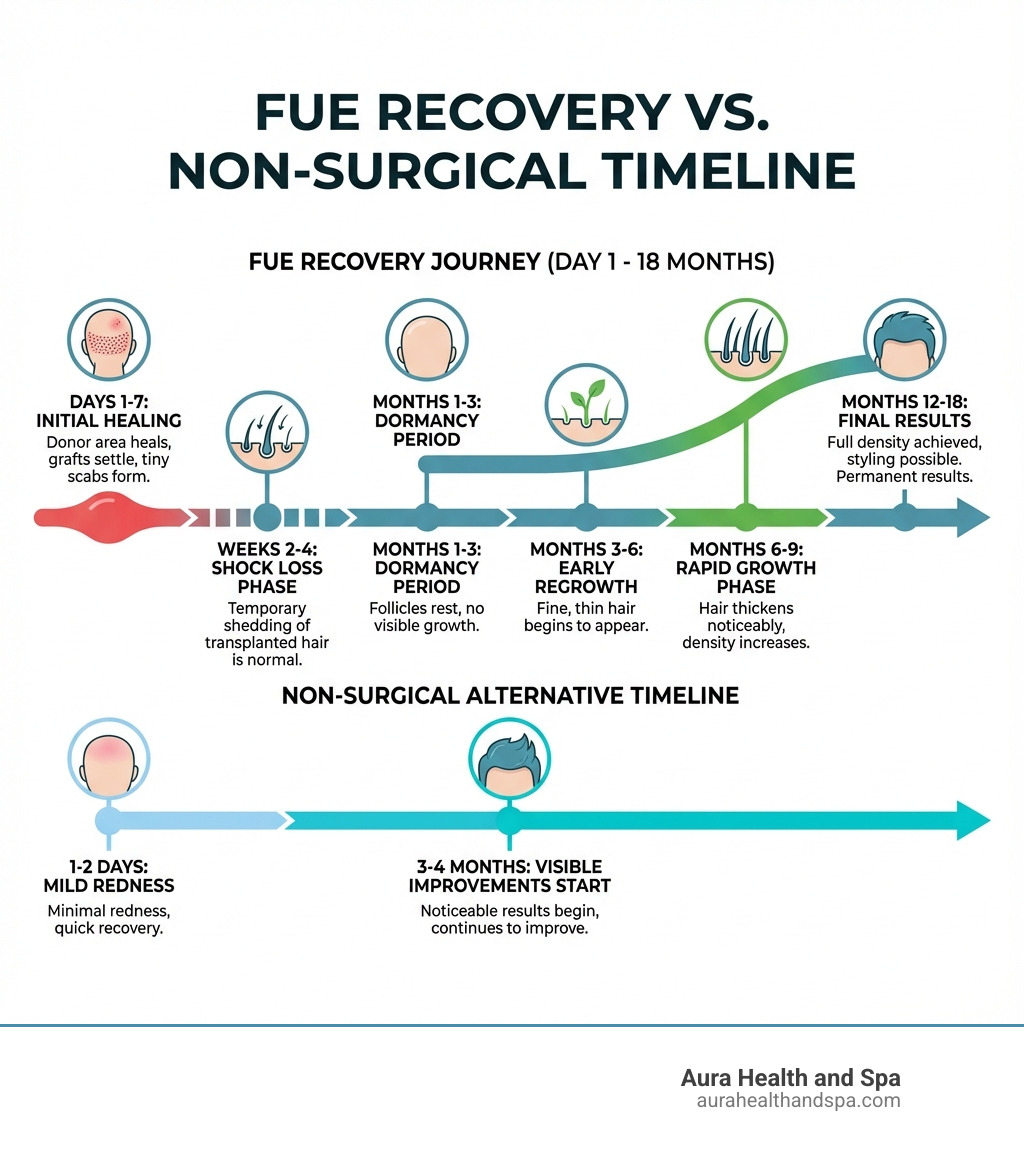
Simple guide to surgical hair restoration recovery:
The Surgical Hair Restoration Recovery Timeline: What to Expect After Surgery
Starting on a surgical hair restoration journey is an exciting step towards regaining confidence, but understanding the surgical hair restoration recovery timeline is paramount. It’s a marathon, not a sprint, with each stage playing a crucial role in the final outcome. While the procedure itself can be minimally invasive, the healing process is gradual, marked by distinct milestones in both the donor and recipient areas. Knowing what to expect day-by-day and month-by-month helps set realistic expectations and ensures patients follow all necessary aftercare protocols for the best possible results.
The First Week: Immediate Post-Op Care and Healing
The immediate aftermath of a surgical procedure sets the stage for the entire surgical hair restoration recovery. Right after surgery, patients will notice some changes in their scalp, but these are normal parts of the healing process.
What to Expect:
- Swelling: It’s common to experience swelling, particularly on the forehead and around the eyes. This usually peaks around day 4 and then gradually subsides. Surgical teams often emphasize that elevating the head while sleeping, using 3-4 pillows or a neck pillow, can significantly help manage this in the first 3-5 days. Applying a cold compress can also provide relief.
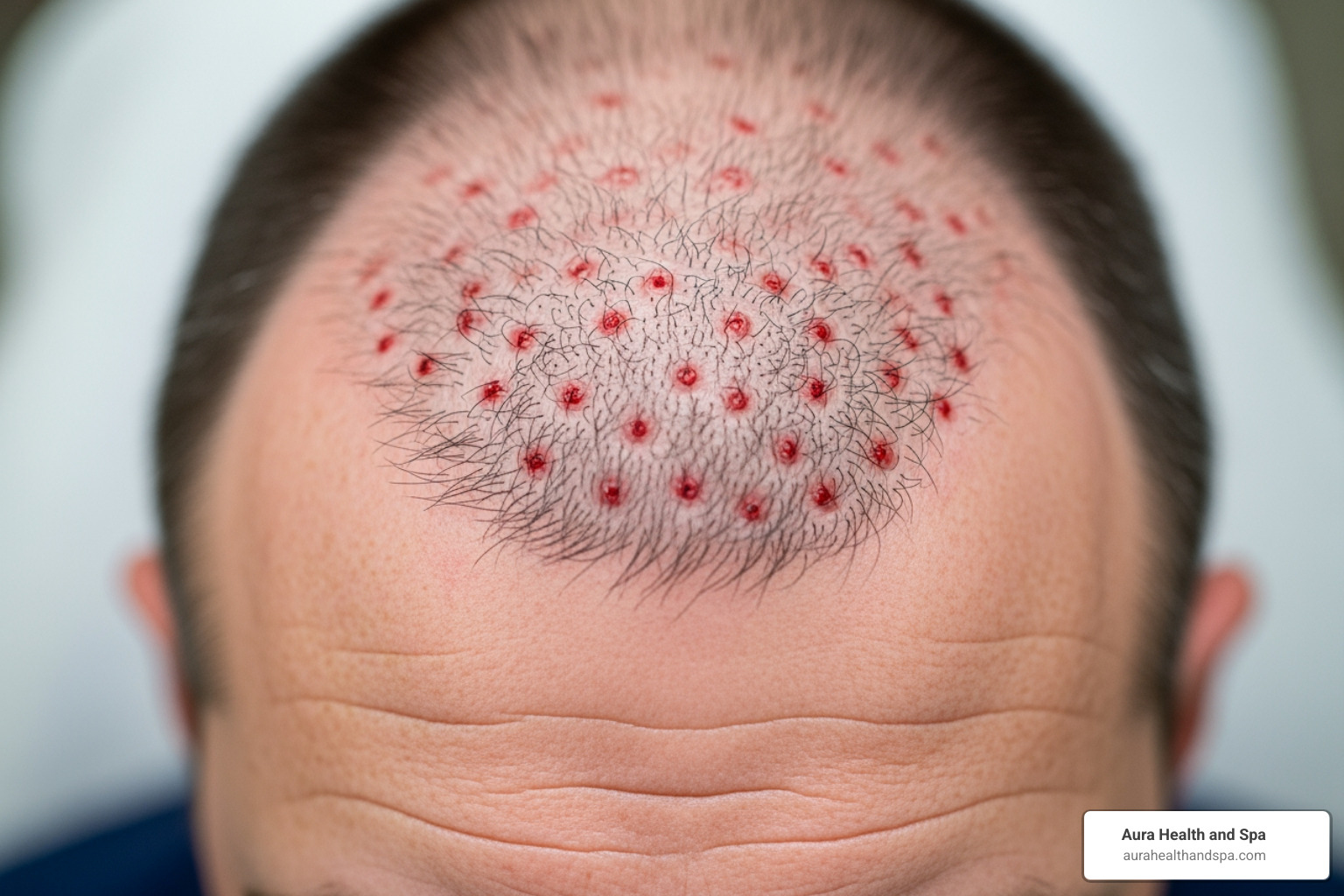
- Redness: Both the donor and recipient areas will appear red. The recipient area might look like it has tiny red dots where the grafts were placed, while the donor area will show small red holes from where the follicles were harvested.
- Scabbing: Small scabs will form around each implanted follicle in the recipient area. This is a natural protective mechanism.
Donor Area Healing:
The donor area, typically at the back of the head, experiences tiny incisions, usually less than a millimeter wide. These usually heal remarkably quickly, often within 2-3 days. By day 7, most patients show very little sign of a procedure in their donor area.
Recipient Area Care:
The newly implanted grafts are delicate during this initial phase.
- Avoiding Touch: It’s crucial for patients to avoid touching, scratching, or rubbing the implanted area for at least the first 4 days to prevent dislodging the grafts.
- Grafts Settling: The grafts begin to settle within 5-7 days. By day 7-10, they are generally considered securely established, significantly reducing the risk of dislodgement.
- Pain Management: While the procedure is usually painless due to local anesthetics, some mild discomfort or tenderness might occur. This is typically manageable with mild painkillers prescribed by the surgeon.
- Activity Restrictions: During this critical first week, minimal exercise is recommended. Patients should avoid strenuous activities that could increase blood pressure to the scalp or cause excessive sweating, which might compromise the healing grafts.
Adhering strictly to the surgeon’s aftercare instructions during this first week is vital for the success of the procedure.
The Second Week to First Month: Navigating ‘Shock Loss’
As patients progress into the second week of their surgical hair restoration recovery, they’ll observe further scalp healing. The scabs in the recipient area will gradually begin to fall off, and the redness will start to subside. This is also the period when many patients encounter a phenomenon known as ‘shock loss.’
What is Shock Loss?
Around two weeks after a surgical procedure, patients may notice that their newly implanted hairs are falling out. This is ‘shock loss,’ and it’s a completely normal and expected part of the recovery process. It’s the hair shaft that falls out, not the follicle itself. The implanted hair follicles, having undergone the trauma of relocation, enter a resting phase (telogen effluvium) before beginning their new growth cycle. This temporary hair shedding makes way for robust, new hair growth. The resting phase of shock loss can last up to two months.
Managing Expectations:
While seeing new hairs fall out might be alarming, it’s essential to remember that this is a sign that the process is working. The root is still there, securely embedded, preparing to grow new, permanent hair. This phase can sometimes have a psychological impact, but surgical teams typically reassure their clients that it’s a temporary and necessary step.
Months 2-6: The First Signs of New Growth
After navigating the initial healing and the ‘shock loss’ phase, patients enter what’s often referred to as the dormancy period, typically lasting from month 1 to month 3. During this time, it’s common to feel impatient, as visible results are minimal. The follicles are resting and preparing for their next growth cycle.
New Hair Emerges:
The real excitement usually begins around months 3-4, when the first signs of new hair growth appear. Initially, these hairs will be thin and fine, almost like peach fuzz. This is entirely normal, and these delicate strands are the precursors to thicker, stronger hair.
Noticeable Density and Thickening:
As patients move into months 4-6, the growth accelerates, becoming much more noticeable. This is a rapid growth phase where the newly emerged hairs begin to thicken and gain density. Patients start to get a good idea of the final appearance. Hair typically grows about 1 cm per month, so by the fifth month, about 20% progress in hair growth may be observed. The biggest improvement generally occurs between the fifth and ninth months, with coverage reaching up to 80% by six months. This period marks a significant visual improvement as the hairline starts to take shape.
Months 6-18: The Long Road to Final Results
The journey doesn’t end with initial growth. The period from 6 to 18 months is where the magic truly unfolds, leading to the full and final results of a surgical procedure.
Continued Growth and Maturation:
- Significant Improvement (6-9 months): By six months, hair growth is at its most rapid rate, with strands getting thicker and stronger each day. Many patients see significant improvement, and coverage can reach up to 80%.
- Final Maturity (9-12 months): The hair continues to grow and mature. By the end of the 12th month, hair growth reaches almost 90%. The implanted hair begins to blend seamlessly with existing hair, both in texture and color.
- Full Results (12-18 months): The entire process is finalized at the end of the 14th month, though it can take as long as 18 months for the full results of the surgical procedure to be visible and for the hair to reach its final maturity and appearance. This is when hair density is at its peak, and patients can truly appreciate the full change.
Styling and Care:
Once the hair is fully established and mature, it can be treated just like natural hair. This includes styling, cutting, and even coloring. Surgeons generally recommend waiting at least four weeks before the first haircut and at least one month before coloring the hair, performing a patch test first, as new follicles might be more sensitive. The patience exercised during this long road to recovery is ultimately rewarded with a natural-looking, permanent solution to hair loss.
Key Surgical Hair Restoration Recovery Challenges: Side Effects and Activity Restrictions
While the promise of a fuller head of hair is exciting, navigating surgical hair restoration recovery requires diligence and adherence to specific aftercare practices. A surgeon’s instructions are the roadmap to success, and compliance is crucial to protecting the investment. Understanding and managing common side effects, along with adjusting one’s lifestyle, are key components of a smooth recovery.
Managing Common Side Effects of Surgical Hair Restoration Recovery
Even though some surgical methods are minimally invasive, it’s still a surgical operation, and the body will react. Knowing how to manage these common side effects can make the recovery much more comfortable.
- Swelling Management: As mentioned, swelling, particularly around the forehead and eyes, is common. It usually peaks around day 4. To help manage this, patients are advised to keep their head liftd while sleeping for the first 3-5 days. Using a cold compress on the swollen areas can also provide relief. Proper hydration is also beneficial.
- Itching Management: Itching is a very common sensation during the healing process, indicating that the scalp is mending. It’s important for patients to avoid scratching, as this can dislodge the implanted follicles or introduce infection. A surgeon may recommend antihistamines or specific moisturizing sprays to alleviate itchiness.
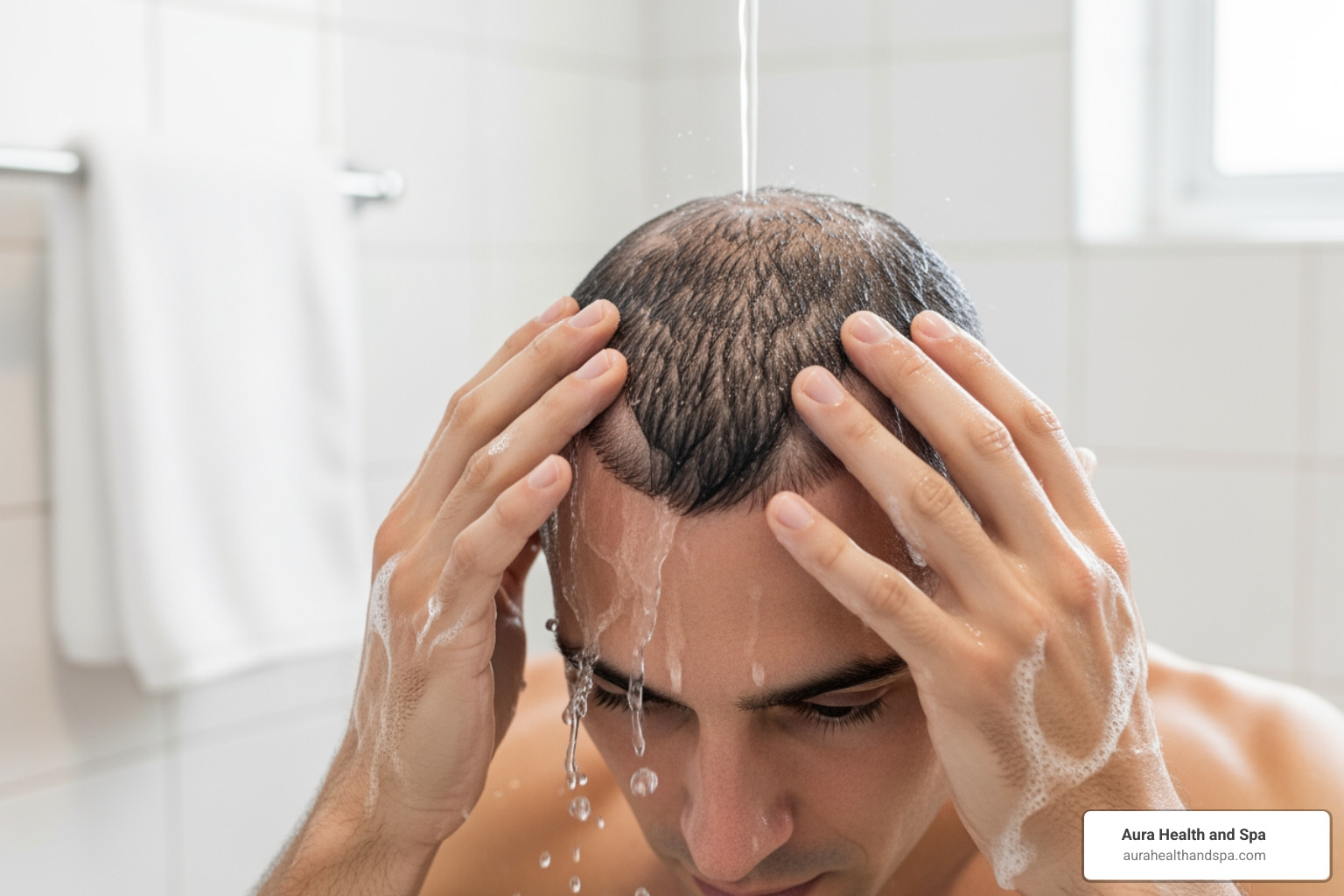
- Scab Management: Small scabs will form around the implanted grafts. These are a normal part of healing. Patients receive specific instructions on how to gently wash their hair starting around day 5. This gentle washing helps soften and eventually remove the scabs. It is absolutely crucial not to pick at the scabs, as this can dislodge the delicate grafts, leading to poor growth or even infection.
- Folliculitis: Sometimes, small, pimple-like lesions (folliculitis) can appear as the new hairs begin to grow. In most cases, these subside on their own without intervention. However, if they become painful, inflamed, or if a patient notices more than 2-3 pimples, they should contact their doctor for advice.
What to Avoid During the Surgical Recovery Period
Protecting newly implanted grafts and ensuring optimal healing involves avoiding certain activities for specific periods.
- Strenuous Exercise: Surgeons advise against strenuous exercise for at least the first two weeks, and ideally for up to four weeks. Activities that cause excessive sweating or increase blood pressure can put stress on the grafts, potentially dislodging them or increasing swelling. Light activities, like gentle walking, can usually be resumed after a week.
- Sun Exposure: Direct sun exposure to a healing scalp can cause damage and affect pigmentation. For the first week, sun exposure should be limited to no more than 5 minutes. For up to six months, it is recommended to wear a loose-fitting hat or use a high-SPF sunscreen (SPF 30+) if outdoors for prolonged periods.
- Alcohol and Smoking: Both alcohol and smoking can impair the healing process. Alcohol can thin the blood and increase swelling, while smoking restricts blood flow, which is vital for graft survival and proper healing. It’s best for patients to avoid both for at least a few weeks post-procedure.
- Hair Washing: Patients receive detailed instructions on when and how to wash their hair. Typically, gentle washing with a special shampoo starts around day 5. Aggressive scrubbing or using harsh water pressure should be avoided.
- Hair Styling, Cutting, or Coloring: Patients should wait at least four weeks after their procedure before getting a haircut, and ensure any redness, swelling, or scabbing has resolved. For hair coloring, it’s advised to wait at least one month, and always perform a patch test as the new follicles may be more sensitive. Harsh chemical products and heated styling tools should be avoided in the initial months to protect the delicate new growth.
A Faster Path: Recovery from Non-Surgical Hair Restoration
While understanding surgical hair restoration recovery is essential for those considering surgical options, it’s also important to know that a faster, less invasive path to hair restoration exists. At Aura Health & Spa in Plymouth, Michigan, we specialize in advanced, non-surgical solutions that offer remarkable results with virtually no downtime, contrasting sharply with the extensive recovery period of surgical procedures.
Our approach focuses on stimulating your body’s natural growth mechanisms without the need for incisions, donor site harvesting, or the prolonged healing associated with surgery. This means you can return to your daily routine almost immediately, making it an ideal choice for those who prioritize convenience and minimal interruption to their lives. We believe in providing visible results without the downtime, aligning with our core idea that “Confidence starts with results you can see.”
You can learn more about our comprehensive approach to non-surgical hair restoration, including our advanced laser and regenerative therapies, by visiting our dedicated page: Hair Restoration Folix Laser. We also use cutting-edge treatments like Platelet-Rich Plasma (PRP) to harness your body’s own healing power for hair regrowth. Explore the benefits of PRP on our site.
Recovery After Folix™ Laser and De|Rive Treatments
At Aura Health & Spa, we are proud to offer innovative non-surgical hair restoration treatments like FolixMD and De|Rive Ultra Plus, which provide a significantly easier recovery experience compared to surgical methods.
- FolixMD Laser Treatment: Our FolixMD treatment uses the Lumenis FoLix fractional laser. This is not a low-level laser therapy (LLLT) device. Instead, it works by creating precise microthermal zones with targeted, concentrated energy. This sophisticated approach activates the body’s natural healing response, stimulating dormant hair follicles and promoting new hair growth. The recovery from FolixMD is exceptionally gentle: you might experience mild redness in the treated area immediately after, which typically subsides within a few hours. There is virtually no downtime, allowing you to resume your normal activities right away.
- De|Rive Ultra Plus: This advanced plant-based serum complements our laser treatments, providing essential nutrients and growth factors to the scalp. Applied topically, it supports hair health without any recovery period.
For both treatments, the aftercare is straightforward, primarily involving following our licensed providers’ instructions for gentle scalp care and product application. The contrast with the weeks and months of surgical hair restoration recovery is striking, offering a truly convenient path to hair rejuvenation.
To find more about how these treatments can help you achieve your hair goals with minimal fuss, visit our page: More info about our advanced hair restoration services.
Recovery After PRP and PDGF+ Injections
Another cornerstone of our non-surgical hair restoration offerings at Aura Health & Spa involves advanced injectable therapies like Platelet-Rich Plasma (PRP) and PDGF+. These treatments leverage your body’s natural healing capabilities to revitalize hair follicles, with a recovery process far less demanding than surgical hair restoration recovery.
- PRP Therapy Explained: Platelet-Rich Plasma (PRP) therapy involves drawing a small amount of your blood, processing it to concentrate the platelets (which are rich in growth factors), and then injecting this concentrated plasma into your scalp. These growth factors stimulate dormant hair follicles, encouraging new growth and strengthening existing hair. The procedure is quick, and while you might feel minimal discomfort during the injections, it’s generally well-tolerated.
- PDGF+ Explained: We also use PDGF+ (Platelet-Derived Growth Factor), a potent concentrate of growth factors that can be combined with PRP or used as a standalone treatment to further improve follicular stimulation.
Post-Treatment Experience:
After PRP or PDGF+ injections, you may experience mild scalp tenderness and minor swelling for 1-2 days. This is typically mild and resolves quickly. We advise avoiding strenuous exercise for 24 hours post-treatment to allow the injected solution to settle properly. Beyond that, you can return to your regular activities. There are no incisions, no scabs, and no prolonged healing phases, making these treatments a fantastic option for those seeking effective hair restoration without the significant commitment of surgical recovery.
Our comprehensive spa services, including these innovative hair restoration treatments, are designed to help you look younger, feel more confident, and love your reflection again. Explore all our offerings: Spa Services.
Frequently Asked Questions About Hair Restoration Recovery
We often hear many questions from our clients in Plymouth, Michigan, about what to expect after hair restoration treatments. Whether you’re considering surgical options or our non-surgical options, understanding the recovery and expected outcomes is key.
How long does the donor area take to fully heal after a surgical procedure?
The donor area after a surgical procedure heals relatively quickly compared to the overall surgical hair restoration recovery timeline. Immediately after the procedure, you’ll see small red holes where each individual follicle was extracted. These tiny incisions typically heal within 2-3 days. By day 7, most people show very little sign of the procedure in their donor area. The redness will subside, and the small scabs will fall off. However, while the surface healing is fast, the donor hair, once removed, is gone forever. This is why careful planning and judicious use of the donor area are critical in surgical hair restoration.
With our non-surgical hair restoration methods at Aura Health & Spa, there is no donor area involved. This means no incisions, no healing time for a donor site, and absolutely no scarring, offering a significant advantage for those seeking to avoid any surgical aftermath.
When can I see the final results from hair restoration?
Patience is truly a virtue when it comes to hair restoration, regardless of the method.
- For Surgical Procedures: The full journey to final results is quite long. You’ll typically start seeing initial thin hair growth around 3-4 months, with noticeable thickening and density by 6-9 months. However, the final appearance, with full density and maturation of the implanted hair, can take anywhere from 12 to 18 months. The biggest improvement generally occurs between the 5th and 9th months, with coverage reaching up to 80% by 6 months. The entire process is often finalized around the 14th month.
- For Non-Surgical Treatments: With our advanced non-surgical treatments like FolixMD, PRP, and PDGF+, clients often begin to see initial improvements in hair texture and reduced shedding within 3-4 months. Optimal results usually become evident around 6 months, especially after completing a recommended series of treatments. While the growth is gradual, the timeline for visible improvement is generally faster than surgical options, and without the initial shock loss phase. We focus on consistent, measurable improvement to help you achieve your hair goals sooner and with less interruption.
Conclusion: Choosing the Right Path for Your Hair Goals in Michigan
Navigating hair restoration can feel overwhelming, but understanding the recovery process is key to making an informed decision. As we’ve explored, surgical hair restoration recovery is a significant commitment, requiring considerable time and patience—often 12 to 18 months—to see the full, permanent results. It involves immediate post-operative care, managing swelling and scabbing, enduring the ‘shock loss’ phase, and patiently waiting for new hair to grow and mature.
For many in Plymouth, Michigan, a faster, easier path with minimal to no surgical downtime is a more appealing option. This is where Aura Health & Spa excels. Our advanced, non-surgical hair restoration treatments, including the FolixMD fractional laser, De|Rive Ultra Plus, PRP, and PDGF+, offer a compelling alternative. These methods stimulate natural hair growth without incisions, donor site healing, or the prolonged recovery associated with surgery. You can often return to your normal activities immediately, with initial improvements visible in months, not over a year.
The factors influencing the success of any hair restoration journey include your overall health, diligent adherence to aftercare instructions, and, crucially, the skill and expertise of your chosen provider. At Aura Health & Spa, our Medical Director oversees all procedures, and our licensed providers deliver precision, professionalism, and visible results you can trust. We are dedicated to helping our clients in Metro Detroit look younger, feel more confident, and love their reflection again.
Whether you’re weighing the long-term commitment of surgical restoration or seeking the convenience and rapid recovery of non-surgical solutions, we invite you to explore the best path for your hair goals.