
Why Hair Follicle Health Matters More Than You Think
Boost hair follicles and you’ll see thicker, fuller hair. Here’s how:
- Nutrition: Get enough protein, iron, zinc, biotin, and vitamins C, D, and A
- Lifestyle: Manage stress, massage your scalp, avoid tight hairstyles and excessive heat
- Professional Treatments: FolixMD fractional laser, De|Rive Ultra Plus, Microneedling with PRP, and Microneedling with EXOE Exosomes or PDGF+
- Natural Remedies: Try rosemary oil, peppermint oil, or pumpkin seed oil
- Timeline: Most people see results in 3-6 months with consistent care
Hair follicles are tiny powerhouses beneath your scalp. They’re responsible for every strand of hair you have. When they’re healthy, your hair grows strong and thick. When they’re not, you might notice thinning, breakage, or slower growth.
The problem? Hair follicles can weaken from many sources. Stress, poor nutrition, hormonal shifts, and harsh hair care practices all take a toll. Over time, follicles can shrink—a process called miniaturization—producing thinner, weaker hair. In some cases, they can even stop producing hair altogether.
But here’s the good news: many follicles can be revived. With the right combination of nutrition, lifestyle changes, and targeted treatments, you can strengthen existing follicles and potentially reactivate dormant ones.
At Aura Health & Spa in Plymouth, Michigan, our approach to hair restoration is rooted in medical expertise. Under the oversight of our Medical Director, a Board Certified Emergency Medicine Physician, our team of registered and licensed providers helps patients boost hair follicles through safe, evidence-based treatments. We focus on creating comprehensive, premium packages as a meaningful investment in your hair health. Our advanced regenerative therapies include FolixMD, which uses the powerful Lumenis FoLix fractional laser. Unlike low-level laser therapy (LLLT), FolixMD creates microthermal zones with concentrated energy to directly activate the body’s healing response and stimulate follicles. We also offer De|Rive Ultra Plus, a cutting-edge plant-based exosome treatment, and premium microneedling packages with PRP, EXOE exosomes, or PDGF+. Our clinic specializes in these non-surgical solutions, ensuring you receive a personalized plan for results that last.
Boost hair follicles glossary:
Understanding What Weakens Hair Follicles
Your hair follicles are remarkable little organs tucked beneath your scalp. Each one anchors a hair strand and guides it through a natural growth cycle that repeats throughout your life. When these follicles are healthy, they produce strong, thick hair that grows at a steady pace. But when something disrupts their function, you might notice thinning, breakage, or slower growth.
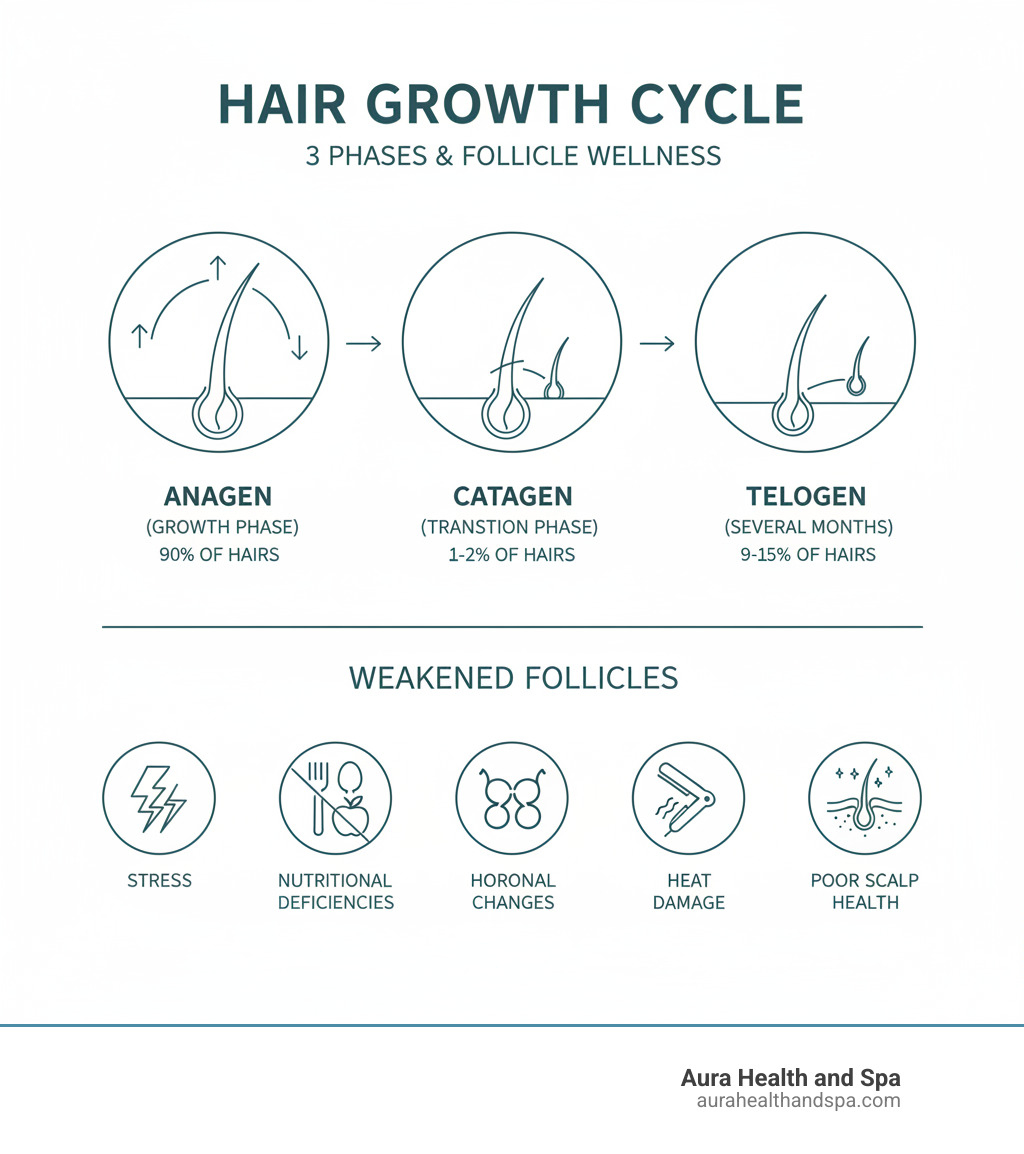
The hair growth cycle has three distinct phases: anagen (active growth, lasting 3-7 years), catagen (a brief transition period of 2-4 weeks), and telogen (a resting phase of several months before the hair sheds). Healthy follicles move smoothly through these stages, maintaining your hair’s natural thickness and vitality.
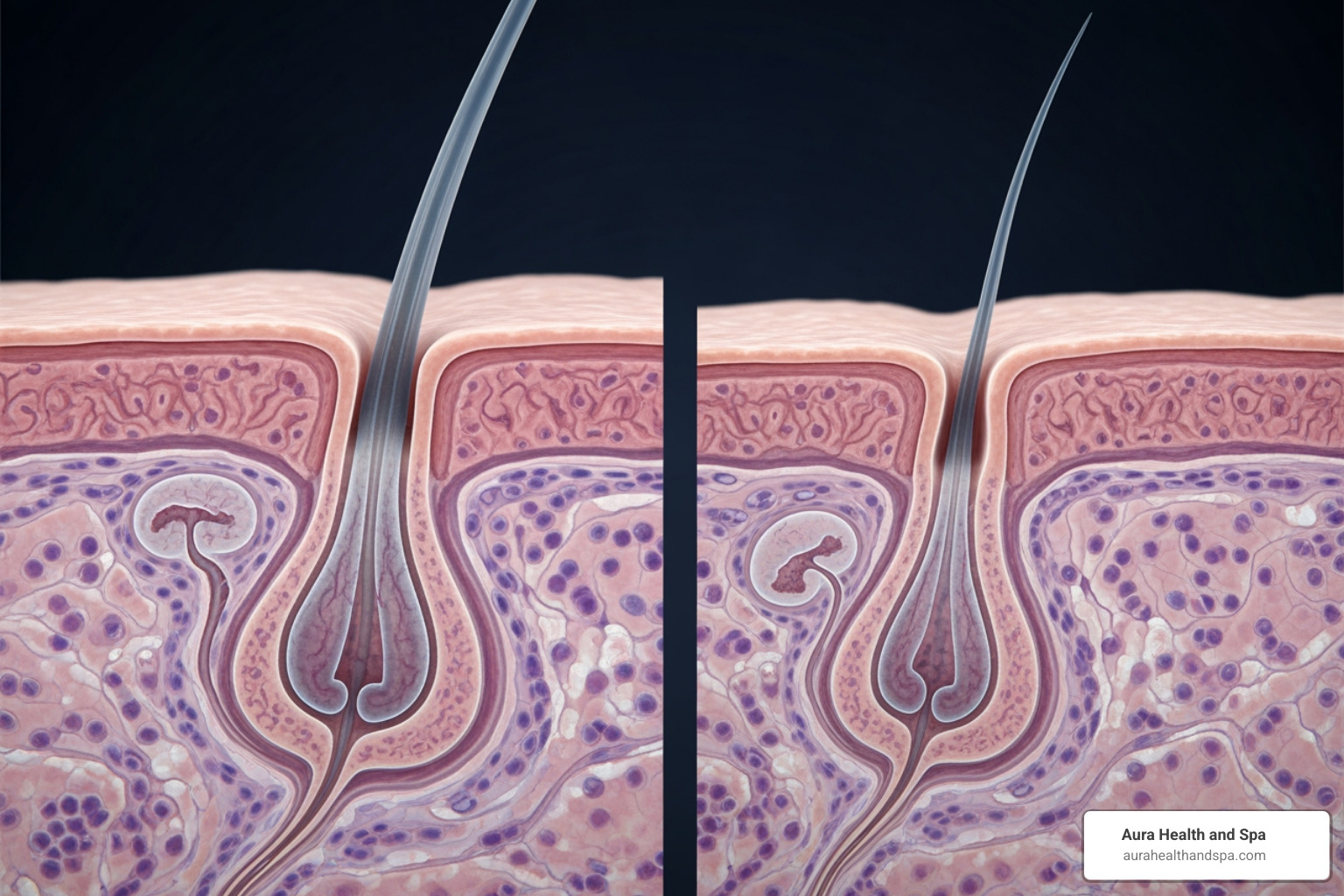
One of the most concerning changes that can happen to hair follicles is called miniaturization. This process causes follicles to gradually shrink over time, producing progressively finer, shorter, and weaker hairs with each cycle. Eventually, a miniaturized follicle may become so small that it stops producing visible hair altogether. When we talk about how to boost hair follicles, we’re often aiming to reverse or slow down this miniaturization and support the health of these essential hair-producing powerhouses.
Common Causes of Hair Thinning and Damage
Many factors—both internal and external—can weaken hair follicles and disrupt their normal function. Understanding what’s causing your hair concerns is the first step toward finding the right solution.
Genetics plays the biggest role in hair loss for most people. Androgenetic alopecia, also known as hereditary hair loss, affects nearly 30 million women and 50 million men in the United States. This condition creates characteristic patterns: a receding hairline or bald spots in men (male pattern baldness) and a widening part or diffuse thinning on the crown in women (female pattern hair loss). In genetically predisposed areas, hair follicles become sensitive to certain hormones, leading to progressive miniaturization over time.
Hormonal changes can dramatically affect how your hair grows. Conditions like Polycystic Ovary Syndrome (PCOS) create hormonal imbalances that often lead to thinning hair. Thyroid disease—whether your thyroid is overactive or underactive—can cause your hair to stop growing, become brittle, or fall out in noticeable amounts. Many women also experience telogen effluvium after childbirth, a temporary but sometimes alarming shedding phase that can last six months to two years as hormone levels readjust.
Inflammation on the scalp can be surprisingly harmful to follicles. While conditions like dandruff don’t directly cause hair loss, they can create persistent itching that leads to scratching and follicle damage. Research has also revealed The Inflammatory Aspect of Male and Female Pattern Hair Loss, suggesting that inflammation plays a more significant role in common hair loss patterns than we once thought.
Stress—both emotional and physical—can trigger telogen effluvium, a condition that pushes a large number of hairs prematurely into the resting phase. You might notice handfuls of hair coming out when you shampoo, brush, or simply run your hands through your hair. While this type of hair loss is usually reversible within 6-8 months once the stressor is removed, chronic stress can prolong the problem and make it harder to boost hair follicles back to health.
Nutritional deficiencies can starve your follicles of the building blocks they need to produce healthy hair. Poor nutrition damages follicles, stunts growth, and causes hair to fall out. Deficiencies in iron, zinc, protein, biotin, and vitamins A, C, and D can all contribute to thinning and loss. Your follicles are constantly producing new cells, making them highly sensitive to what you’re eating—or not eating.
Poor hair care practices might seem harmless in the moment, but they add up over time. Chemical damage from over-processing with dyes, bleaches, perms, or relaxers weakens the hair shaft and can damage the follicle itself. Heat styling with blow-dryers, curling irons, and flat irons—especially without heat protectant—breaks and damages hair, hindering its growth. Physical trauma from tight hairstyles like braids, ponytails, or extensions creates constant tension that can lead to traction alopecia, a form of hair loss caused by pulling. Even aggressive brushing, particularly on wet hair, can cause breakage and follicle stress.
Medical conditions and medications can also interfere with hair growth. Beyond thyroid issues, certain medications list hair loss as a side effect, including blood pressure medicines, cholesterol-lowering statins, seizure medicines, blood thinners, and acid reflux medications. If you’ve recently started a new medication and notice increased shedding, it’s worth discussing with your doctor.
At Aura Health & Spa in Plymouth, Michigan, we help clients identify which factors are affecting their hair health and create personalized treatment plans that address the root causes—not just the symptoms.
How to Boost Hair Follicles with Nutrition and Lifestyle
The journey to healthier, thicker hair often begins from within. Your diet and daily habits profoundly influence the vitality of your hair follicles. While you can’t change your genes or age, you can control what you eat and how you manage your lifestyle, making these powerful tools to boost hair follicles.
Think of your hair follicles like tiny plants. They need the right nutrients, water, and care to flourish. Feed them well, treat them gently, and they’ll reward you with stronger, fuller hair. Neglect them, and they’ll struggle to produce anything worthwhile.
Key Vitamins and Minerals to Boost Hair Follicles
A balanced diet rich in specific nutrients is foundational for strong hair follicles and robust hair growth. Let’s talk about what your hair actually needs to thrive.
Protein forms the building blocks of your hair. Since hair is primarily made of a protein called keratin, adequate protein intake is essential for every hair structure. Low protein intake may increase the risk of hair loss. Lean meats, fish, eggs, beans, lentils, nuts, seeds, and tofu are all excellent sources that help your body produce the keratin necessary for strong, healthy hair.
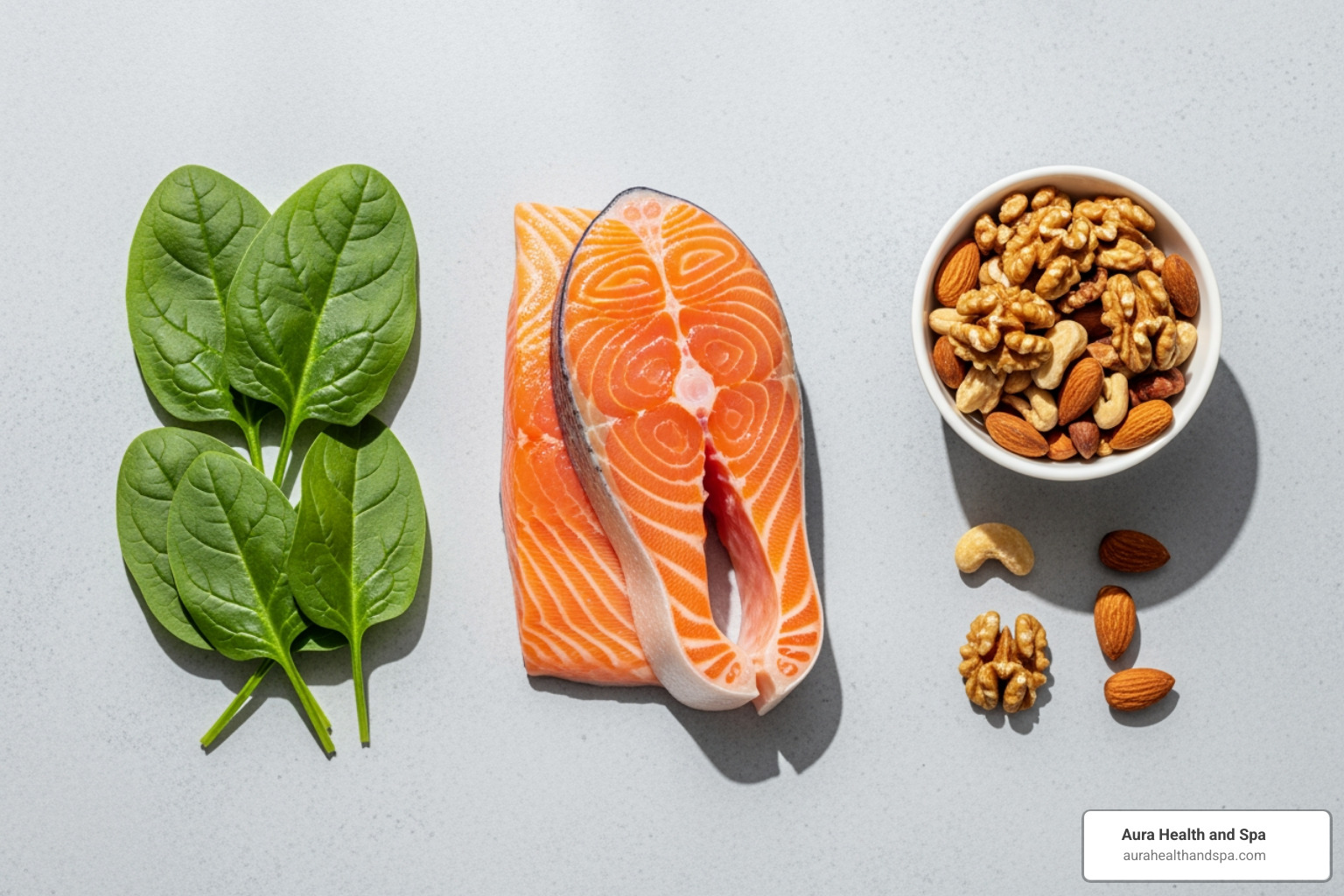
Iron carries oxygen to all your cells, including those in hair follicles. When iron levels drop too low, leading to anemia, your hair can shed faster than it grows. To combat this, consume iron-rich foods like lean meats, spinach, and fortified cereals. Here’s a helpful tip: vitamin C increases iron absorption, so pairing these foods with citrus fruits or berries can significantly improve uptake. Vitamin C does double duty for your hair—it also acts as an antioxidant that minimizes inflammation affecting hair growth, and it’s vital for collagen synthesis, a protein that strengthens your hair and makes it less likely to become brittle and break. Blueberries, strawberries, oranges, peppers, and spinach are all rich sources.
Zinc is crucial for making keratin and growing hair. Low zinc levels may cause a specific form of hair loss called telogen effluvium, which is often reversible. Shellfish like oysters, crab, and shrimp, along with beef and pumpkin seeds, are good sources. For more scientific insights, refer to Analysis of serum zinc and copper concentrations in hair loss.
Biotin, a critical B vitamin for healthy hair growth, helps make keratin. While severe biotin deficiency is rare, very low levels can lead to thinning hair. Egg yolks are a good source. However, it’s important to note that while some studies show a connection between low biotin levels and hair loss, other studies have yet to definitively prove that getting more biotin directly leads to more hair growth in individuals without a deficiency.
Vitamin D plays an important role in healthy hair development and many other physiological processes. Deficiency may have detrimental effects on hair. Ensuring adequate levels through safe sunlight exposure, fortified foods, or supplementation under medical guidance is beneficial.
Vitamin A helps make sebum, the oily substance that moisturizes your scalp and keeps hair healthy. A vitamin A deficiency can cause a dry, scaly scalp and poor hair growth. Leafy greens like spinach and kale are excellent sources. However, both deficiencies and excess levels can contribute to disease states, so balance is key.
Selenium keeps your thyroid gland healthy. Since thyroid disease can cause hair to stop growing or fall out, selenium indirectly supports hair health. However, having either too little selenium or too much of it may cause hair loss, highlighting the importance of balanced intake.
Omega-3 fatty acids, found in fatty fish like salmon, herring, and mackerel, as well as nuts and seeds like flaxseeds and chia seeds, are anti-inflammatory and support overall scalp health and circulation. This circulation is vital for nourishing hair follicles and helping them boost hair follicles to their full potential.
Lifestyle Habits for Stronger Follicles
Beyond nutrition, several lifestyle adjustments can significantly contribute to strengthening your hair follicles and promoting healthier hair growth. Small changes in your daily routine can make a big difference over time.
Managing stress is crucial because chronic stress is a common culprit behind hair loss, particularly telogen effluvium. Finding effective ways to manage stress isn’t just good for your mental health—it’s essential for your hair. Practices like meditation and yoga can help calm your mind and reduce stress hormones that trigger hair shedding. Deep breathing exercises, ensuring adequate sleep, and engaging in enjoyable physical activities all contribute to lower stress levels. When stress levels are reduced, hair often recovers naturally.
Being gentle with your hair can prevent breakage and damage to follicles. Think about how you handle your hair throughout the day. Avoiding tight hairstyles that pull on the scalp is important, as constant tension can lead to traction alopecia. Brush hair gently, especially when wet, using a wide-tooth comb. Wet hair is more fragile and prone to breakage. Use a good conditioner after every shampoo to strengthen hair and protect it. Consider sleeping on a satin or silk pillowcase to reduce friction and minimize breakage while you sleep.
Limiting heat styling is another key habit. Excessive heat from styling tools can damage the hair shaft and impede growth. If you must use heat, always apply a heat protectant, use the lowest effective temperature setting, and avoid daily use. Letting hair air dry whenever possible is a great alternative that gives your hair a break from damage.
Proper scalp hygiene creates the foundation for healthy hair. A healthy scalp is essential for healthy follicles. Treat conditions like dandruff promptly, as itching and inflammation can worsen hair loss. Regular, gentle washing keeps the scalp clean and free from product buildup that can clog follicles and prevent them from functioning optimally.
Scalp massage is one of the most enjoyable ways to support hair health. Regular scalp massages can stimulate blood circulation to the hair follicles, delivering essential oxygen and nutrients. A few small studies suggest that regular head massages might help hair grow thicker. Plus, they’re a fantastic way to reduce stress—two benefits in one simple practice.
Finally, don’t underestimate the power of hydration. Dehydration dries out your scalp, which can slow hair growth. Aim to drink at least 64 ounces (2 liters) of water a day, unless otherwise medically advised, to keep your body and scalp adequately hydrated. When your body is well-hydrated, it can better deliver nutrients to your hair follicles and support their function.
Natural Remedies and Topical Solutions for Follicle Stimulation
For centuries, people around the world have turned to nature for hair health solutions. From the ancient practices of Ayurvedic medicine in India to Traditional Chinese Medicine, herbs and plant-based extracts have long been valued for their potential to nourish the scalp and boost hair follicles. Today, many of these time-honored remedies are gaining scientific attention, though it’s important to note that much of the research has been conducted on animals. More human studies are needed to fully understand their effectiveness.
Still, if you’re looking for natural approaches to support your hair health, several herbs and oils show real promise. They can be a gentle addition to your hair care routine, especially when combined with good nutrition and proper scalp care.
Popular Herbs and Their Scientific Backing
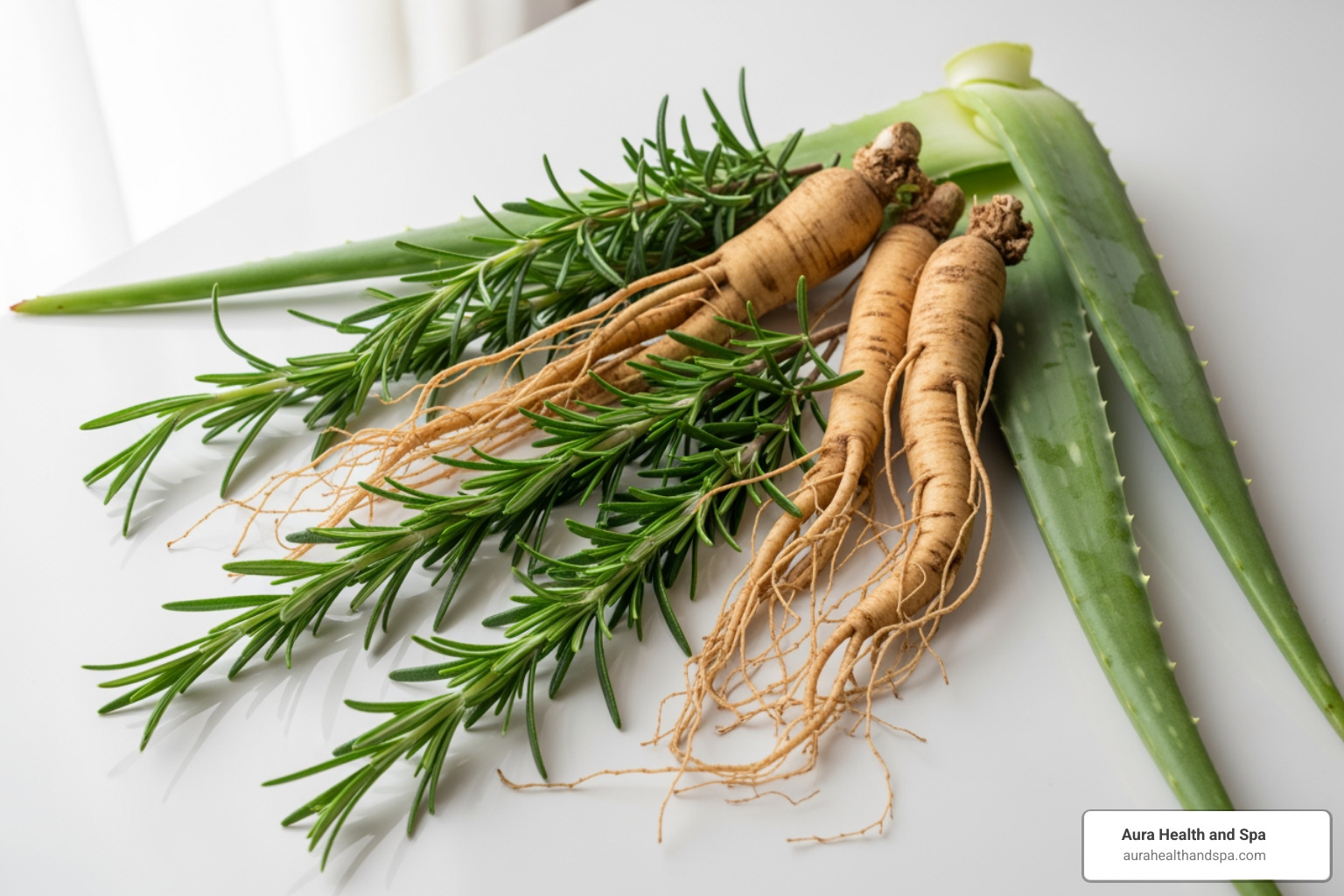
Ginseng has been used for generations as a natural remedy for numerous health concerns, including hair loss. The root contains compounds called saponins, which researchers believe may encourage hair growth by inhibiting the 5-alpha reductase enzyme—the same enzyme linked to male pattern baldness. This makes ginseng particularly interesting for those dealing with androgenetic alopecia.
Rosemary oil is perhaps one of the most studied and widely praised essential oils for hair growth. Research suggests it can stimulate hair follicles and improve blood circulation to the scalp, bringing vital nutrients and oxygen to your hair roots. A systematic review on topical marketed formulations, natural products, and oral supplements to prevent androgenic alopecia highlights rosemary oil’s potential as a natural alternative worth considering. Some studies have even compared its effects favorably to conventional treatments.
Peppermint oil is another essential oil that shows promise. Studies indicate it may help increase the number of hair follicles, follicle depth, and overall hair growth. The cooling, tingling sensation you feel when applying peppermint oil is actually increased blood flow to the area—exactly what your follicles need to thrive.
Pumpkin seed oil has gained attention in recent years for its potential benefits in hair loss. Rich in zinc and other nutrients, it’s thought to help block the conversion of testosterone to DHT, the hormone responsible for shrinking hair follicles in androgenetic alopecia.
Aloe vera is a household name for soothing skin, but it also has a place in hair care. This succulent plant helps keep the scalp conditioned and healthy, reducing inflammation and creating an optimal environment for hair growth. A healthy scalp is the foundation for healthy hair, and aloe vera excels at maintaining that balance.
Several traditional remedies from Chinese and Ayurvedic medicine also show interesting potential. Tuber fleeceflower (Polygonum multiflorum), used in Traditional Chinese Medicine for centuries, contains compounds that inhibit 5-alpha reductase enzymes while helping to stimulate the active growth phase in hair follicles. False daisy (Eclipta alba), an Ayurvedic herb, demonstrated in a 2014 study that it could stimulate hair follicles and trigger faster hair growth in test subjects.
Chinese hibiscus (Hibiscus rosa sinensis) is thought to help stimulate follicles, increase their size, and promote hair growth. Brahmi (Bacopa monnieri), another Ayurvedic staple, contains alkaloids believed to activate proteins responsible for hair growth. Gotu kola (Centella asiatica), one of the most popular herbs in Ayurveda, may increase hair length and stimulate growth by boosting blood circulation to the scalp.
Fenugreek seeds aren’t just for cooking. A 2006 study showed that fenugreek seed extract improved hair volume and thickness in both men and women experiencing moderate hair loss. Finally, Oriental arborvitae (Thuja orientalis), a traditional remedy for baldness, was found in a 2013 study to help hair grow by stimulating the growth stage in resting hair follicles.
Understanding Hair Growth Products
When you’re ready to try natural remedies, you’ll find them available in several different forms. Each type has its own application method and benefits, so understanding the differences can help you choose what works best for your lifestyle and hair needs.
Oils are perhaps the most popular form. These typically combine carrier oils (like coconut, jojoba, or argan oil) with essential oils (like rosemary or peppermint). You apply them directly to your scalp, where they deliver nutrients straight to your follicles. Many also claim to improve blood circulation, which helps nourish the hair roots. The massage action of applying oils is beneficial in itself, making this a relaxing ritual that also supports hair health.
Serums are lightweight, concentrated formulas designed for quick absorption. They often contain a blend of botanical extracts, vitamins, and other active ingredients suspended in a base that penetrates the scalp easily. Serums are ideal if you don’t want to deal with the heaviness or greasiness of oils. You can apply them to damp or dry hair, and they typically don’t require rinsing.
Creams and leave-in treatments provide a middle ground. They’re thicker than serums but lighter than oils, offering sustained moisture and nourishment throughout the day. These products often combine herbal extracts with conditioning agents that strengthen the hair shaft while supporting the scalp.
Supplements work from the inside out. Capsules or tablets containing herbal extracts, vitamins, and minerals support overall hair health through your bloodstream. They take longer to show results but can be effective when combined with topical treatments.
When choosing any hair growth product, look for key ingredients that match your specific needs. For example, if you’re dealing with androgenetic alopecia, seek out products containing ginseng, pumpkin seed oil, or tuber fleeceflower. If your main concern is improving scalp circulation, rosemary oil, peppermint oil, or gotu kola are excellent choices. For overall scalp health and conditioning, aloe vera and hibiscus are solid options.
Always perform a patch test before using any new product, especially essential oils. Natural doesn’t automatically mean safe for everyone—allergic reactions can happen with botanical ingredients just as they can with synthetic ones. Apply a small amount to your inner forearm and wait 24 hours. If you notice redness, itching, swelling, or any discomfort, don’t use the product on your scalp.
Essential oils should always be diluted in a carrier oil before applying to your skin. Using them “neat” (undiluted) can cause irritation, burning, or even chemical burns in some cases. A good rule of thumb is 2-3 drops of essential oil per tablespoon of carrier oil.
Natural remedies work best as part of a comprehensive approach to boost hair follicles. They’re most effective when combined with proper nutrition, stress management, gentle hair care practices, and—when needed—professional treatments. At Aura Health & Spa in Plymouth, Michigan, we can help you create a personalized plan that combines the best of natural support with advanced medical treatments for optimal results.