
by Dr. Reema Sethi | Nov 14, 2025 | Skincare
Introduction: Decoding the Price of Radiant Skin
How much is morpheus8 treatments is a top question for anyone considering this popular skin rejuvenation procedure. Here’s a quick overview of what you can expect to invest.
Quick Answer: Morpheus8 Pricing at a Glance
| Treatment Area |
Single Session |
3-Session Package |
| Full Face |
$1,000–$1,500 |
$2,100–$2,628 |
| Face & Neck |
$1,500–$2,000 |
$2,295–$4,000 |
| Eyes or Mouth |
$600–$1,000 |
$1,800–$2,400 |
| Body Areas |
$1,500–$4,000 |
$2,550–$4,000+ |
National Average: $1,000+ per session, with most patients paying around $5000 for their complete treatment plan.
You’ve seen the buzz online: tighter, smoother, younger-looking skin without surgery. That’s the promise of Morpheus8. But investing in your skin is a big decision, and you need to know what you’re paying for and if the results justify the cost.
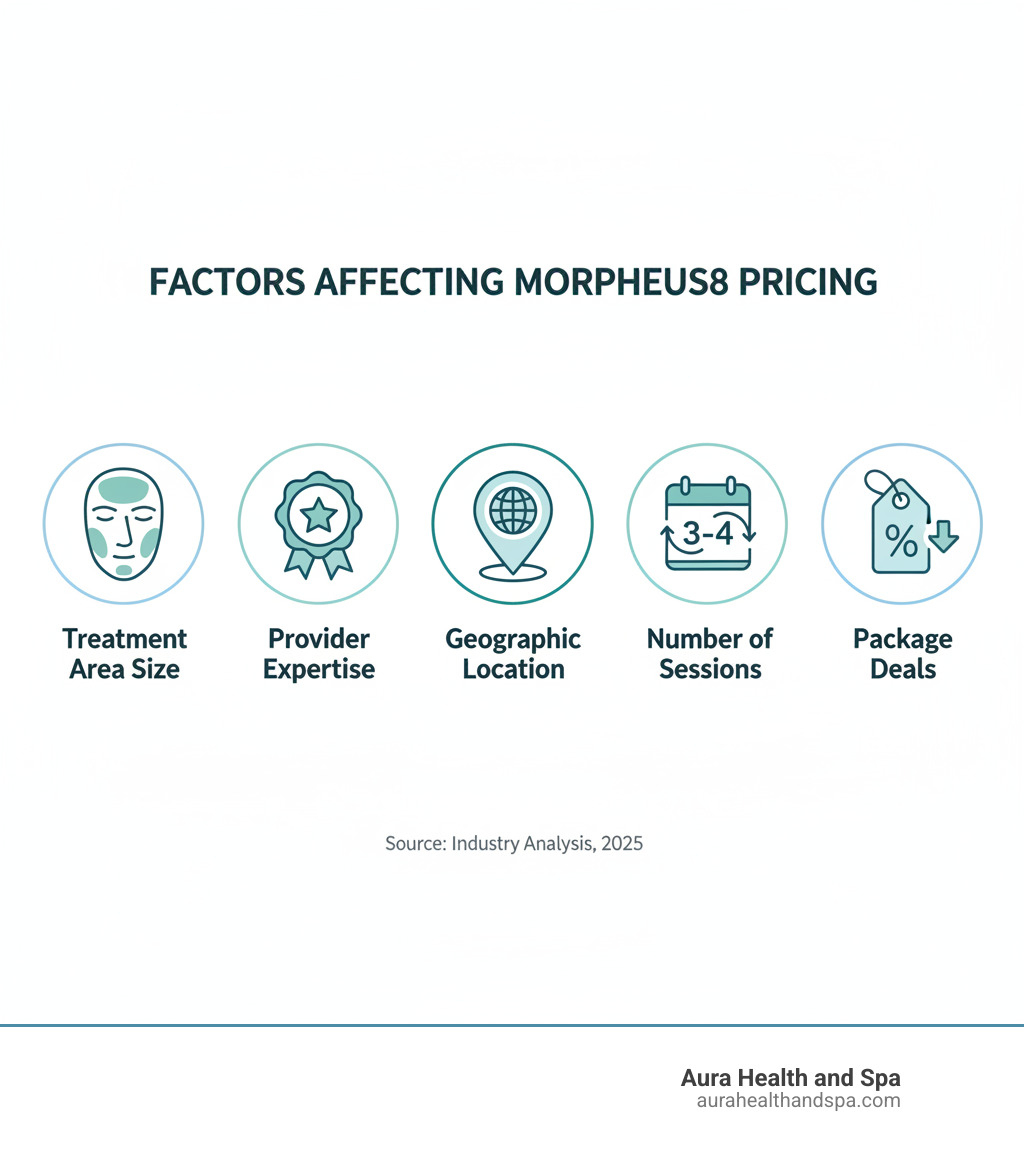
The truth is, the price of Morpheus8 depends on key factors like the treatment area size, your provider’s expertise, and your location. A small area might cost $600 per session, while a full face and neck treatment can exceed $2,000.
This guide is about understanding the value behind the price tag so you can make an informed choice. I’m Dr. Reema Sethi, a medical aesthetics specialist with over 15 years of clinical experience. I’ve helped many professionals in Metro Detroit determine if Morpheus8 is the right investment for their skin goals. Let me walk you through what you need to know.
What is Morpheus8 and Why is Everyone Talking About It?
Before we dive deeper into how much is morpheus8 treatments cost, let’s cover what makes this procedure so effective. Morpheus8 is a highly sought-after skin rejuvenation treatment because it delivers impressive, surgical-like results without the surgery.
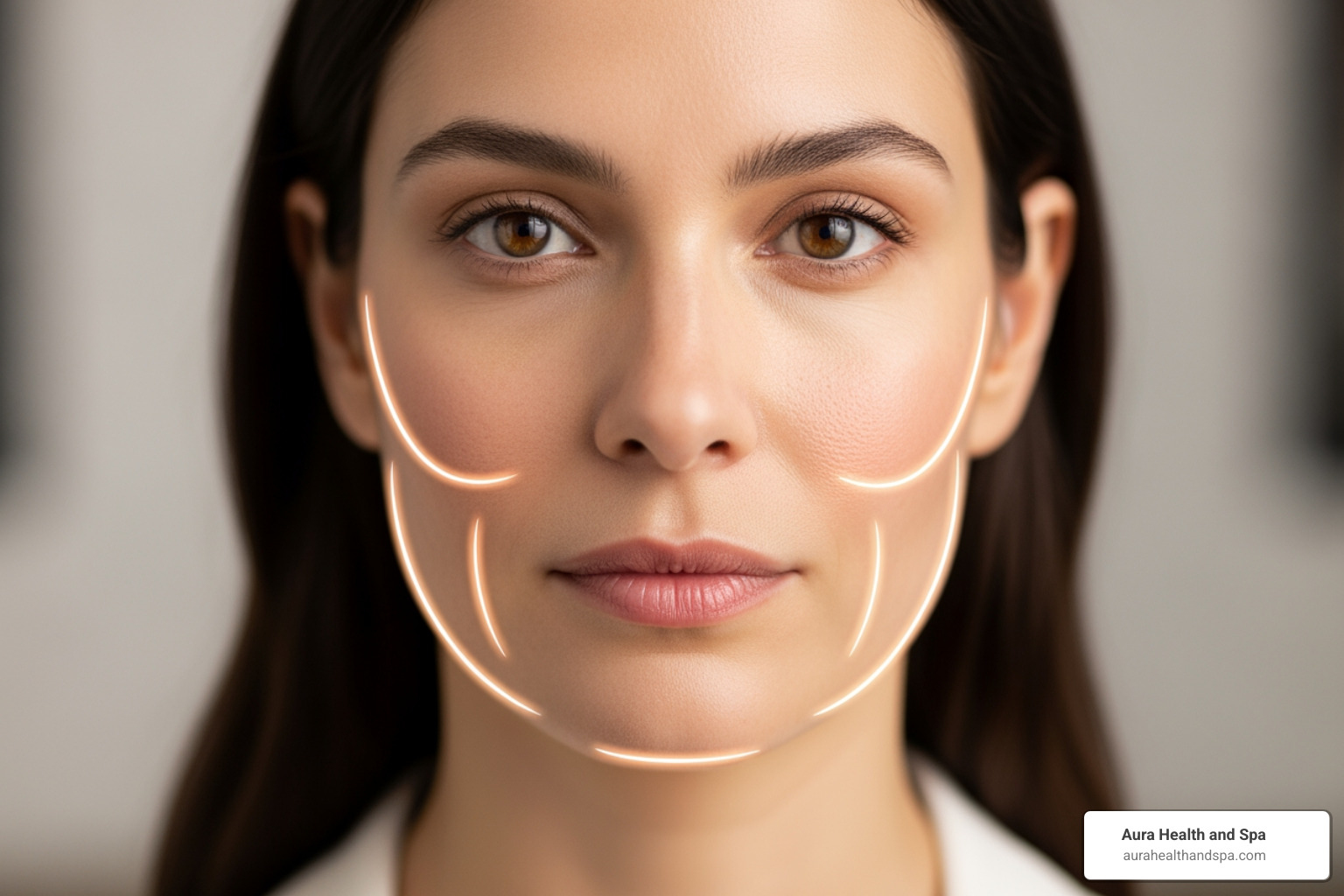
This advanced, FDA-approved technology combines two proven methods: microneedling and radiofrequency (RF) energy. The device uses tiny needles to create controlled micro-injuries, triggering your body’s natural healing and collagen production. Simultaneously, it delivers fractionated radio-frequency energy deep into the skin.
This RF energy heats the underlying tissue, causing existing collagen to contract for an immediate tightening effect while stimulating long-term collagen and elastin production. The result is a complete skin remodel from the inside out, leading to tighter skin, smoother texture, and more refined contours.
The Science Behind the Results
Morpheus8 is classified as a Subdermal Adipose Remodeling Device (SARD), meaning it reshapes both the skin and the underlying fat tissue. This is what sets it apart from traditional microneedling.
With customizable needle depths up to 4mm on the face and 8mm on the body, the treatment can precisely target different layers of skin. While standard microneedling works on the surface, Morpheus8 goes deeper and adds RF heat to remodel the skin’s foundational structure. This thermal effect tightens existing tissue, can reduce small pockets of fat, and triggers a robust healing response that continues for months.
This deep, structural approach means you’re investing in your long-term skin health, with results that develop for up to six months after your final session. Curious about how this technology could work for you? See more info about our Morpheus8 services.
What to Expect: Downtime and Recovery
One of the biggest advantages of Morpheus8 is its minimal downtime, especially when compared to surgery. This quick recovery is a major reason clients find the treatment worth the investment.

Immediately after treatment, expect your skin to look and feel like a moderate sunburn, with mild redness and swelling. This is a normal sign that the healing process has begun. For most patients, these effects are most noticeable on day one and fade significantly by day two.
The typical recovery timeline is just 1-3 days. Some people may experience slight bruising or tiny scabs, which resolve quickly. By day three or four, you can usually return to your regular routine. Post-treatment care is simple: avoid direct sun exposure, apply broad-spectrum sunscreen diligently, use gentle skincare, and skip makeup and strenuous exercise for 24-48 hours.
Many clients schedule their treatment on a Friday and are back to work on Monday looking refreshed. This balance of impressive results and quick recovery makes Morpheus8 a smart choice for busy professionals.
How Much is Morpheus8 Treatments? A Detailed Price Guide
Let’s get to the numbers. While a single price tag for how much is morpheus8 treatments doesn’t exist, we can break down the typical costs. According to RealSelf, the average patient invests around $5000 for their complete treatment plan, which usually includes multiple sessions, pre-care and post care products, for optimal results.
Your final cost will depend on the treatment area, number of sessions, provider expertise, and location. The only way to get an exact quote is through a personalized consultation where we can create a plan custom to your skin and goals. If you’re curious about other facial treatments, take a look at our More info about our Facial Treatments.
Average Cost of Morpheus8 by Treatment Area
The cost of Morpheus8 varies significantly depending on the size of the area being treated. Larger areas require more time and resources.
Here is a breakdown of typical costs:
| Treatment Area |
Average Single Session Cost |
Average 3-Session Package Cost |
| Face & Neck |
$1,500 – $2,000 |
$4,000-$5,000 |
| Eyes or Mouth |
$600 – $1,000 |
$1,800 – $2,400 |
| Body Areas (e.g., Abdomen, Thighs) |
$1,500 – $4,000 |
$2,550 – $4,000+ |
- Full Face: To address fine lines, wrinkles, and acne scars, expect to invest $1,500 to $2,000 per session.
- Face & Neck: For seamless rejuvenation, treating both areas costs $1,500 to $2,000 per session.
- Eyes or Mouth: Smaller, targeted areas are more budget-friendly, typically $600 to $1,000 per session.
- Body Areas: Treating loose skin on the abdomen, thighs, or arms is a larger investment, with single sessions from $1,500 to $4,000.
These are national averages. Your specific quote will be determined during your consultation.
For those serious about results, packages are the smartest financial choice. Most clinics offer a 10-20% discount when you purchase a series of sessions upfront. For example, a single $940 face session might be part of a three-session package totaling $2,628, reducing the per-session cost.
Beyond savings, packages align with the treatment’s nature. Morpheus8 works cumulatively. While you may see improvement after one session, the most dramatic, lasting results come from a series of 3-4 treatments spaced 4-6 weeks apart. Each session builds on the last, stimulating more collagen and creating significant change. A complete plan typically costs between $2,000 and $4,000, representing an investment in sustained, visible improvement.
Are There Hidden or Additional Costs?
Transparency is key, so it’s important to know what potential extra costs to ask about. At Aura Health & Spa, our quotes are all-inclusive, but here’s what you should clarify at any clinic:
- Numbing Cream: Prescription-strength numbing is essential for comfort. Ensure it’s included in your quote, as it can be a separate charge of $50 to $150.
- Post-Treatment Skincare: Some clinics may require the purchase of specific products, which could add $60 to $300 to your total. We provide guidance without pressure to buy.
- Maintenance Sessions: Results last 1-3 years, but many patients opt for annual touch-ups ($500 to $1,500) to maintain their look.
- Treatment Area Definition: Confirm exactly what is included in a “single area” to avoid surprise charges for small extensions.
Always ask for a written quote that details everything included in the price.
Is Morpheus8 Worth the Investment? A Value Breakdown
When asking how much is morpheus8 treatments, what you’re really asking is, “Is it worth it?” The answer often comes down to the return on your investment.
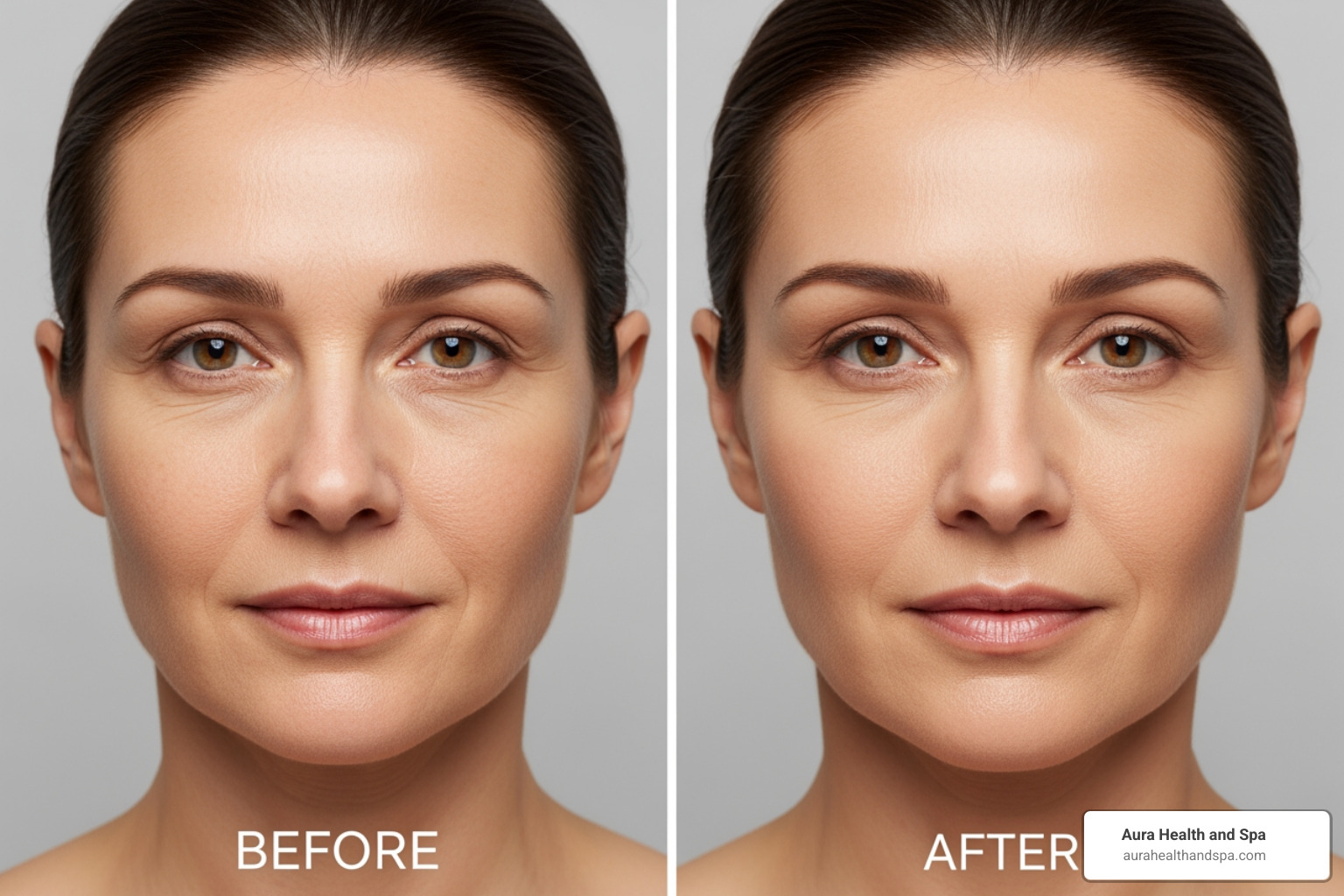
Unlike monthly creams, Morpheus8 results can last 1 to 3 years. A $2,500 treatment plan breaks down to just $70-$200 per month over the life of the results. Compare this to a surgical facelift, which costs $8,000-$15,000 and involves significant recovery time and risks. Morpheus8 offers dramatic tightening and texture improvement with only a few days of minimal downtime.
Patient satisfaction is another key measure of value. On RealSelf, Morpheus8 holds a high “Worth It” rating, with most patients reporting that their results met or exceeded expectations. The boost in confidence that comes from loving your reflection is an invaluable return.
How much is Morpheus8 treatments compared to other options?
To understand its value, let’s compare Morpheus8 to other popular treatments:
-
Traditional Microneedling: Costs $200-$700 per session. It improves surface texture but lacks the deep, collagen-remodeling power of Morpheus8’s radiofrequency energy.
-
IPL (Intense Pulsed Light): Costs $300-$600 per session. It’s excellent for pigmentation and redness but does not address skin laxity or deep wrinkles.
-
Botox & Dermal Fillers: Cost $300-$1,500 per session. These are great for relaxing wrinkles or adding volume but don’t improve overall skin quality. Morpheus8 rebuilds your skin’s foundation.
-
Laser Resurfacing: Costs $900-$5,000 per session. While effective, many lasers involve more downtime and carry a higher risk of pigmentation issues, especially for darker skin tones. Morpheus8 is generally safe for all skin types.
Morpheus8 stands out for its comprehensive approach, addressing tightening, texture, wrinkles, and scars in one treatment. Its ability to penetrate deeper than most non-surgical devices means you get significant results, making it highly cost-effective over time.
Financing Your Glow-Up: Payment Options and Special Offers
Fitting your treatment into your budget is important. We offer several flexible options to make your investment manageable.
-
Third-Party Financing: Companies like CareCredit, Cherry, PatientFi, and Alphaeon offer payment plans, many with 0% APR for a promotional period. You can often get approved in seconds with low monthly payments.
-
In-House Payment Plans: We offer plans for treatment packages, allowing you to spread the cost over several months, often with zero interest.
-
HSA/FSA Funds: You may be able to use your Health Savings Account (HSA) or Flexible Spending Account (FSA) pre-tax dollars, especially if addressing a medical concern like acne scarring. Check with your plan administrator for eligibility.
-
Package Deals & Specials: Purchasing a package saves you 10-20% upfront. Also, keep an eye on our Specials & Events page for seasonal promotions.
We will review all these options during your consultation to find a plan that works for you.
Frequently Asked Questions about Morpheus8 Costs
Here are answers to the most common questions we hear about how much is morpheus8 treatments and what to expect from the process.
How many Morpheus8 sessions are needed for the best results?
For the most dramatic and lasting results, we recommend a series of 3 to 4 sessions. These are typically spaced 4-6 weeks apart to allow your skin to heal and build new collagen between treatments.
The exact number of sessions depends on your specific goals. Mild texture issues may only require 3 sessions, while more significant skin laxity or deep acne scarring could benefit from 4 or more. This is why purchasing a package is often the most cost-effective approach, as it aligns with the recommended treatment plan and usually includes a 10-20% discount.
After your initial series, many clients choose an annual maintenance session ($500-$1,500) to preserve their results.
How long do Morpheus8 results last?
One of the best parts of Morpheus8 is the longevity of the results. While you’ll see initial improvements quickly, your skin will continue to produce new collagen and elastin, with final results appearing over 3 to 6 months.
The full effects of a Morpheus8 series typically last 1 to 3 years. The exact duration depends on your age, lifestyle, and skincare routine. Protecting your investment with daily sunscreen (SPF 30+) is crucial. You can also extend your results by adopting habits that boost collagen production, like staying hydrated and using products with vitamin C or retinoids.
Is Morpheus8 painful?
Patient comfort is a top priority. We take several steps to ensure your treatment is as comfortable as possible. Before your session, we apply a prescription-strength topical numbing cream for 30-45 minutes to numb the treatment area effectively.
Most clients describe the sensation as a light pricking feeling with a deep warmth from the radiofrequency energy. Some areas, like around the eyes and mouth, can be more sensitive, but the feeling is generally very manageable. Our providers will check in with you throughout the procedure and can adjust settings to ensure your comfort. The cost of numbing cream is included in your treatment price, so there are no surprise fees for comfort.
Your Path to Refreshed Skin Starts Here
Now that you understand how much is morpheus8 treatments truly costs, you’re ready to make an informed decision about this transformative procedure. But here’s what matters most: Morpheus8 isn’t just about the price tag—it’s about investing in yourself, your confidence, and the long-term health of your skin.
When you look in the mirror and see tighter, smoother, more radiant skin, that’s when the real value becomes clear. The compliments you’ll receive. The confidence boost when you walk into a room. The satisfaction of knowing you made a smart choice that delivers visible results without surgery or extensive downtime. These benefits extend far beyond the initial investment.
At Aura Health & Spa, serving Plymouth, Sterling Heights, Ann Arbor, and the greater Metro Detroit area, we believe confidence starts with results you can see. That’s why we’re committed to transparent pricing from day one—no hidden fees, no surprise charges, just honest conversations about what you need and what you’ll pay. Our medically trained staff combines clinical expertise with genuine care, ensuring every treatment is safe, effective, and customized to your unique goals.
Your skin is unique, and it deserves a personalized approach. During a consultation, we’ll assess your specific concerns, discuss realistic outcomes, and create a treatment plan that aligns with both your goals and your budget. We’ll answer every question you have about how much is morpheus8 treatments will cost for your particular needs, explain what’s included, and help you explore financing options if needed.
Ready to take the next step toward the refreshed, youthful skin you’ve been dreaming about? Book your personalized Morpheus8 consultation today and find how we can help you achieve results that make you love your reflection again. We’re here to support you every step of the way.
Have questions or want to learn more about our other services? Contact us—we’d love to hear from you and help you begin your journey to radiant, confident skin.
by Dr. Reema Sethi | Nov 13, 2025 | Skincare
Understanding Hair Follicle Health and Restoration
How to restore hair follicles is possible through several proven approaches:
- Medical Treatments: FDA-approved medications like minoxidil and finasteride can reactivate dormant follicles.
- In-Office Procedures: PRP therapy, laser treatments, and microneedling stimulate follicle regeneration.
- Natural Methods: Scalp massage, essential oils, and targeted supplements support follicle health.
- Lifestyle Changes: Stress management and a balanced diet create optimal conditions for regrowth.
- Early Intervention: Starting treatment early maximizes success rates.
Hair loss doesn’t have to be permanent. When you notice thinning hair, it’s natural to feel distressed. But here’s what most people don’t realize: hair follicles can stop functioning and then begin functioning again.
Your scalp contains over a million hair follicles. While most are actively growing hair, others enter a dormant or resting phase. This can lead to thinning and visible hair loss. The good news is that most inactive follicles aren’t dead—they’re just sleeping. With the right approach, many can be awakened.
The causes vary widely, from genetics and hormones to stress and nutritional deficiencies. What matters most is this: the earlier you act, the better your results. Follicles that have been inactive for years become harder to revive, but when caught early, many treatment options can help restore your hair’s vitality.
I’m Dr. Reema Sethi, a board-certified physician with over 15 years of experience and specialized training in medical aesthetics. At Aura Health and Spa, I help patients understand how to restore hair follicles through personalized treatment plans that combine medical science with holistic wellness. My goal is to help you achieve safe, effective results that make you feel like the best version of yourself.
The Science of Hair: Follicle Function and Causes of Loss
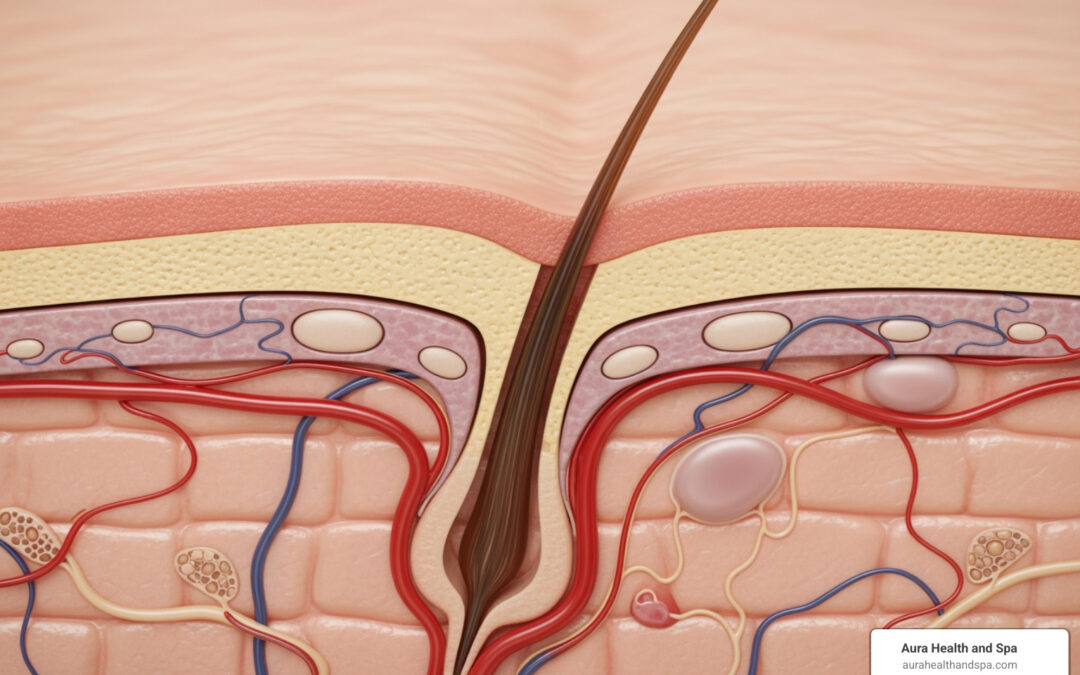
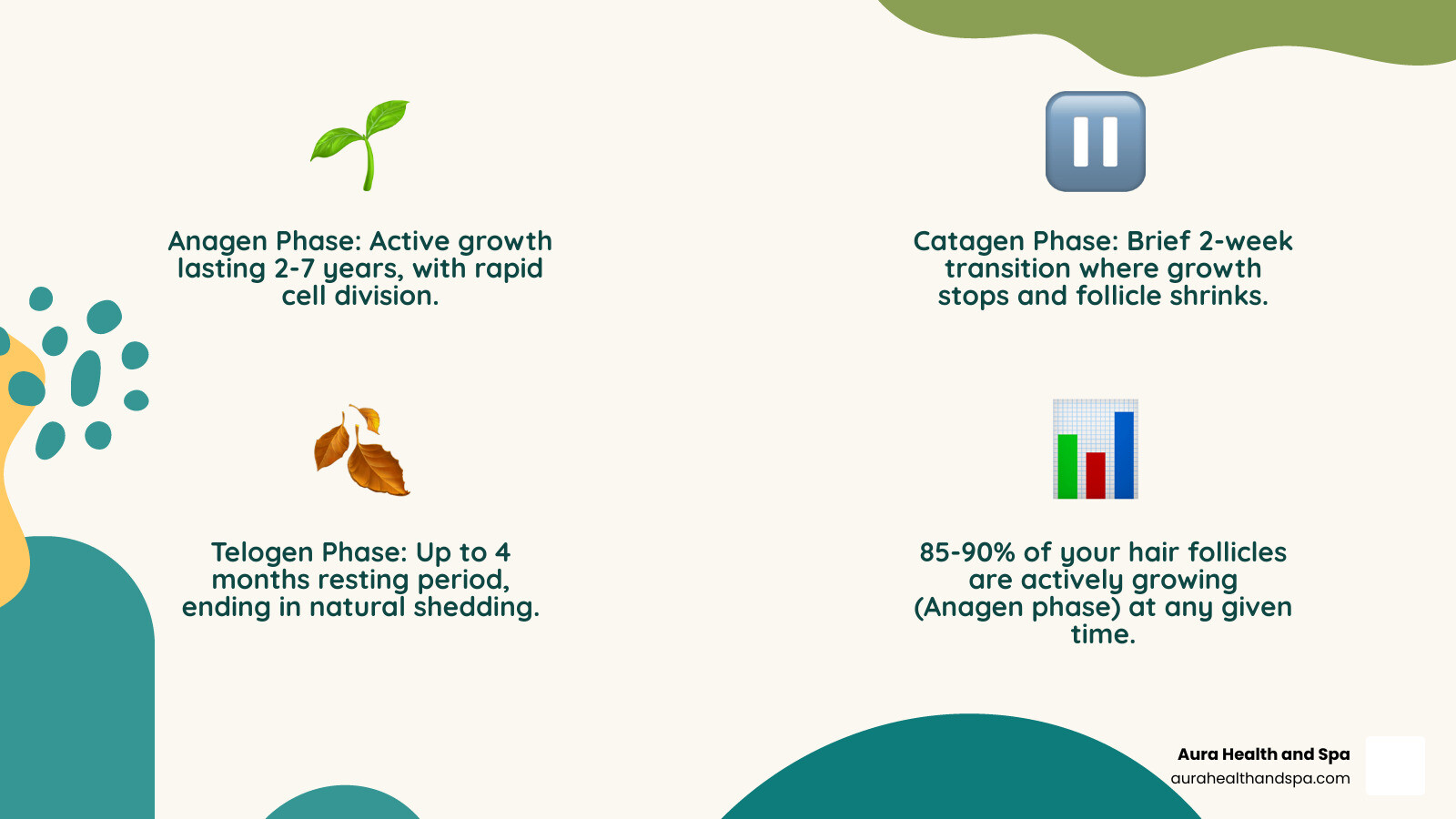
Think of your hair follicles as tiny factories beneath your skin’s surface. These tube-like structures produce hair, help repair skin, and form new blood vessels. Your hair grows in a three-phase cycle:
- Anagen Phase: The active growth period, lasting 2-7 years. About 85-90% of your follicles are in this phase.
- Catagen Phase: A brief two-week transition where growth stops.
- Telogen Phase: A resting period of up to four months, after which the hair sheds and the cycle restarts.
When discussing how to restore hair follicles, it’s crucial to know the difference between dormant and dead follicles. A dormant follicle has temporarily stopped producing hair but can be awakened. A dead follicle is scarred and has permanently lost its ability to grow hair. The encouraging news is that most thinning hair involves dormant follicles, meaning restoration is genuinely possible.
Common Causes of Hair Follicle Damage
To restore hair follicles, we must first understand what causes them to struggle. Identifying the trigger is key to effective treatment.
- Androgenetic Alopecia: Known as male- or female-pattern baldness, this is a genetic condition where the hormone DHT causes follicles to shrink.
- Telogen Effluvium: This is a sudden, widespread shedding often triggered by significant physical or emotional stress, such as severe illness, surgery, or thyroid problems. It’s usually temporary.
- Stress: Chronic stress can push more follicles into the resting (telogen) phase prematurely, leading to increased shedding.
- Hormonal Changes: Pregnancy and childbirth commonly cause temporary hair loss that typically resolves as hormone levels stabilize.
- Alopecia Areata: An autoimmune condition where the immune system attacks hair follicles, causing patchy hair loss. Corticosteroid injections are often effective.
- Traumatic Alopecia: This results from physical damage due to tight hairstyles, harsh chemical treatments, or scalp injuries.
- Nutritional Deficiencies: A lack of essential nutrients like iron, zinc, and B vitamins can impair follicle function. Conversely, too much vitamin A or E can also trigger hair loss.
Understanding How to Restore Hair Follicles After Damage
Your hair follicles are remarkably resilient and can often resume function after being inactive. Whether hair loss is temporary or permanent depends on the cause and extent of the damage. Conditions like telogen effluvium are usually temporary, with hair regrowing once the trigger is addressed. However, advanced androgenetic alopecia or severe scarring can cause permanent damage.
This is why early intervention is so critical. The sooner you address thinning, the better your chances of reactivating dormant follicles. A professional diagnosis is the crucial first step to creating an effective treatment plan for your unique situation.
Medical Treatments: How to Restore Hair Follicles Clinically
When you’re ready to take serious action on how to restore hair follicles, consulting a specialist is the next step. At Aura Health and Spa, with locations in Plymouth, Sterling Heights, and Ann Arbor, we create personalized treatment plans using scientifically-backed, FDA-approved treatments.
Medications for Hair Regrowth
Two medications are the gold standard for hair restoration:
- Minoxidil (Rogaine): This over-the-counter topical treatment (foam or liquid) works by pushing follicles into the active growth phase and increasing blood flow to the scalp. It’s a common starting point for both men and women.
- Finasteride: This prescription medication blocks DHT, the hormone responsible for shrinking follicles in androgenetic alopecia. It is highly effective, especially for men under 60. A 2020 review of clinical trials confirmed that combining oral finasteride with topical minoxidil yields superior results.
In-Office Procedures and Therapies
For more advanced solutions, several in-office procedures can make a remarkable difference.
- Platelet-Rich Plasma (PRP): We inject a concentration of your own blood platelets into the scalp. These growth factors extend the hair’s growth phase and awaken dormant follicles. Learn more about the benefits of PRP for hair loss recovery and understand the average treatment costs.
- Low-Level Laser Therapy (LLLT): This FDA-approved treatment uses specific light wavelengths to energize follicles at a cellular level, promoting growth. Explore our Folix Laser Technology to see how it could work for you.
- Microneedling: This procedure creates tiny, controlled injuries to the scalp, triggering a healing response that increases blood flow and activates stem cells. It also improves the absorption of topical treatments like minoxidil.
- Ultra+with DERIVE: This procedure pushes exosomes deep into the scalp, triggering a healing response that increases blood flow and activates stem cells.
Timelines, Expectations, and Potential Side Effects
Restoring hair follicles requires patience. With medications like minoxidil and finasteride, expect to wait at least six months for noticeable results, with full effects taking up to a year. Consistency is crucial; skipping treatments can set back your progress.
Potential side effects are possible. Minoxidil can cause scalp irritation or dryness. Finasteride may cause sexual side effects in a small percentage of men. PRP and microneedling are very safe, with temporary redness or swelling being the most common effects. Always discuss potential risks with your healthcare provider before starting any treatment.
Natural and Lifestyle Approaches to Revive Hair Follicles
Medical treatments are powerful, but a holistic approach to how to restore hair follicles often yields the most lasting results. This means treating your whole body, not just your scalp.
Think of your scalp as the soil for your hair. A healthy scalp environment is essential for growth. Simple, natural practices can transform your scalp into fertile ground for regrowth.

The Role of Diet and Supplements
Your hair is built from the nutrients you consume. A balanced diet rich in protein, whole grains, fruits, and vegetables provides the foundation for healthy hair. Key nutrients include:
- Iron: Deficiency is a common cause of hair loss, especially in women.
- Zinc: Supports hair tissue growth and repair.
- B Vitamins (especially Biotin): Help carry oxygen and nutrients to the scalp.
- Vitamin C: Aids iron absorption and collagen production.
- Vitamin D: Influences hair follicle cycling.
- Omega-3 & Omega-6 Fatty Acids: Nourish follicles.
Supplements like biotin, Viviscal, and red ginseng may support hair growth, but it’s important not to overdo it. Excessive intake of vitamins A and E can cause hair loss. Always consult a professional before starting a new supplement, as explained by Harvard Health’s look at the connection between vitamins and hair loss.
Natural Methods for How to Restore Hair Follicles at Home
Scalp massage is a simple yet effective technique. Studies show that daily massage can increase hair thickness by improving blood circulation to the follicles. Use your fingertips to apply gentle pressure in small circles on thinning areas.

Frequently Asked Questions about Hair Follicle Restoration
When we talk with clients at our Plymouth, Sterling Heights, and Ann Arbor locations, we hear the same questions about how to restore hair follicles. Let’s walk through the answers.
Can dead hair follicles be reactivated?
This is where an important distinction offers hope. A dormant follicle is alive but resting, like a hibernating animal. It can be awakened with the right treatments. A dead follicle, however, has been replaced by scar tissue from inflammation or injury and cannot be revived. Fortunately, most hair loss involves dormant follicles, which can be reactivated. For areas with dead follicles, hair transplantation is an effective surgical option.
How long does it take to see results from hair restoration treatments?
Patience is key. Hair grows slowly, so results take time to become visible.
- Medications (Minoxidil/Finasteride): You may notice less shedding in 3-6 months, with more significant results appearing in 9-12 months.
- In-Office Procedures (PRP, LLLT): A similar timeline applies, with improvements often seen around the six-month mark after your initial series of treatments.
- Natural Methods: These approaches generally work more slowly, with results varying over 6-12 months.
Across all methods, consistency is the single most important factor for success.
When should I see a doctor for hair loss?
It’s always wise to seek professional guidance if you’re concerned, but you should definitely see a doctor in these situations:
- You experience sudden or patchy hair loss.
- Your hair loss is accompanied by pain, itching, redness, or scaling on the scalp.
- Over-the-counter treatments haven’t worked after several months of consistent use.
- You suspect your hair loss is linked to an underlying health issue like a thyroid disorder or autoimmune condition.
A doctor can perform tests to pinpoint the cause of your hair loss and recommend the most effective treatment plan. The American Academy of Dermatology offers additional tips for managing hair loss that you may find helpful.
Conclusion: Your Path to Healthier, Fuller Hair
If you’ve been watching your hair thin, know this: you have more options than you might think. We’ve explored the science behind why follicles stop producing hair and, more importantly, the proven ways to bring them back to life.
Medical treatments like minoxidil, finasteride, and PRP therapy are clinically validated approaches that have helped countless people. At the same time, how to restore hair follicles isn’t just about what happens in a doctor’s office. Natural approaches—nourishing your body, massaging your scalp, and managing stress—create the healthy environment your follicles need to thrive.
This is where our philosophy at Aura Health and Spa comes into play. We believe true wellness comes from addressing the whole person. By combining medical expertise with holistic practices like energy work and meditation, we help create more profound and lasting results.
Your hair restoration journey is unique. A personalized plan that identifies and addresses your specific cause of hair loss is essential. Most inactive follicles aren’t dead; they’re sleeping. With the right combination of treatments and support, many can be awakened. The key is starting now.
Here in Plymouth, Sterling Heights, and Ann Arbor, Michigan, we’re ready to walk this path with you. We’ll help you understand your options and support you with both clinical expertise and compassionate care.
If you’re ready to take the next step toward healthier, fuller hair, we’d love to help. Find more info about our holistic wellness services and see how we can support your journey to feeling like yourself again—inside and out.
by Dr. Reema Sethi | Nov 13, 2025 | Skincare
Why Your Body’s Own Healing Power Holds the Key to Radiant Skin
Blood plasma face treatment is a natural, regenerative approach to skin rejuvenation that uses your own blood’s healing properties to address wrinkles, scars, and aging skin. Here’s a quick overview:
- What it is: A procedure that extracts platelet-rich plasma (PRP) from your blood and reintroduces it to your skin through microneedling or injection.
- How it works: Concentrated growth factors stimulate collagen production and cellular repair.
- What it treats: Fine lines, acne scars, sun damage, hyperpigmentation, large pores, and under-eye circles.
- Treatment timeline: 3-4 sessions spaced 4-6 weeks apart, with results lasting 12-18 months.
- Average cost: $250-$1,500 per session (not covered by insurance).
- Recovery: Minimal downtime of 24-48 hours with mild redness and swelling.
As the global market for noninvasive esthetic treatments grows (reaching $61.2 billion in 2022), more people are seeking natural alternatives. Blood plasma face treatment—often called a “vampire facial”—is a leading option because it harnesses your body’s own regenerative abilities.
This treatment aligns with holistic wellness by using your blood’s own growth factors—the same ones that heal wounds—to restore your skin’s vitality from within.
I’m Dr. Reema Sethi, a board-certified physician with over 15 years of experience. At Aura Health and Spa in Plymouth, Michigan, I combine my medical expertise with extensive aesthetics training to deliver safe, effective blood plasma face treatment that honors your body’s healing wisdom.
The Science and Art of Blood Plasma Face Treatment
Blood plasma face treatment harnesses your blood’s remarkable healing power and redirects it toward rejuvenating your skin.
At the heart of this treatment is Platelet-Rich Plasma (PRP). This golden serum is packed with platelets, which contain hundreds of powerful growth factors. These growth factors act as messengers, telling your skin cells to start rebuilding. They trigger the production of collagen and elastin, the proteins responsible for firm, youthful skin. Since our bodies produce less of these proteins as we age, PRP treatments remind your skin how to rebuild itself from within.
What Is a Blood Plasma Face Treatment and How Is It Prepared?
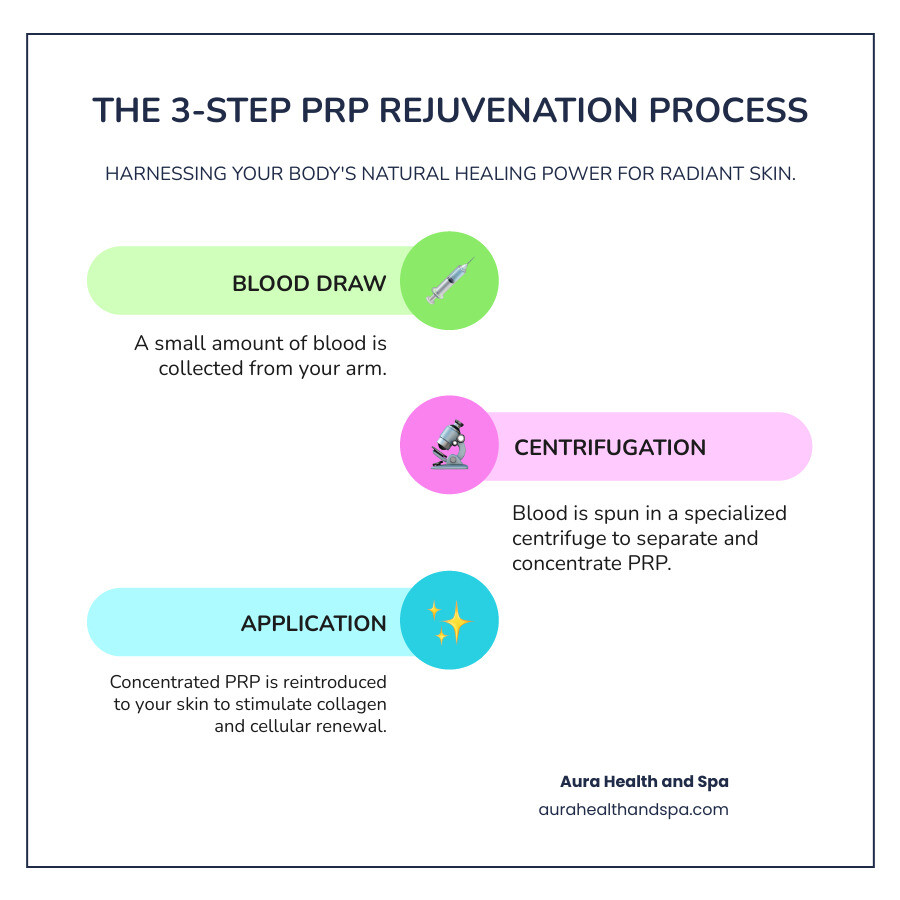
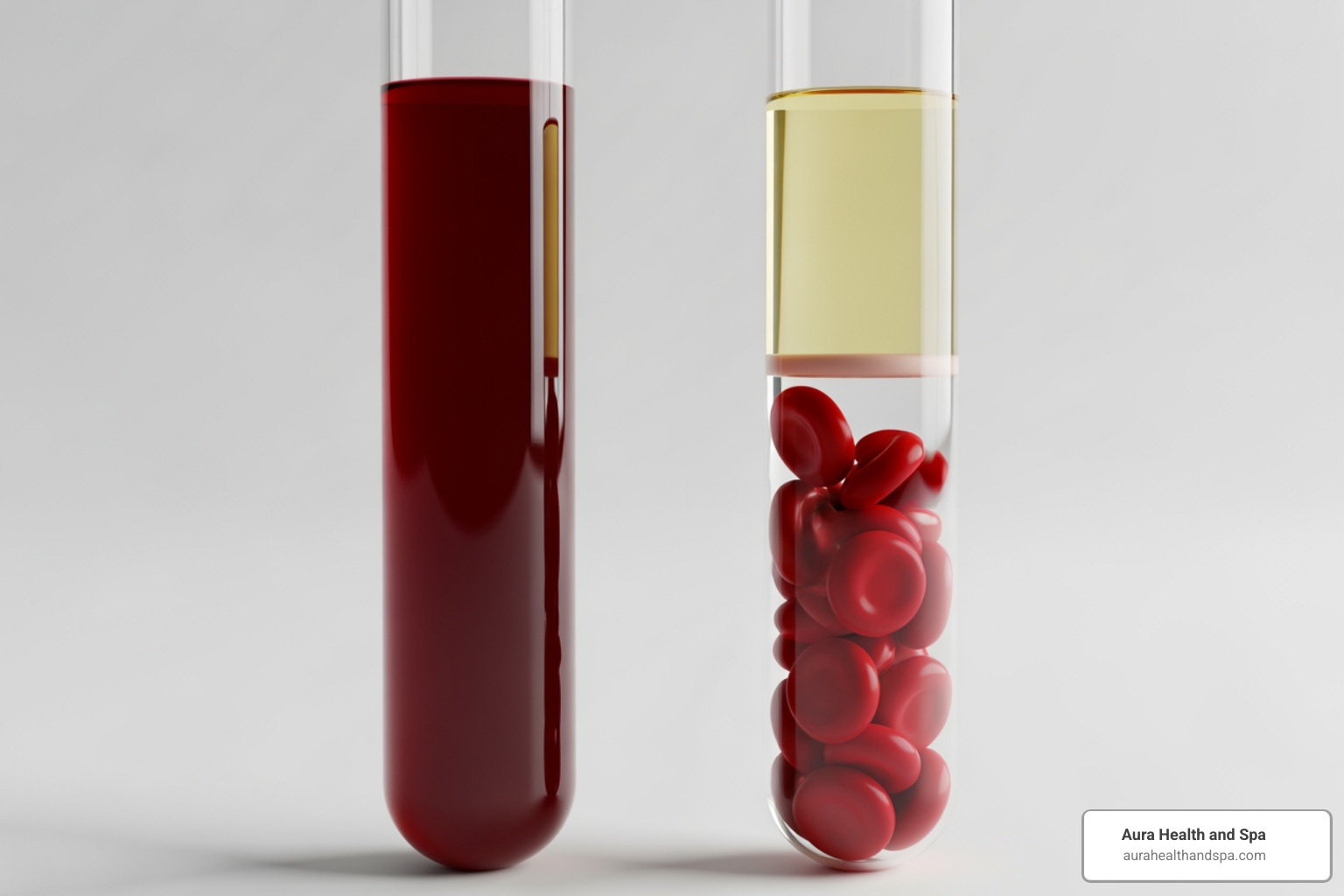
A blood plasma face treatment begins with a simple blood draw from your arm, about 2 to 4 tablespoons. Your blood sample is placed in a centrifuge, which spins at high speeds to separate the components by density.
The heavier red blood cells settle at the bottom, while the lighter plasma rises to the top. In the middle sits a concentrated layer of golden Platelet-Rich Plasma. This layer contains platelet concentrations four to eight times higher than what’s normally in your bloodstream.
This concentrated formula is what makes the treatment so effective. We are simply concentrating the healing components already present in your blood. The entire process follows strict sterile protocols, and because we use your own blood, there’s virtually no risk of allergic reactions. The scientific evidence for PRP in dermatology continues to grow, confirming its benefits. For more on its uses, see our guide on Understanding PRP Injections.
How Does PRP Refresh the Skin?
When PRP is reintroduced to your skin, its growth factors trigger a cascade of healing processes. The most significant effect is neocollagenesis, or new collagen creation. Your skin’s fibroblasts (collagen-producing cells) ramp up production, rebuilding your skin’s foundation from the inside out.
PRP also stimulates elastin production, which gives skin its ability to bounce back. Additionally, it improves blood flow to the treated areas, delivering more oxygen and nutrients to your skin cells. The result is a comprehensive cellular repair process that addresses multiple signs of aging at once, using your body’s innate healing energy.
Types of PRP Treatments: Facial vs. Facelift
You’ll likely encounter two terms: the “Vampire Facial” and the “Vampire Facelift.” Both use PRP but work in different ways.
The Vampire Facial focuses on skin surface quality—texture, tone, and radiance. We spread PRP across your face and use a microneedling device to create tiny channels in your skin. This triggers healing and allows the PRP to penetrate deeply, making it effective for acne scars, fine lines, and large pores.
The Vampire Facelift is a more comprehensive approach that combines PRP injections with hyaluronic acid dermal fillers. The filler provides immediate volume and contouring, while the PRP is injected deeper to stimulate long-term collagen growth and address structural concerns like volume loss. The Cleveland Clinic offers a look at the Vampire Facelift for more details.
Here’s a quick comparison:
| Feature |
Vampire Facial (PRP Facial) |
Vampire Facelift (PRP Facelift) |
| Target Issues |
Surface concerns: acne scars, fine lines, pigmentation, texture, dullness |
Volume loss, deeper wrinkles, facial contouring, skin laxity, overall rejuvenation |
| Method |
PRP applied topically, absorbed via microneedling |
PRP injected, combined with hyaluronic acid dermal fillers |
| Best For |
Improving skin texture, tone, and radiance; scar reduction |
Restoring lost volume, contouring, and addressing deeper signs of aging |
During your consultation at Aura Health and Spa, we’ll help you determine which approach best suits your unique skin concerns and goals.
Opening up the Benefits: What Can PRP Do for Your Skin?
At Aura Health and Spa, we believe in empowering your body’s natural healing to reveal radiant skin. Blood plasma face treatment is a prime example of this philosophy.
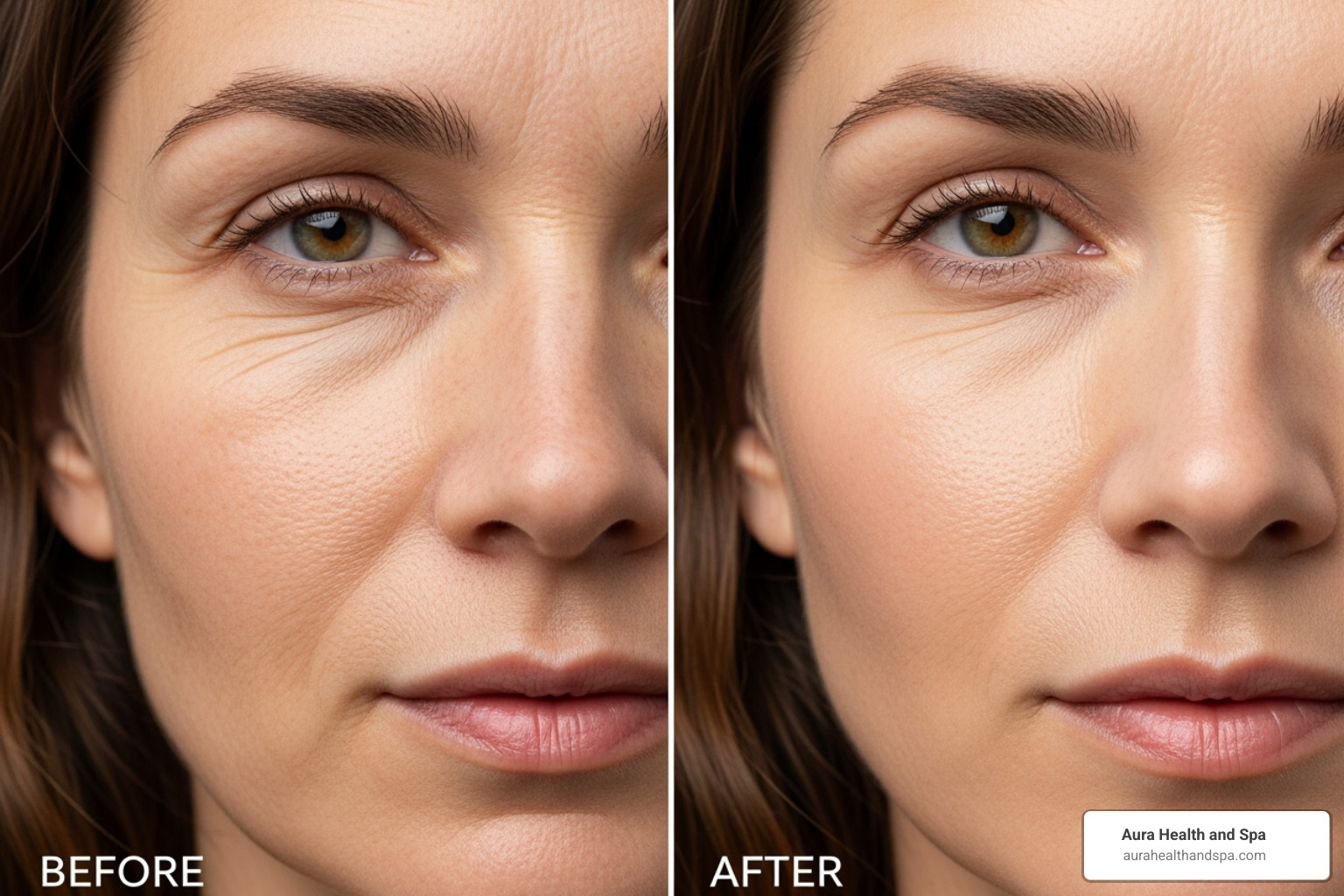
PRP treatment gives your body the tools to repair and refresh itself. The concentrated growth factors in your plasma improve skin texture and tone, increase firmness, and restore your skin’s natural radiance—a healthy glow that comes from within. It’s not about masking problems; it’s about helping your skin become its healthiest self.
Specific Skin Concerns Addressed by PRP
The versatility of blood plasma face treatment allows it to address a wide range of common skin concerns by stimulating cellular repair and collagen production.
- Fine lines and wrinkles: PRP encourages new collagen and elastin production to naturally smooth lines around the eyes, mouth, and forehead.
- Acne scars: PRP, especially when combined with microneedling, can significantly diminish the appearance of depressed scars by promoting tissue regeneration.
- Sun damage and hyperpigmentation: The treatment helps minimize sunspots and uneven patches while easing inflammation and redness.
- Large pores: PRP improves overall skin texture, making large pores appear less visible.
- Under-eye circles and tear troughs: PRP can lighten dark circles and smooth the delicate under-eye area for a more refreshed appearance.
- Skin laxity: By boosting collagen and elastin, PRP helps create tighter, firmer skin on the face, neck, and décolletage.
- Dull or tired complexion: PRP revitalizes the skin by enhancing cellular turnover and blood supply, restoring a radiant glow.
PRP’s benefits extend beyond the face, as seen in our article on PRP for hair loss recovery.
Comparing Blood Plasma Face Treatment with Other Procedures
What sets blood plasma face treatment apart is its holistic approach, leveraging your body’s own biology for rejuvenation.
-
PRP vs. Microneedling alone: While microneedling stimulates collagen, adding PRP significantly amplifies the results. The growth factors in PRP penetrate the micro-channels created by microneedling, accelerating healing and boosting collagen production far beyond what microneedling can achieve alone.
-
PRP vs. Dermal Fillers: These treatments have different philosophies. Fillers use substances like hyaluronic acid to provide immediate volume. PRP works more gradually, improving the skin’s quality from within by stimulating your body’s natural healing response. Fillers add volume externally, while PRP triggers internal repair.
-
Autologous Benefits: Because PRP uses your own blood, the risk of allergic reactions is dramatically lower compared to treatments with synthetic ingredients. This is a key advantage for patients in Plymouth, Sterling Heights, and Ann Arbor, Michigan, who seek a natural path to rejuvenation.
PRP and fillers can also be used together for improved results. The beauty of PRP is that it works in harmony with your body, a principle we explore further in our comparison of PRP vs. Traditional Techniques in Hair Restoration.
Your Journey to Rejuvenation: The PRP Procedure and Recovery
Your blood plasma face treatment journey at Aura Health and Spa is designed to be comfortable and straightforward. It begins with a personalized consultation to discuss your goals and ensure PRP is right for you.
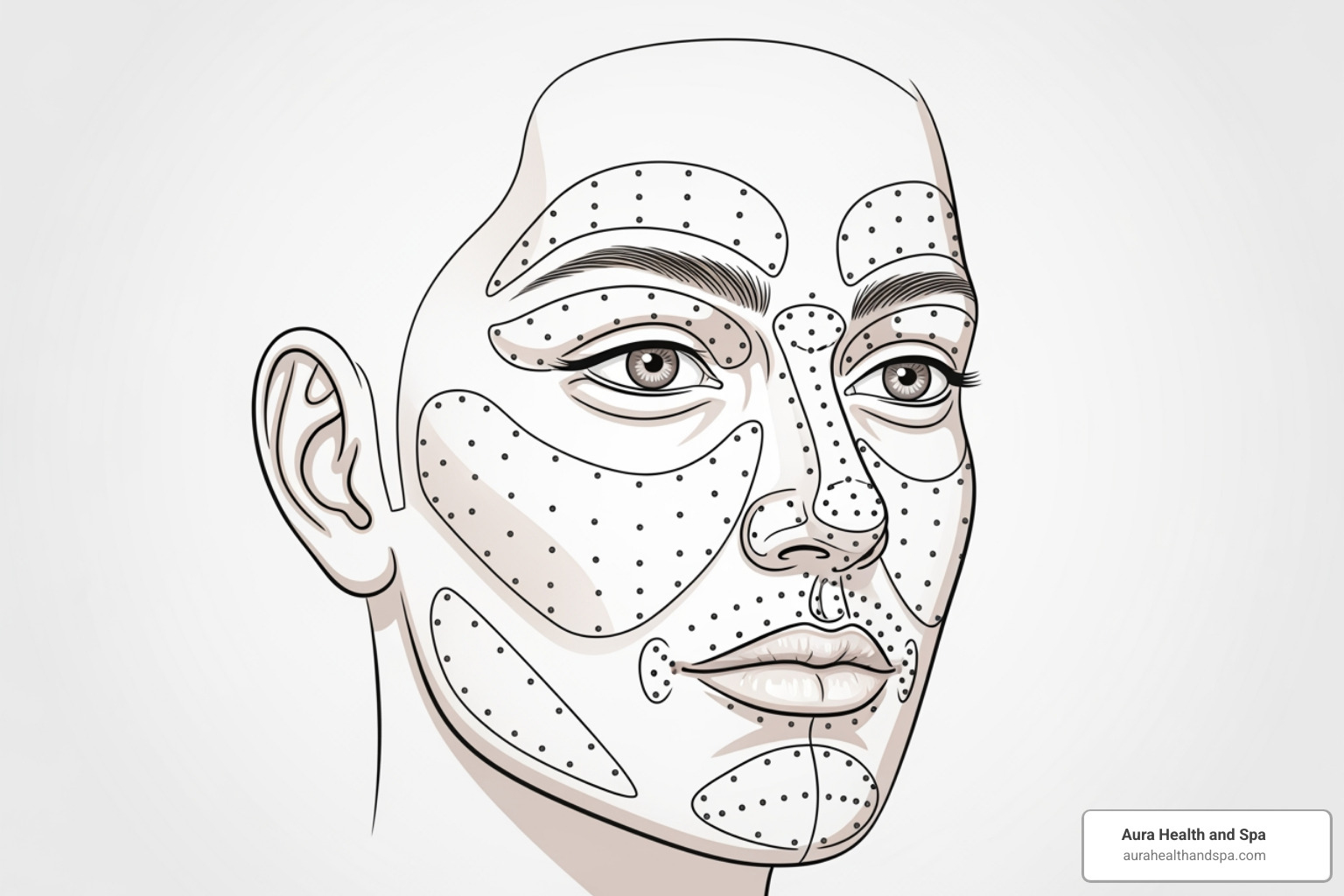
The procedure itself is minimally invasive, taking 60-90 minutes. We apply a topical numbing cream to ensure your comfort, with most patients reporting only mild pressure or tingling. While you numb, we draw a small amount of blood and prepare your PRP. Once ready, we apply the PRP through microneedling or injections, depending on your treatment plan. Our skilled practitioners in Plymouth, Sterling Heights, and Ann Arbor, Michigan, perform every step with precision and care.
What to Expect During and After Treatment
Immediately after your blood plasma face treatment, your skin will likely be red and slightly swollen, similar to a post-workout flush. This is a normal sign that the healing response has been activated and typically fades within 24 to 48 hours. Some bruising may also occur, resolving within a week.
Downtime is minimal, with most patients returning to regular activities in a day or two. Proper aftercare is essential for the best results. For the first 24-48 hours, avoid harsh skincare products, makeup, and strenuous exercise. Key aftercare steps include:
- Sun Protection: Use a high-quality sunscreen (SPF 50+) and avoid direct sun exposure.
- Gentle Skincare: Use a gentle, fragrance-free cleanser and lukewarm water.
- Hydration: Drink plenty of water to support your body’s healing processes.
- Swelling Management: Use cool compresses and sleep with your head liftd.
During your consultation, we will discuss any medications like aspirin or NSAIDs that may need to be paused. For more detailed guidance, see our resource on PRP injections aftercare tips.
Treatment Plan and Longevity of Results
Blood plasma face treatment works with your body’s natural timeline, so results appear gradually. You may notice an initial glow within a few weeks, but the most significant improvements in collagen and skin quality appear over the following months, with peak results around three to six months.
For optimal results, we typically recommend a series of three or more treatment sessions, spaced four to six weeks apart. This schedule allows your skin to build new collagen between sessions while maintaining regenerative momentum.
The results are long-lasting, typically visible for 12 to 18 months. To maintain your radiant skin, we recommend maintenance treatments once or twice a year. Your individual treatment plan will be customized based on your age, skin condition, and goals. For more insight into outcomes, explore our article on PRP injection success rates.
Important Considerations: Safety, Candidacy, and Cost
At Aura Health and Spa, we believe in complete transparency regarding the safety, candidacy, and cost of blood plasma face treatment.
PRP is set apart by its autologous nature—it uses your own blood, which dramatically reduces the risk of allergic reactions or rejection. While the FDA has cleared the equipment used to produce PRP, the cosmetic applications are still considered investigational. This makes choosing an experienced provider, like the medical team at Aura Health and Spa serving Plymouth, Sterling Heights, and Ann Arbor, Michigan, crucial for your safety and results.
Is PRP Safe? Risks and Potential Side Effects
Because PRP uses your own blood, it is remarkably safe. Common, temporary side effects are a sign the healing process has begun and may include mild soreness, redness, swelling, and bruising at the treatment site. These typically resolve within a few days.
More serious complications like infection, nerve damage, or tissue damage are rare, especially when treatment is performed by experienced practitioners following strict sterile protocols. A thorough consultation where we review your medical history is key to minimizing these risks. We offer a comprehensive guide on the side effects of PRP injections for our Michigan community.
Who Is a Good Candidate for PRP?
Most people in good general health who are seeking a natural approach to skin rejuvenation are great candidates for blood plasma face treatment. The ideal candidate has realistic expectations, understanding that PRP offers gradual, natural-looking improvement.
However, PRP is not suitable for everyone. You may not be a candidate if you have:
- Active infections, skin cancer in the treatment area, or certain blood disorders (e.g., clotting issues, severe anemia).
- Uncontrolled medical conditions like diabetes, hepatitis C, HIV/AIDS, or some autoimmune diseases.
- A history of taking blood-thinning medications, immunosuppressive drugs, or recent isotretinoin use.
- If you are pregnant or breastfeeding.
These contraindications are for your safety. During your consultation at Aura Health and Spa, we’ll review your health history to determine if PRP is your best path forward. For additional guidance, you can consult a board-certified dermatologist through resources like find a dermatologist.
The Cost of PRP Facials
Let’s talk about the investment. The cost of blood plasma face treatment varies based on the provider’s expertise, the specific treatment (Vampire Facial vs. Facelift), and your location in Michigan.
Typically, each PRP facial session ranges from $250 to $1,500. A full treatment series often requires three or more sessions. It’s important to know that blood plasma face treatment is considered a cosmetic procedure and is not covered by insurance. This is standard for aesthetic treatments that are not medically necessary.
At Aura Health and Spa, we provide transparent pricing during your consultation at our Plymouth, Sterling Heights, or Ann Arbor locations. We’ll give you a detailed cost breakdown based on your personalized treatment plan. You are investing in your body’s own healing potential and the expertise of practitioners who care about your natural, holistic wellness.
Conclusion
As we’ve explored, blood plasma face treatment harnesses your body’s own healing power. By using the concentrated growth factors in your platelet-rich plasma, we amplify your natural ability to restore and refresh your skin without foreign or synthetic substances.
This approach is about empowering your body’s inherent regenerative abilities. It addresses fine lines, acne scars, and sun damage by working in harmony with your body’s natural rhythms. The results unfold gradually, leading to improvements that look and feel authentically you—refreshed, radiant, and revitalized.
At Aura Health and Spa, our practice is built on the principle that true wellness comes from within. Our approach integrates medical expertise with a holistic understanding of wellness. Dr. Reema Sethi brings over 15 years of clinical experience to every treatment, ensuring your blood plasma face treatment is both effective and aligned with your broader health goals.
For our patients in Plymouth, Sterling Heights, and Ann Arbor, Michigan, this means choosing a natural, holistic path to rejuvenation that respects your body’s capacity for self-renewal.
We invite you to be part of our wellness journey. A personalized consultation will allow us to create a treatment plan customized for you. Let’s find how your own plasma can open up glowing, youthful skin—naturally and beautifully.
Ready to experience the transformative power of your body’s own healing energy? Explore our advanced PRP and Sculptra treatments and schedule your consultation today. Your radiant future is waiting.
by Dr. Reema Sethi | Nov 13, 2025 | Skincare
Understanding the Safety of Under-Eye Filler Treatments
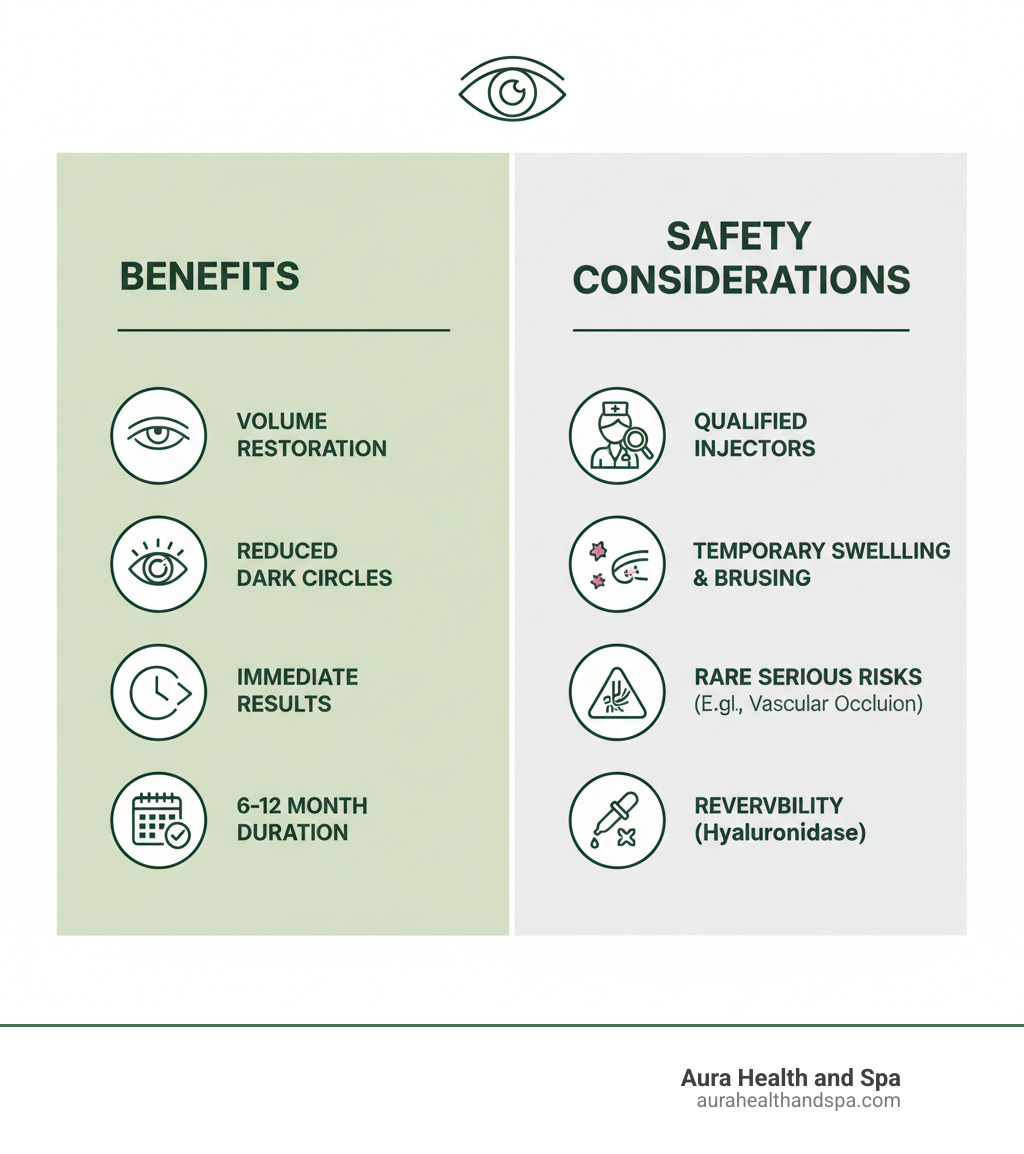
Are fillers under the eyes safe? Yes, under-eye fillers are generally considered safe when administered by a qualified medical professional, though they carry both common and rare risks. The FDA has approved certain hyaluronic acid fillers for this area in individuals 22 and older, and serious complications—while possible—are uncommon when proper technique and anatomy knowledge are applied.
Quick Safety Summary:
- Generally Safe: When performed by experienced, board-certified providers who understand facial anatomy
- FDA Status: Only one brand (Juvederm Volbella XC) is FDA-approved specifically for under-eyes
- Common Side Effects: Temporary swelling, bruising, redness (resolve in 1-2 weeks)
- Rare Serious Risks: Vascular occlusion, blindness, skin necrosis (more likely with inexperienced injectors)
- Reversibility: Hyaluronic acid fillers can be dissolved with hyaluronidase if needed
- Duration: Results typically last 6-12 months
- Cost: $684-$1,500 per treatment (not covered by insurance)
Bottom Line: Safety depends heavily on choosing a qualified injector with experience in under-eye anatomy and having realistic expectations about both results and potential complications.
Dark circles and hollow under-eyes can make you look exhausted, and fillers offer a quick refresh. But with their popularity comes questions about safety. The under-eye area is delicate, with thin skin and complex vascular structures, making it a “filler danger zone.” While most people experience only mild, temporary side effects, rare complications can include vision loss or skin damage.
This guide is meant to help you make an informed decision. The good news is that when performed by skilled practitioners, under-eye fillers have an excellent safety record. The key is knowing what to look for in a provider and understanding the risks.
As Dr. Reema Sethi, a board-certified emergency medicine physician with specialized training in medical aesthetics, I’ve seen both the transformative results and the complications that can occur. My background gives me a unique perspective on managing risks and ensuring patient safety when answering the question, “are fillers under the eyes safe.”
What Are Under-Eye Fillers and How Do They Work?
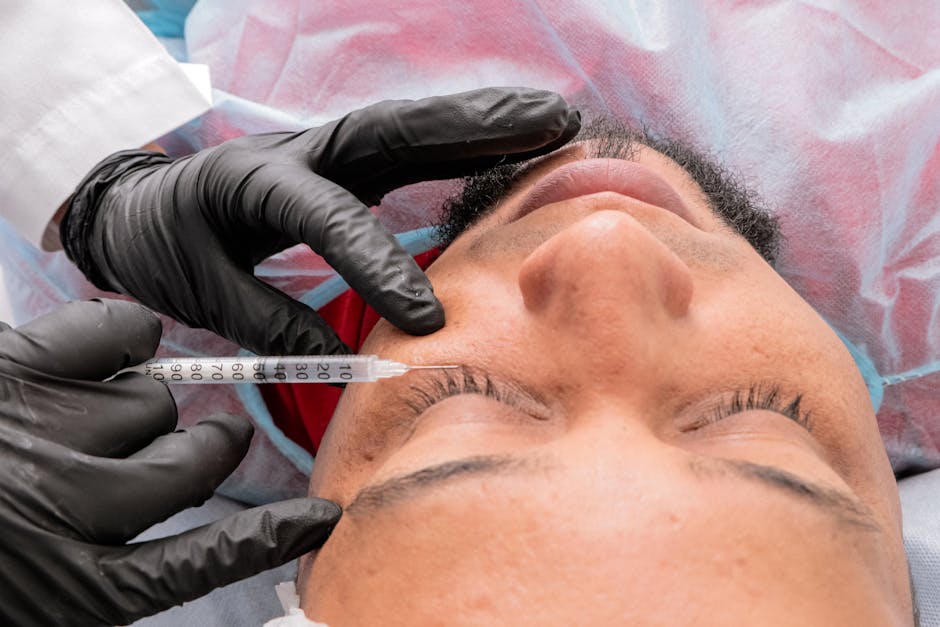
Under-eye fillers—often called tear trough fillers—are a non-surgical solution for the dark circles and hollows that can make you look tired. The tear trough is the groove running from the inner corner of your eye toward your cheek. When this area loses volume due to aging or genetics, it creates shadows and a sunken appearance.
These treatments use a gel-like substance, most commonly hyaluronic acid (HA), to restore that lost volume. HA is a naturally occurring substance in your body that excels at attracting and holding water. When an experienced injector strategically places this filler into the tear trough, it draws in moisture, creating a plumping effect. This lifts the skin, smooths the transition between the lower eyelid and cheek, and diminishes the shadows that cause a tired look. The result is a more rested, refreshed appearance with immediate results.
For a deeper look at how these treatments might fit into your aesthetic goals, visit our guide on Discover the Best Dermal Filler Treatment Options for You.
The Science Behind the Solution
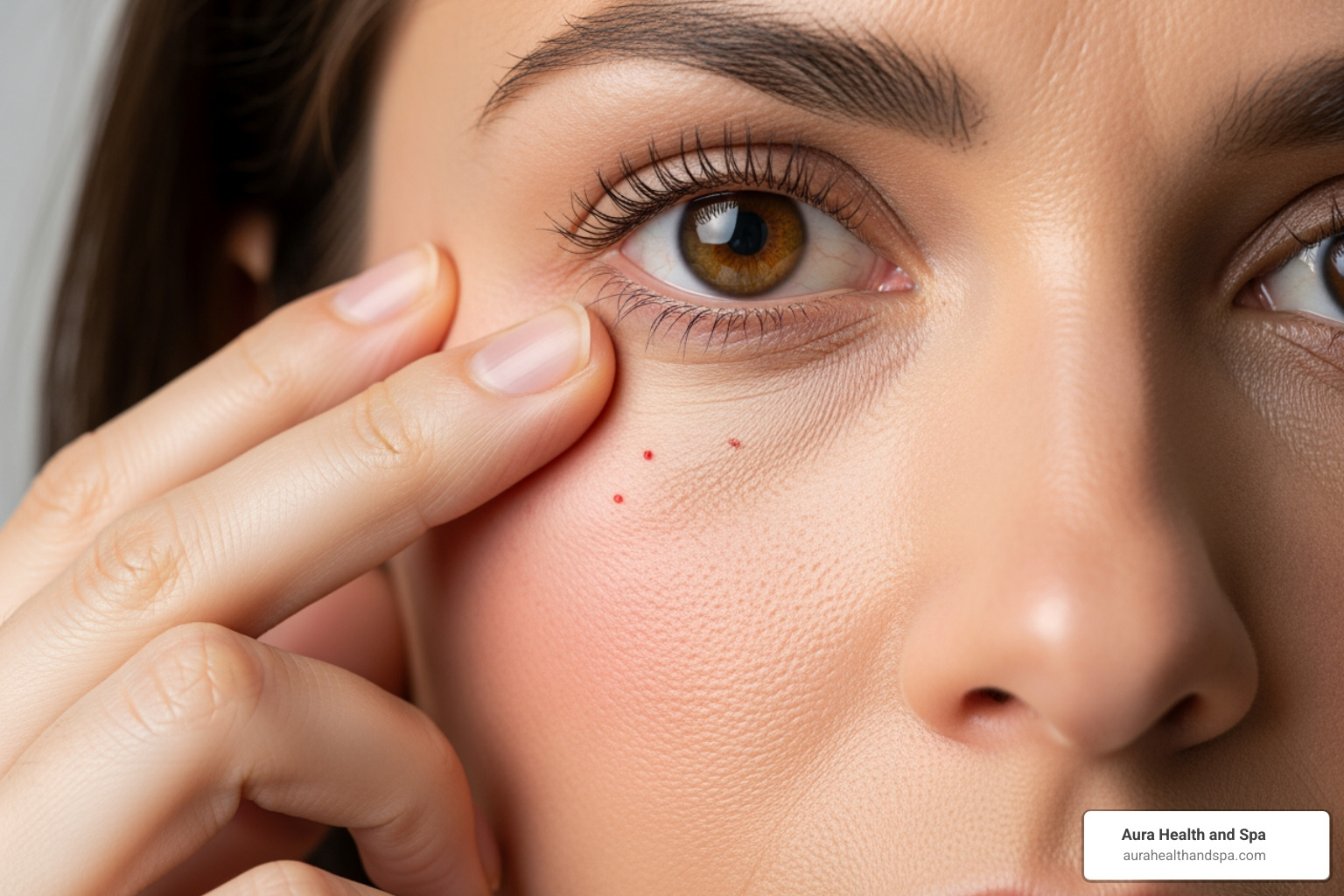
Even with a full eight hours of sleep, you might still see under-eye hollows. This is because as we age, our bodies produce less collagen, the protein that keeps skin firm. Simultaneously, the fat pads that cushion the eye area begin to thin and shift. This combination, often influenced by genetic predisposition, creates a hollow that casts shadows, making dark circles more prominent.
Fillers combat this by adding volume precisely where it’s needed. They lift the skin and reduce the shadowing effect, allowing light to reflect more uniformly across the under-eye area. It’s a subtle correction that makes a noticeable difference, working with your natural anatomy to restore a more youthful contour.
Want to understand more about how fillers can transform your overall appearance? Check out How Dermal Fillers Transform Your Appearance.
Types of Fillers Used Under the Eyes
Not all fillers are created equal, especially for the delicate under-eye area. The overwhelming favorite is Hyaluronic Acid (HA) filler because it’s soft, feels natural, and is reversible.
The FDA has approved only one filler specifically for under-eye use: Juvederm Volbella XC, for individuals 22 and older. However, many other HA fillers are used off-label in this area. “Off-label” simply means the product is FDA-approved for other facial areas but is used by experienced injectors who know which formulations work best for the unique tissue under the eyes.
The reversibility factor is a key safety feature. If you’re unhappy with the results or a complication occurs, the filler can be dissolved with an enzyme called hyaluronidase. This is why HA fillers are the gold standard for under-eye treatments—you’re not locked into a permanent change.
For a comprehensive look at different filler types and their benefits, explore Explore Dermal Fillers: Types Overview and Their Benefits.
Are Fillers Under the Eyes Safe? A Deep Dive into Risks and Side Effects
So, are fillers under the eyes safe? The answer depends largely on the skill of your injector and your candidacy for the treatment. The skin under the eyes is the thinnest on the body, with a complex network of blood vessels just beneath it. This is why expertise is non-negotiable.
The FDA regulates dermal fillers as medical devices and has approved only one, Juvederm Volbella XC, specifically for under-eye hollows in people 22 and older. Most other HA fillers are used “off-label” in this area, a common and safe practice when performed by a licensed healthcare professional with specialized knowledge of facial anatomy. The FDA also warns against needle-free injection devices, which can cause serious injury.
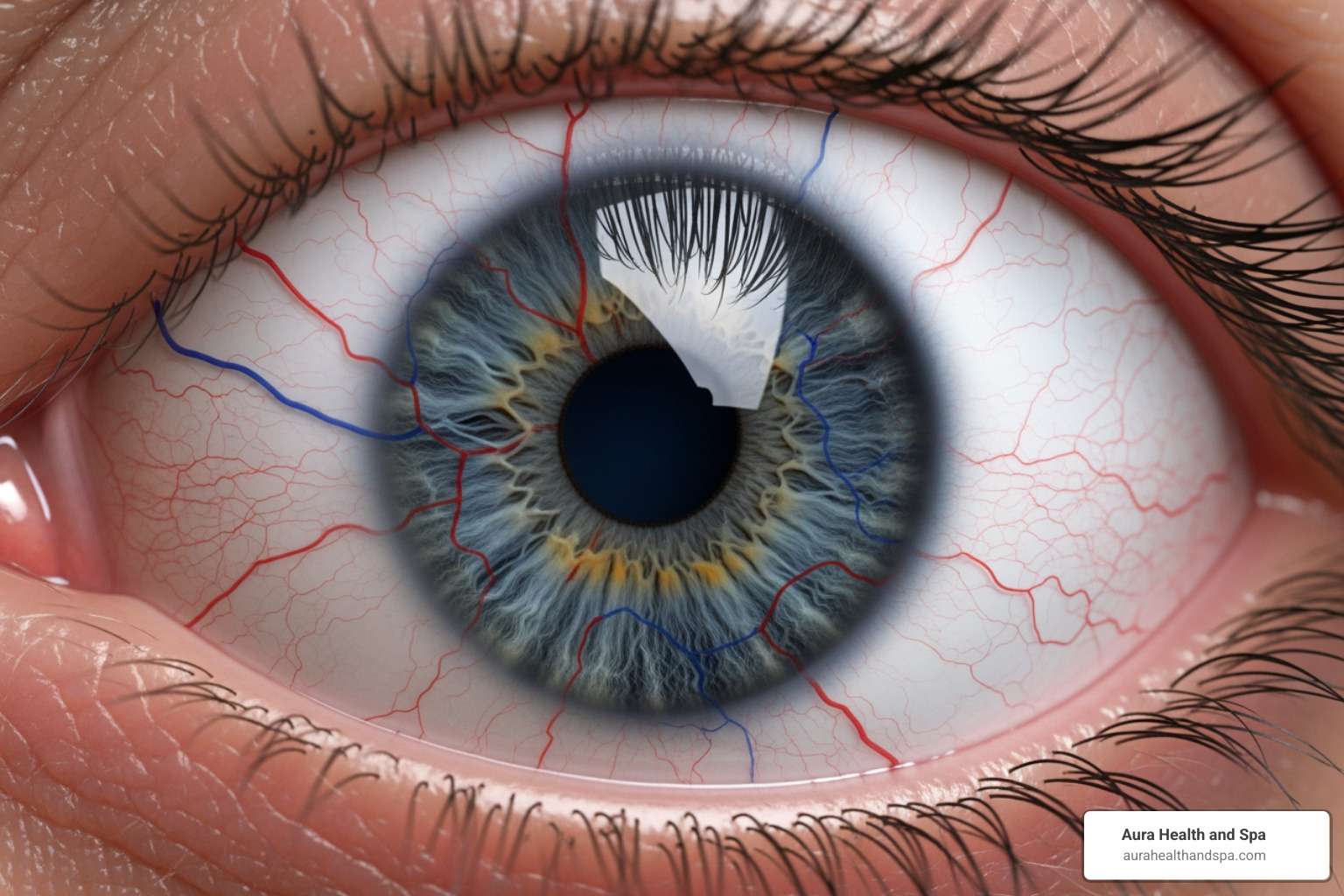
An injector’s knowledge of anatomy is what separates a safe procedure from a risky one. They must know precisely where to inject to avoid blood vessels and achieve a natural result. For comprehensive safety guidelines, review the Dermal Filler Do’s and Don’ts from the FDA.
Common, Temporary Side Effects
Most people will experience minor, temporary side effects as their body adjusts to the filler. These are normal and typically resolve within one to two weeks. Expect some bruising, swelling, and redness at the injection sites. You may also feel some tenderness or small lumps or bumps, which usually smooth out as the filler settles. Temporary asymmetry due to uneven swelling is also common and corrects itself as the swelling subsides. If you’re planning for an event, schedule your treatment at least two weeks in advance.
Rare but Serious Complications
While uncommon with skilled injectors, you should be aware of serious risks. Being informed helps you recognize warning signs and understand why provider choice is critical.
- Vascular Occlusion: This is the most serious risk, occurring when filler blocks a blood vessel. It requires immediate medical attention to prevent complications like skin necrosis (tissue death) or, in extremely rare cases, vision changes or blindness. The risk is highest with improper injection technique.
- The Tyndall Effect: A bluish tint that appears if filler is injected too close to the skin’s surface. It’s not dangerous but is aesthetically displeasing and requires dissolving the filler.
- Infection: Possible any time the skin is broken. Signs include increasing redness, warmth, pain, or pus. It requires prompt antibiotic treatment.
- Allergic Reactions: Rare, but possible, especially to ingredients like lidocaine. Symptoms include significant swelling and redness.
- Granulomas: These are inflammatory nodules that can form weeks or months later as an immune response. They are treatable but can be persistent.
Research confirms that with experienced, board-certified providers, the safety record for fillers is excellent. For a medical review of risks, see Fillers: Contraindications, Side Effects and Precautions. At Aura Health and Spa, we prioritize your safety through careful technique and transparent communication about all potential outcomes.
The Under-Eye Filler Journey: From Candidacy to Recovery
Your journey at Aura Health and Spa begins with a thorough consultation to discuss your goals, review your medical history, and determine if you’re a good candidate. This ensures your treatment plan is safe and customized for you.
The procedure itself is quick, usually 15 to 30 minutes. We apply a topical numbing cream, and most patients report feeling only mild pressure, not pain. Technique is crucial; many experienced practitioners use a blunt-tipped cannula instead of a sharp needle. A cannula is less likely to puncture blood vessels, significantly reducing the risk of bruising and serious complications like vascular occlusion. This method prioritizes both your safety and comfort.

Who Is an Ideal Candidate?
Understanding candidacy is the first step in determining if fillers under the eyes are safe for you. You may be an ideal candidate if you have:
- Mild to moderate hollows under the eyes caused by volume loss.
- Good skin thickness and elasticity, which helps achieve a natural look.
- Realistic expectations about what fillers can and cannot do.
- Good overall health with no active infections or unmanaged chronic conditions.
To see how you might benefit, explore our guide on Enhance Your Look: Benefits of Under Eye Fillers.
Who Should Avoid Treatment? When are fillers under the eyes not safe?
This treatment is not suitable for everyone. You should avoid under-eye fillers if you have:
- Very thin, translucent skin, which increases the risk of the filler being visible or causing a bluish tint (Tyndall effect).
- Significant under-eye bags or puffiness, as adding volume can worsen the appearance.
- An active skin infection near the treatment area.
- A bleeding disorder or are taking blood-thinning medications.
- Certain autoimmune diseases, which can increase the risk of inflammatory reactions.
- A pregnancy or are breastfeeding.
- Known allergies to filler components like hyaluronic acid or lidocaine.
For more on this, refer to Are All Dermal Fillers Safe for Everyone?.
Aftercare, Recovery, and Longevity
Proper aftercare is key to minimizing side effects and achieving the best results. For the first 24-48 hours, you should avoid strenuous exercise, gently apply ice packs intermittently, and sleep with your head slightly liftd. Avoid touching or rubbing the area and refrain from alcohol or blood-thinning medications like ibuprofen for a few days before and after treatment to reduce bruising.
Initial swelling and bruising typically subside within a few days, with full results visible in about two weeks. The effects of HA fillers in this area last about 6 to 12 months, depending on the filler used and your individual metabolism. The average cost of HA filler is $684 per syringe, with a full under-eye treatment typically ranging from $750 to $1,500. This cosmetic procedure is not covered by insurance.
Finding a Qualified Injector and Exploring Complementary Options
When asking are fillers under the eyes safe, the answer depends almost entirely on your injector. The under-eye area is delicate and requires a provider with exceptional skill and anatomical knowledge. Price shopping for these treatments is risky; you are investing in expertise and safety, not just a product.
Your safest choice is a board-certified dermatologist, plastic surgeon, or oculoplastic specialist. These professionals have years of training in facial anatomy. When evaluating providers in Plymouth, Sterling Heights, or Ann Arbor, Michigan, start by verifying their credentials and reviewing their before-and-after photos for under-eye treatments. Look for natural-looking, consistent results.
Experience is critical. Ask how many under-eye procedures they have performed. A qualified provider will also be prepared for emergencies, with hyaluronidase (the dissolving enzyme) on hand and clear protocols for managing adverse events. At Aura Health and Spa, our specialists have extensive training in advanced injection techniques for the under-eye area, prioritizing your safety at every step. Find a qualified provider at Aura Health and Spa to begin your journey.
Key Questions to Ask Your Provider
A consultation is your chance to vet a provider. A reputable injector will welcome your questions. Be sure to ask:
- What type of filler do you recommend for me and why?
- What is your specific experience with under-eye fillers?
- What are the potential risks for me, given my anatomy and health history?
- How do you handle complications like vascular occlusion?
- Can I see before-and-after photos of your actual patients?
- What are the total fees, including any follow-up appointments?
Complementary Approaches to Improve Results
Fillers restore volume, but a holistic approach yields the best results. At Aura Health and Spa, we combine professional treatments with lifestyle practices for comprehensive well-being.
Medical-grade skincare with ingredients like retinoids and vitamin C can improve skin texture and prolong your results. Healthy habits are also crucial: staying hydrated, getting quality sleep, and using daily sun protection will protect your investment. A diet rich in antioxidants also supports skin health.
We also offer in-office treatments like gentle laser therapies or specialized facials that complement fillers by addressing pigmentation and skin tone. This integrated approach ensures your results are not only beautiful but also sustainable and aligned with your overall wellness journey.
Frequently Asked Questions about Under-Eye Filler Safety
Does the procedure hurt?
Most patients report minimal discomfort. We apply a strong topical anesthetic cream before the procedure, and many fillers contain lidocaine, a numbing agent, to improve comfort. You will likely feel a sensation of pressure rather than sharp pain. Any post-procedure tenderness is usually mild and fades within a day or two.
Can under-eye fillers be reversed?
Yes, and this is a key safety feature of hyaluronic acid (HA) fillers. If you are unhappy with the result or if a complication occurs, HA fillers can be quickly dissolved with an enzyme called hyaluronidase. This enzyme breaks down the filler, allowing your body to absorb it naturally within 24-48 hours. This reversibility provides an essential “undo button” for your treatment.
How do I know if a serious complication is happening?
While serious complications are rare with an experienced provider, know the warning signs. Contact your doctor immediately if you experience any of the following:
- Severe or worsening pain that feels sharp or burning.
- Vision changes of any kind (blurriness, double vision, floaters, vision loss).
- Skin discoloration, such as the skin turning white, blue, or developing a mottled, lace-like pattern.
- Rapidly spreading swelling or discoloration that looks different from a typical bruise.
- Signs of infection, including increasing redness, warmth, pus, or fever.
When in doubt, always reach out. Early recognition and prompt treatment are critical for managing complications effectively. Your safety is our highest priority.
Conclusion: A Holistic Approach to a Refreshed Appearance
So, are fillers under the eyes safe? Yes, for the right candidate in the hands of a skilled professional. The key to a safe and successful outcome is balancing the benefits with the risks, understanding your own candidacy, and choosing a qualified injector who prioritizes your safety. When these elements align, under-eye fillers can deliver natural-looking results that help you look as refreshed as you feel.
At Aura Health and Spa, we believe true radiance comes from a balance of inner wellness and outer confidence. We integrate medical insights with a holistic approach, ensuring your aesthetic treatments improve how you feel and support your confidence in a way that honors your whole self.
An under-eye filler treatment can be transformative, not by creating a new face, but by making a subtle improvement that highlights your unique beauty. It’s about helping you see your vibrant, capable self in the mirror.
If you’re in Plymouth, Sterling Heights, or Ann Arbor, Michigan, and considering under-eye fillers, we invite you to consult with our experienced team. We are here to answer your questions and create a personalized plan that aligns with your goals while keeping your safety front and center.
Learn more about our approach to Dermal Fillers and find how we can help you achieve a refreshed, confident look that feels authentically you.
by Dr. Reema Sethi | Nov 13, 2025 | Skincare
Understanding Your Options for Under-Eye Rejuvenation
Tear trough filler for wrinkles is a popular search, but it’s crucial to know what these treatments truly achieve.
Quick Answer:
- Primary Function: Tear trough fillers restore lost volume under the eyes, not directly erase wrinkles.
- Indirect Wrinkle Benefits: By filling hollows, they smooth the skin and reduce the appearance of fine lines.
- Best For: Under-eye hollows, dark circles, and volume loss.
- Not Ideal For: Deep wrinkles, crow’s feet, or muscle-related lines.
- Typical Results: 12-18 months of a refreshed, less tired appearance.
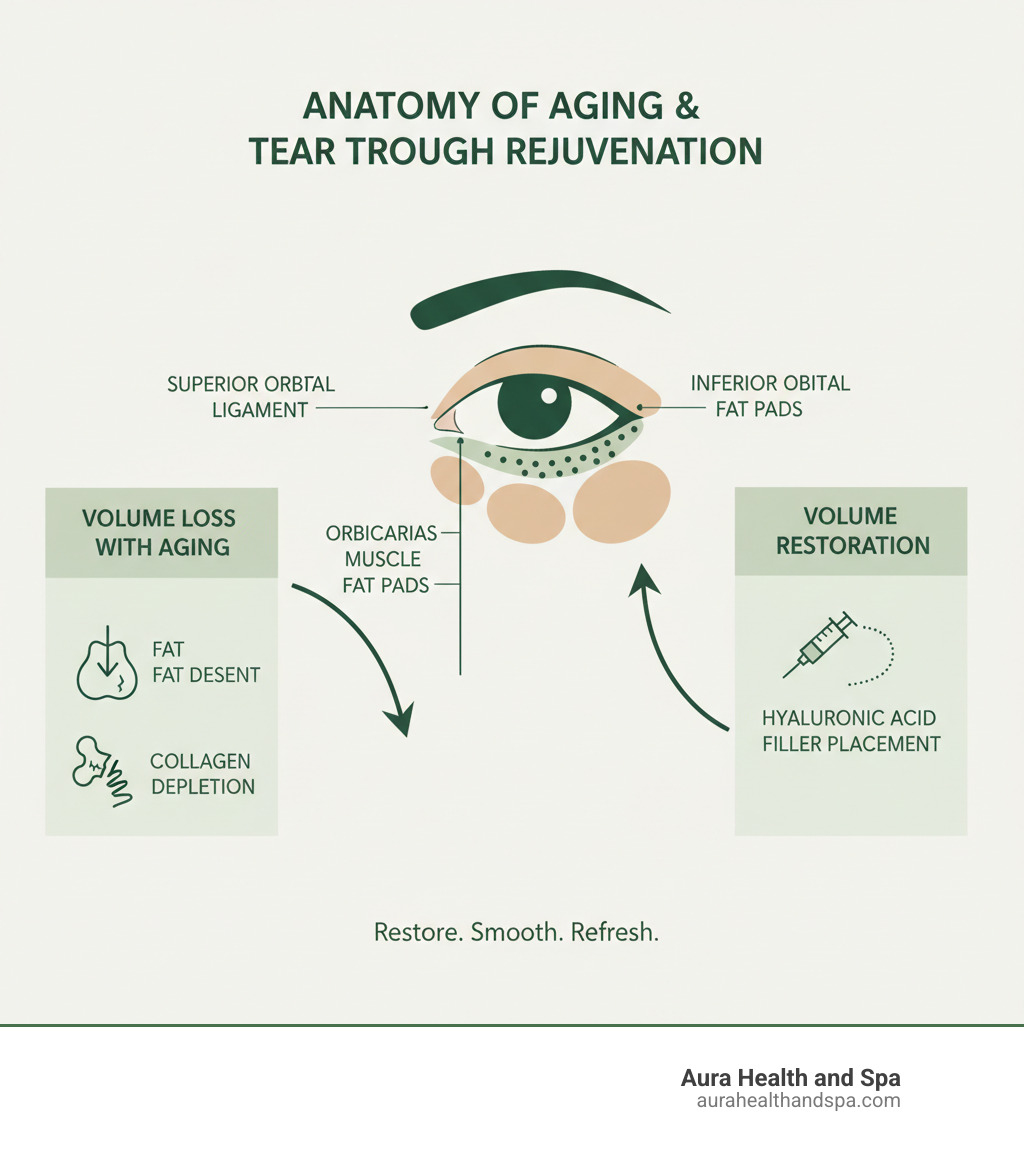
If you’re bothered by tired-looking eyes, dark circles, or a sunken appearance that rest can’t fix, understanding tear trough treatments is key. The tear trough is the depression between your lower eyelid and upper cheek. With age, volume loss from fat descent, bone changes, and collagen depletion creates shadows and makes fine lines more visible.
Hyaluronic acid fillers work by restoring this lost volume. By filling the depression, the surrounding skin is smoothed, making wrinkles less noticeable. The filler doesn’t target wrinkles directly, but its plumping effect stretches the skin and reduces the depth of lines.
I’m Dr. Reema Sethi, a board-certified physician trained in medical aesthetics. At Aura Health and Spa in Plymouth, Michigan, I help patients understand how tear trough filler for wrinkles fits into a holistic rejuvenation plan, always prioritizing safe, natural-looking results.
Understanding Tear Trough Fillers: More Than Just a Wrinkle Eraser
While the term tear trough filler for wrinkles suggests a direct line-smoothing treatment, these fillers primarily address tear trough deformity—the hollow running from the inner eye toward the cheek that creates a perpetually tired look.
These fillers are typically made from hyaluronic acid (HA), a substance naturally found in your body that attracts water to create a plump, youthful appearance. When injected into the under-eye area, HA fillers act as a soft cushion, filling the hollow and smoothing the contour. Their effectiveness comes from restoring lost volume, which lifts the skin, reduces shadows that worsen dark circles, and creates an even surface. This volume restoration is the secret to their success for under-eye hollows. If you’re curious about different filler options, you can learn more about dermal filler types.
What Causes Under-Eye Hollows and Wrinkles?
The under-eye area is often the first to show signs of aging. Several factors contribute to the hollows and lines that make you look tired.
As you age, your body produces less collagen, the protein that keeps skin firm. The small fat pads under your eyes can also shift downward or shrink, leaving hollows behind. Board-certified dermatologist Dr. Jennifer Herrmann notes that after age 35, facial bones begin to resorb. The bone around the eyes widens, providing less support for the skin, fat, and muscle above it, making wrinkles more visible.
Genetics also play a role, as some people inherit more prominent tear troughs. Because the skin under your eyes is the thinnest on your face, it more readily reveals volume loss and underlying structures. These factors combine to create the sunken, shadowed appearance that leads people to consider treatments like tear trough filler for wrinkles. Understanding the anatomy of the tear trough ligament helps explain why this area ages as it does.
The Primary Goal: Addressing Volume Loss, Not Directly Eliminating Wrinkles
It’s important to know that while tear trough filler for wrinkles improves the look of lines, it doesn’t “erase” them. The treatment works through strategic volume restoration.
Imagine a deflated balloon with wrinkles. When you add air, the wrinkles smooth out as it expands. Tear trough fillers work similarly. By adding carefully placed volume, the filler plumps and lifts the skin, reducing the depth of static lines. This creates a smoother contour and a seamless transition from the lower eyelid to the cheek.
Most noticeably, filling the hollows eliminates the shadows they cast, which are often perceived as dark circles. When light reflects evenly across the under-eye area, the entire region looks brighter and more awake. This comprehensive approach refreshes your eye area for a rested look without appearing “done.” To see how volume restoration works elsewhere, explore volume restoration options.
The Impact of Tear Trough Filler for Wrinkles: Direct and Indirect Effects
When we place tear trough filler for wrinkles with precision, the result is a more vibrant, rested version of yourself. The change isn’t just about filling a hollow; it’s about revealing a refreshed appearance.
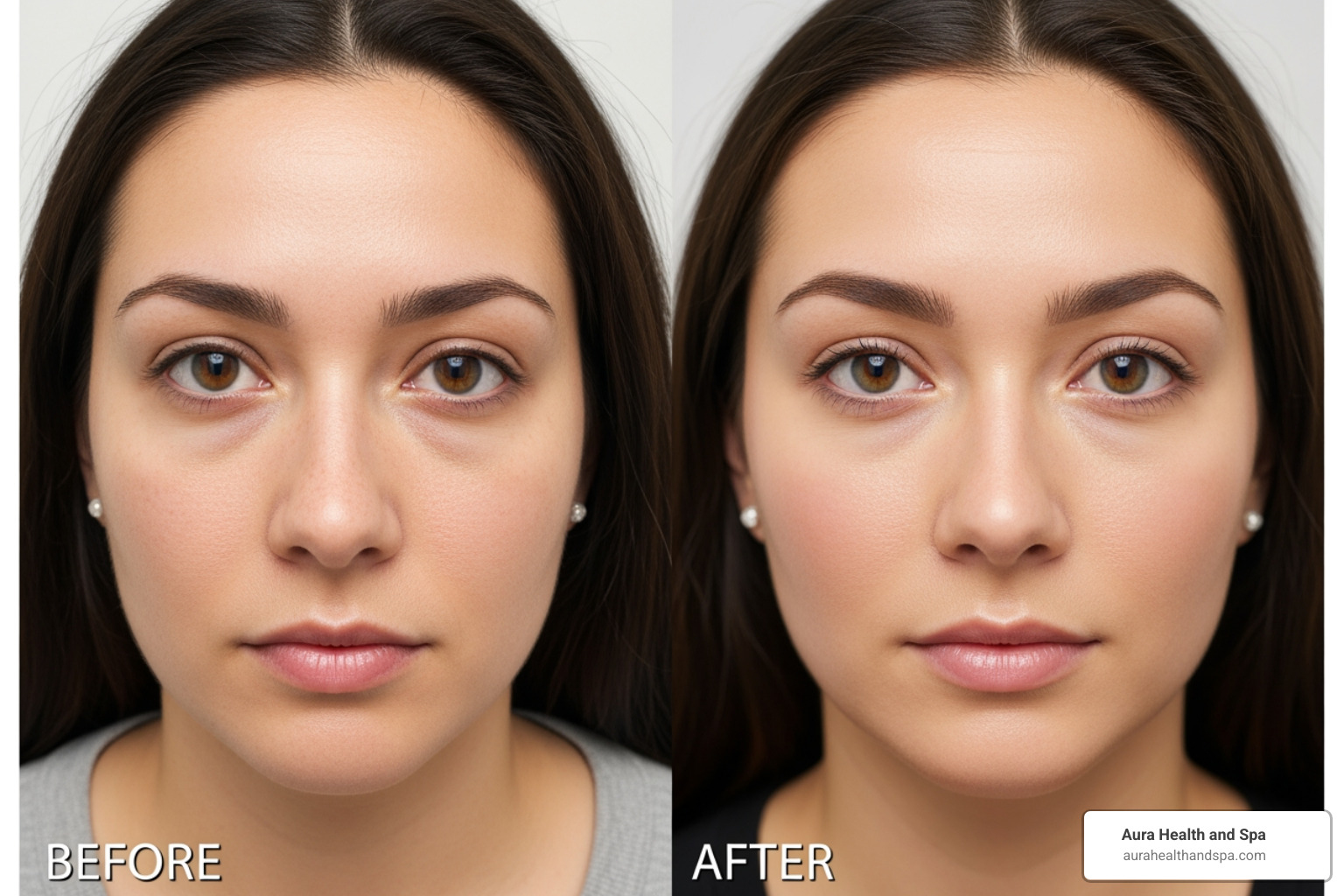
Studies show around 70% of patients are satisfied with their under-eye filler results. This high satisfaction comes from a combination of immediate improvements and longer-term benefits that improve skin quality. The treatment works on multiple levels: you see direct smoothing effects right away, while the way light reflects off the refreshed area creates a natural, youthful look.
Direct Effects: How Tear Trough Filler for Wrinkles Smooths the Skin
The moment hyaluronic acid is injected, the difference is visible. Think of your under-eye skin like a wrinkled tablecloth over a table with a dip. Fill the dip, and the cloth lies smooth. That’s what tear trough filler for wrinkles does.
The filler works by filling static lines caused by volume loss. The HA gel physically plumps the area from beneath, creating an immediate smoothing effect. This stretching effect is great for fine lines, as the added volume gently stretches the overlying tissue for a more even texture. The depth of the tear trough indentation itself becomes shallower, resulting in a flatter surface that doesn’t cast harsh, tired-looking shadows. The overall improved skin surface contributes to that coveted “well-rested” look.
Indirect Benefits: Improving Skin Quality and Fine Lines
The benefits of tear trough fillers extend beyond what you see on day one. Research shows that hyaluronic acid fillers don’t just sit passively; they actively encourage your body to produce new collagen. This collagen stimulation occurs when the filler gently pushes against fibroblasts (collagen-producing cells), triggering them into action. This process, known as fibroblast activation, improves your skin quality from within. You can read more about this in research on HA fillers stimulating collagen.
Another key benefit is the hydration boost. HA can hold up to 1,000 times its weight in water, attracting and holding moisture in the treated area. This gives your skin a healthy glow and makes fine lines less noticeable. Over time, you may also notice improvements in skin elasticity. With more collagen and better hydration, your skin becomes more resilient. These combined effects contribute to long-term skin health, and many patients find their skin quality remains better than before their first treatment, even when it’s time for a touch-up.
The Tear Trough Filler Journey: From Consultation to Aftercare
Starting your journey to a refreshed under-eye area at Aura Health and Spa in Plymouth, Sterling Heights, or Ann Arbor, Michigan, is a comfortable and personalized process. We focus on your safety, goals, and confidence in your decision.
The tear trough filler for wrinkles procedure is designed for minimal downtime. The average cost is around $684 per syringe, with most treatments ranging from $684 to $1,500. Results typically last between 12 to 18 months.
Step 1: The Initial Consultation and Assessment
Everything begins with a thorough consultation to understand your unique facial anatomy. We evaluate your bone structure, skin thickness, and volume loss while listening to your aesthetic goals. Not everyone is an ideal candidate, and we are always honest about this. We’ll determine if fillers are right for you based on factors like skin elasticity and overall health. We will also discuss which HA filler, such as the FDA-approved Juvederm Volbella XC or options from Restylane, would be best. We ensure complete transparency about potential risks and side effects, so you never feel rushed.
Step 2: The Injection Procedure
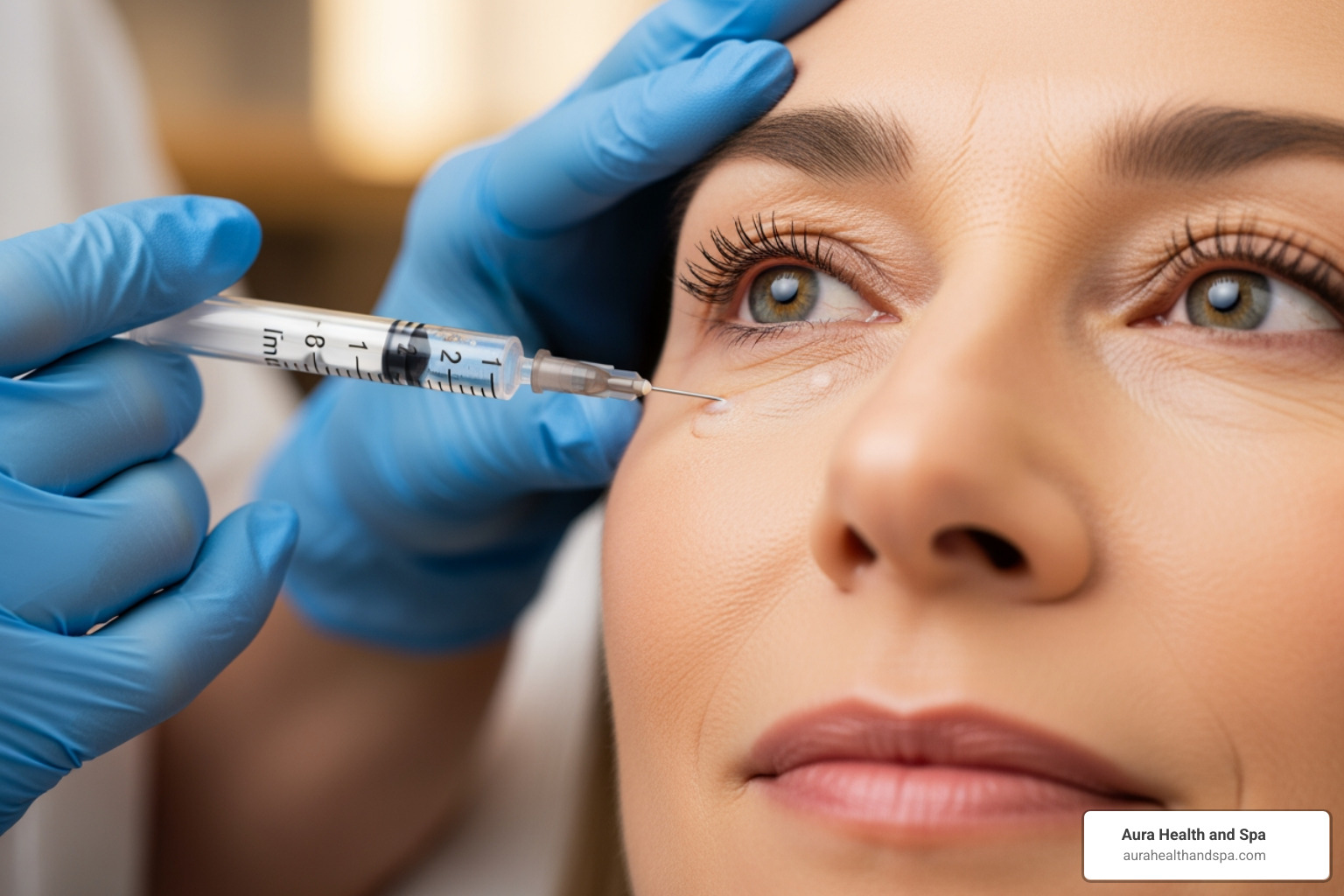
Once we determine fillers are right for you, the injection procedure is quick and straightforward. We apply a topical numbing cream for comfort, and many fillers also contain lidocaine. We often use a blunt-tipped microcannula, which can gently steer around blood vessels to reduce bruising and other risks. The filler is injected deep, just above the bone, to avoid superficial placement issues like the Tyndall effect (a bluish discoloration). We use a conservative approach, starting with a minimal amount for natural-looking results. The injection process itself takes only about 15 minutes, with most patients feeling only mild pressure.
Step 3: Aftercare and Results
Proper aftercare is crucial for smooth recovery and optimal results. Mild swelling, redness, and bruising are normal for 24 to 72 hours. We recommend applying ice packs periodically for the first 48 hours. For the first day or two, avoid strenuous exercise, rubbing the area, and alcohol. Try sleeping on your back with your head slightly liftd to reduce swelling. You’ll see immediate improvement, but full results appear within 1 to 2 weeks as swelling subsides and the filler settles. The effects of tear trough filler for wrinkles are temporary, typically lasting 12 to 18 months. We recommend annual touch-ups to maintain your refreshed look.
Tear Trough Fillers vs. Other Under-Eye Approaches
When refreshing your under-eye area, it’s helpful to know which approach is right for you. Tear trough filler for wrinkles is just one tool, and understanding the alternatives helps you make the best choice. It’s important to distinguish between static wrinkles (visible at rest) and dynamic wrinkles (visible with expression). Fillers excel at treating static lines caused by volume loss.
- Tear Trough Fillers: Cost $684-$1,500, last 12-18 months, and have minimal downtime (24-72 hours). They are best for volume loss, hollows, and static fine lines.
- At-Home Skincare: Costs $20-$200+ per product and requires ongoing use with no downtime. Best for mild concerns, hydration, and supporting professional treatments.
At-Home Skincare as Supportive Care
A great skincare routine is foundational to your skin’s health. Hydrating eye creams with ingredients like hyaluronic acid, ceramides, and peptides can temporarily plump the skin and soften fine lines at the surface level. A consistent routine with cleansing, moisturizing, and sun protection is essential, as UV damage is a primary cause of premature aging in the delicate under-eye area. However, topical products work gradually and cannot restore significant volume loss or correct deep hollows. They are best used as an adjunct to professional treatments, helping to maintain hydration and protect the skin, which can support your filler results. For more on how fillers work, explore our guide on dermal filler types.
Neuromodulators for Dynamic Wrinkles
Lines that appear when you smile or squint, like crow’s feet, are dynamic wrinkles caused by muscle movement. Neuromodulators like Botox or Dysport work by temporarily relaxing these muscles to smooth the lines. Crucially, neuromodulators do not add volume and will not fill hollows. For this reason, many patients at our Plymouth, Sterling Heights, and Ann Arbor locations benefit from a complementary approach. Combining tear trough fillers for volume with neuromodulators for crow’s feet addresses the entire eye area comprehensively. If your concern is structural support (volume), fillers are the answer. If it’s expression lines (muscle movement), neuromodulators are the solution. Often, both are needed for a naturally refreshed look. Discover the benefits of Botox to learn more.
Are You a Good Candidate? Safety, Risks, and Contraindications
Deciding if tear trough fillers are right for you is a personal choice we take seriously at Aura Health and Spa. Our practitioners in Plymouth, Sterling Heights, and Ann Arbor, Michigan, prioritize safety and honesty to help you make the best decision.
Tear trough filler for wrinkles can be transformative for the right person, with around 70% of patients reporting satisfaction. Success depends on proper candidate selection and a skilled injector who understands the delicate under-eye anatomy.
Who is an Ideal Candidate?
The best candidates for tear trough fillers typically have:
- Visible hollowing under the eyes (volume loss).
- Good skin elasticity, meaning the skin is reasonably firm and springs back when gently pressed.
- Mild to moderate concerns, as severe issues may require surgery.
- Good overall health and are non-smokers.
- Realistic expectations, understanding that fillers restore volume and soften wrinkles indirectly.
Potential Risks and Safety Considerations
When performed by a skilled professional, tear trough fillers are generally safe. However, the under-eye area is delicate, so anatomical knowledge is essential.
- Bruising and swelling are the most common side effects, usually resolving in 24-72 hours.
- Lumps or bumps can occur but can often be smoothed with gentle massage as instructed.
- The Tyndall effect, a bluish discoloration from superficially placed filler, is treatable with an enzyme that dissolves the filler.
- Vascular occlusion, though extremely rare, is a serious risk where filler blocks a blood vessel. This is why choosing an experienced injector is non-negotiable.
- Allergic reactions and infection are also rare.
A 2020 study in Plastic and Reconstructive Surgery — Global Open confirmed that HA fillers for tear troughs are safe and effective when administered by experienced practitioners. You can review the study here: A Prospective Study on Safety and Complications.
Reasons to Avoid Tear Trough Filler for Wrinkles
We will advise against tear trough filler for wrinkles if you have:
- Poor skin laxity (very thin, crepey skin), as filler may look uneven.
- Large eye bags from herniated fat, as filler can worsen their appearance.
- Active skin infection or inflammation near the injection site.
- Certain medical conditions like autoimmune or bleeding disorders.
- Unrealistic expectations about what fillers can achieve.
Frequently Asked Questions about Tear Trough Fillers
At Aura Health and Spa in Plymouth, Sterling Heights, and Ann Arbor, Michigan, we want you to feel fully informed. Here are answers to the most common questions about tear trough filler for wrinkles.
How much do tear trough fillers typically cost?
The cost depends on the amount of filler needed, the product used, and your provider. According to the American Society of Plastic Surgeons, the average cost is about $684 per syringe. Most treatments require one to two syringes, putting the total investment between $684 to $1,500. This is a cosmetic procedure and is not covered by insurance. We provide a personalized cost estimate during your consultation.
Is the tear trough filler procedure painful?
Most patients are pleasantly surprised by how comfortable the procedure is. We apply a topical numbing cream before the injection, and many modern HA fillers also contain lidocaine, a local anesthetic, for added comfort. Patients typically describe the sensation as mild pressure or a slight pinch, not significant pain.
How long do tear trough fillers last?
Results typically last between 12 to 18 months. Longevity can be influenced by your personal metabolism, the specific filler used, and lifestyle factors like sun exposure. Some people may need a touch-up closer to the one-year mark, while others enjoy longer-lasting results. We generally recommend annual touch-up appointments to maintain your refreshed appearance.
Conclusion: A Smoother, More Rested You
Seeing a refreshed, well-rested version of yourself in the mirror is an achievable goal. The truth about tear trough filler for wrinkles is that it’s a volume-specialist. Its primary function is to restore lost volume beneath the eyes, filling hollows that create shadows and a tired look. In doing so, the skin naturally smooths, and the appearance of static fine lines softens.
However, this effect on wrinkles is indirect. For dynamic lines like crow’s feet, a different treatment like neuromodulators is needed. The delicate nature of the under-eye area means that choosing an experienced, anatomically knowledgeable practitioner is paramount. At Aura Health and Spa, our teams in Plymouth, Sterling Heights, and Ann Arbor, Michigan, prioritize your safety and natural-looking results.
True rejuvenation is a holistic journey. Tear trough fillers can be a powerful part of that journey, working alongside quality skincare and other treatments to help you look and feel your best. If you’re ready to say goodbye to that tired look, we’re here to help.
Your path to a smoother, more rested you starts with a conversation. Schedule a consultation for Dermal Fillers and let’s find what’s possible for your unique beauty.