
Understanding the Safety of Under-Eye Filler Treatments
Are fillers under the eyes safe? Yes, under-eye fillers are generally considered safe when administered by a qualified medical professional, though they carry both common and rare risks. The FDA has approved certain hyaluronic acid fillers for this area in individuals 22 and older, and serious complications—while possible—are uncommon when proper technique and anatomy knowledge are applied.
Quick Safety Summary:
- Generally Safe: When performed by experienced, board-certified providers who understand facial anatomy
- FDA Status: Only one brand (Juvederm Volbella XC) is FDA-approved specifically for under-eyes
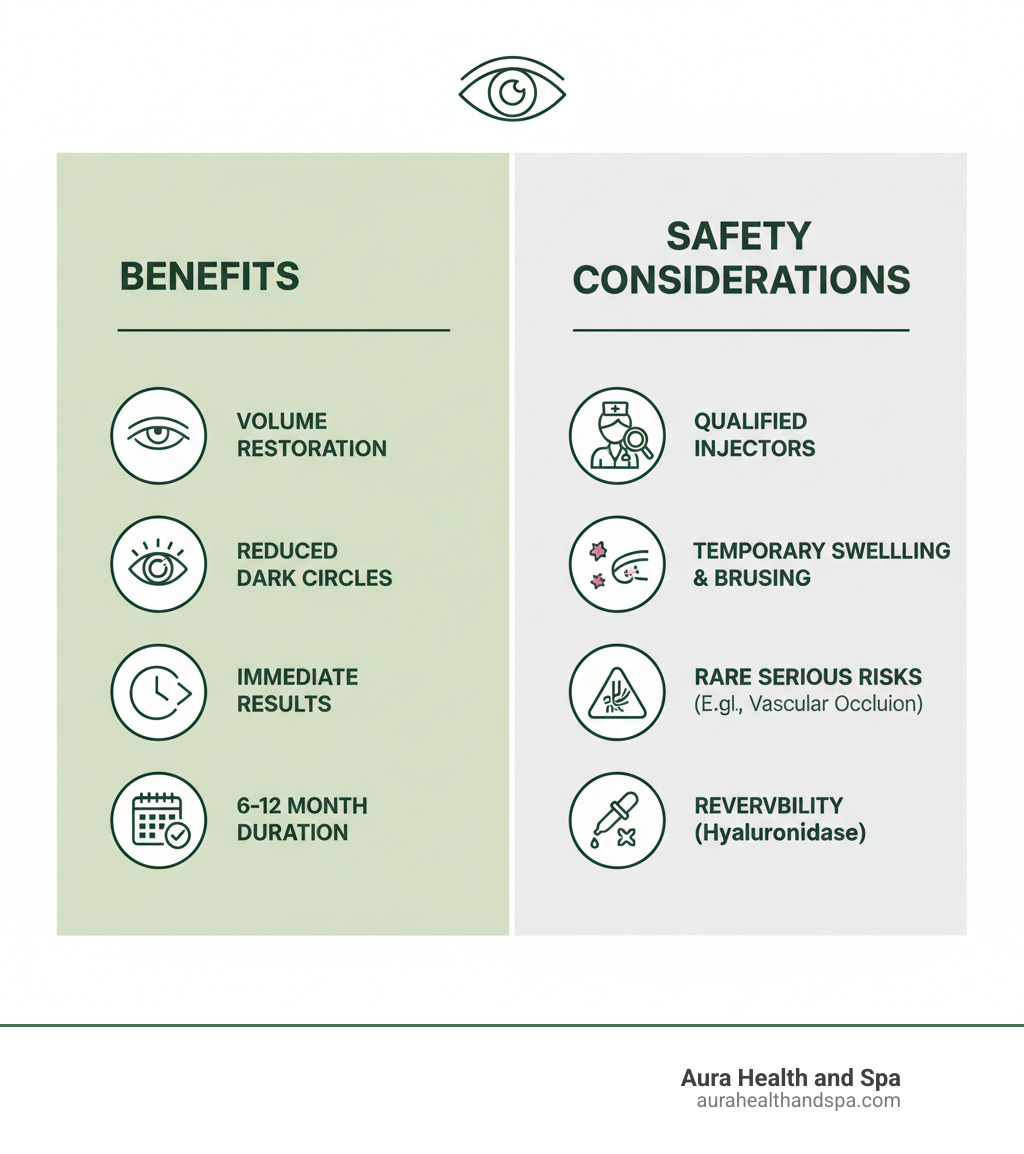
- Common Side Effects: Temporary swelling, bruising, redness (resolve in 1-2 weeks)
- Rare Serious Risks: Vascular occlusion, blindness, skin necrosis (more likely with inexperienced injectors)
- Reversibility: Hyaluronic acid fillers can be dissolved with hyaluronidase if needed
- Duration: Results typically last 6-12 months
- Cost: $684-$1,500 per treatment (not covered by insurance)
Bottom Line: Safety depends heavily on choosing a qualified injector with experience in under-eye anatomy and having realistic expectations about both results and potential complications.
Dark circles and hollow under-eyes can make you look exhausted, and fillers offer a quick refresh. But with their popularity comes questions about safety. The under-eye area is delicate, with thin skin and complex vascular structures, making it a “filler danger zone.” While most people experience only mild, temporary side effects, rare complications can include vision loss or skin damage.
This guide is meant to help you make an informed decision. The good news is that when performed by skilled practitioners, under-eye fillers have an excellent safety record. The key is knowing what to look for in a provider and understanding the risks.
As Dr. Reema Sethi, a board-certified emergency medicine physician with specialized training in medical aesthetics, I’ve seen both the transformative results and the complications that can occur. My background gives me a unique perspective on managing risks and ensuring patient safety when answering the question, “are fillers under the eyes safe.”
What Are Under-Eye Fillers and How Do They Work?
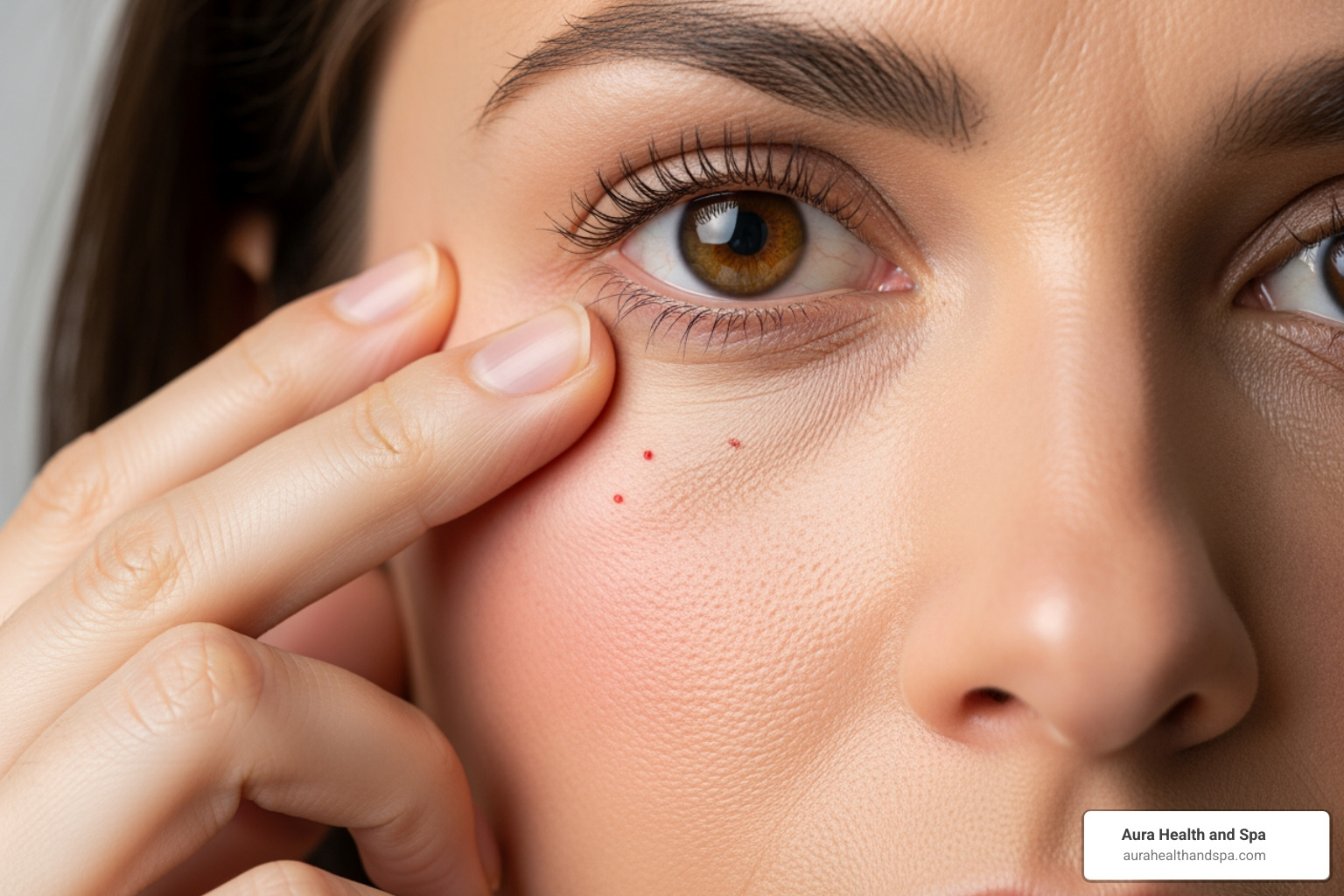
Under-eye fillers—often called tear trough fillers—are a non-surgical solution for the dark circles and hollows that can make you look tired. The tear trough is the groove running from the inner corner of your eye toward your cheek. When this area loses volume due to aging or genetics, it creates shadows and a sunken appearance.
These treatments use a gel-like substance, most commonly hyaluronic acid (HA), to restore that lost volume. HA is a naturally occurring substance in your body that excels at attracting and holding water. When an experienced injector strategically places this filler into the tear trough, it draws in moisture, creating a plumping effect. This lifts the skin, smooths the transition between the lower eyelid and cheek, and diminishes the shadows that cause a tired look. The result is a more rested, refreshed appearance with immediate results.
For a deeper look at how these treatments might fit into your aesthetic goals, visit our guide on Discover the Best Dermal Filler Treatment Options for You.
The Science Behind the Solution
Even with a full eight hours of sleep, you might still see under-eye hollows. This is because as we age, our bodies produce less collagen, the protein that keeps skin firm. Simultaneously, the fat pads that cushion the eye area begin to thin and shift. This combination, often influenced by genetic predisposition, creates a hollow that casts shadows, making dark circles more prominent.
Fillers combat this by adding volume precisely where it’s needed. They lift the skin and reduce the shadowing effect, allowing light to reflect more uniformly across the under-eye area. It’s a subtle correction that makes a noticeable difference, working with your natural anatomy to restore a more youthful contour.
Want to understand more about how fillers can transform your overall appearance? Check out How Dermal Fillers Transform Your Appearance.
Types of Fillers Used Under the Eyes
Not all fillers are created equal, especially for the delicate under-eye area. The overwhelming favorite is Hyaluronic Acid (HA) filler because it’s soft, feels natural, and is reversible.
The FDA has approved only one filler specifically for under-eye use: Juvederm Volbella XC, for individuals 22 and older. However, many other HA fillers are used off-label in this area. “Off-label” simply means the product is FDA-approved for other facial areas but is used by experienced injectors who know which formulations work best for the unique tissue under the eyes.
The reversibility factor is a key safety feature. If you’re unhappy with the results or a complication occurs, the filler can be dissolved with an enzyme called hyaluronidase. This is why HA fillers are the gold standard for under-eye treatments—you’re not locked into a permanent change.
For a comprehensive look at different filler types and their benefits, explore Explore Dermal Fillers: Types Overview and Their Benefits.
Are Fillers Under the Eyes Safe? A Deep Dive into Risks and Side Effects
So, are fillers under the eyes safe? The answer depends largely on the skill of your injector and your candidacy for the treatment. The skin under the eyes is the thinnest on the body, with a complex network of blood vessels just beneath it. This is why expertise is non-negotiable.
The FDA regulates dermal fillers as medical devices and has approved only one, Juvederm Volbella XC, specifically for under-eye hollows in people 22 and older. Most other HA fillers are used “off-label” in this area, a common and safe practice when performed by a licensed healthcare professional with specialized knowledge of facial anatomy. The FDA also warns against needle-free injection devices, which can cause serious injury.
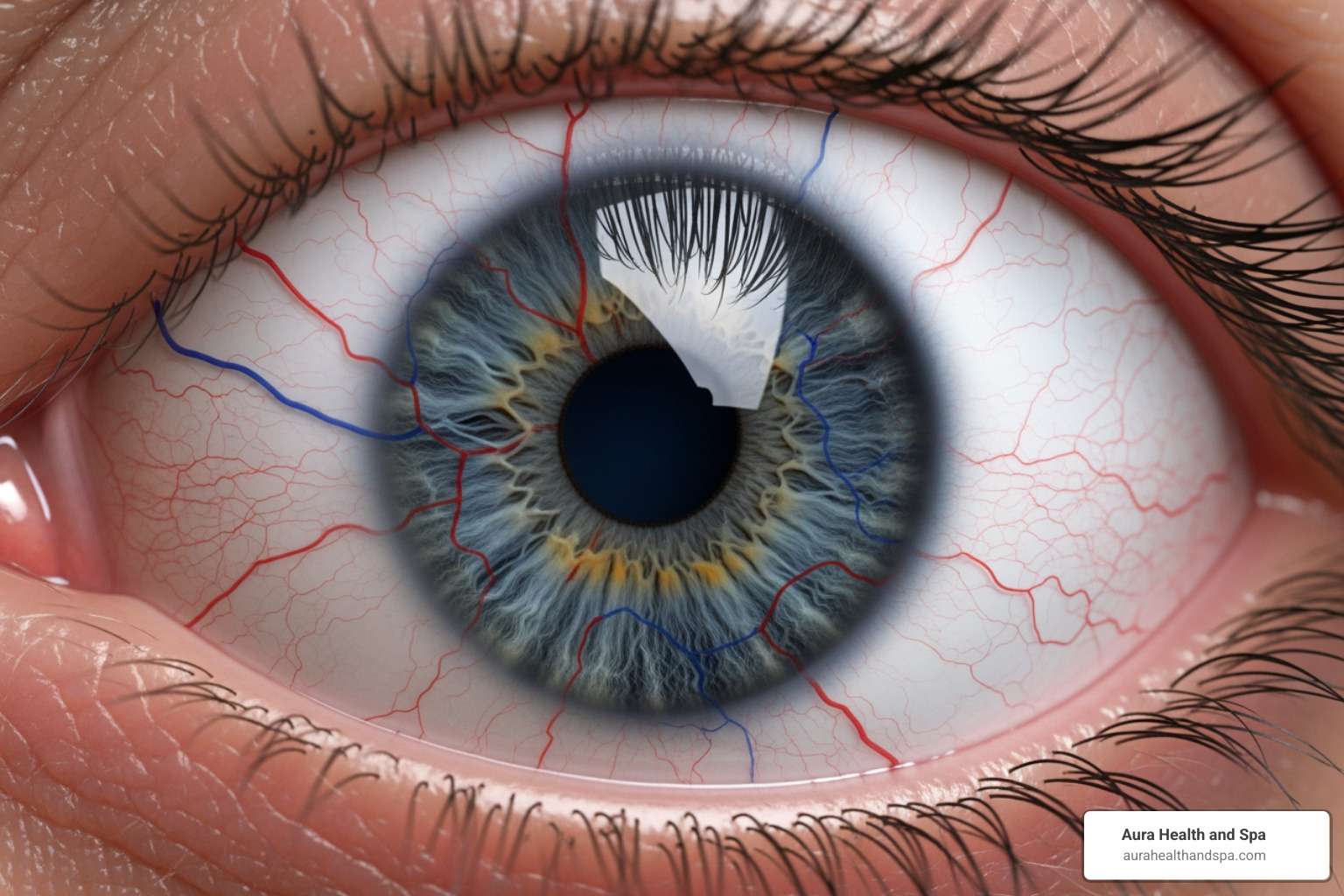
An injector’s knowledge of anatomy is what separates a safe procedure from a risky one. They must know precisely where to inject to avoid blood vessels and achieve a natural result. For comprehensive safety guidelines, review the Dermal Filler Do’s and Don’ts from the FDA.
Common, Temporary Side Effects
Most people will experience minor, temporary side effects as their body adjusts to the filler. These are normal and typically resolve within one to two weeks. Expect some bruising, swelling, and redness at the injection sites. You may also feel some tenderness or small lumps or bumps, which usually smooth out as the filler settles. Temporary asymmetry due to uneven swelling is also common and corrects itself as the swelling subsides. If you’re planning for an event, schedule your treatment at least two weeks in advance.
Rare but Serious Complications
While uncommon with skilled injectors, you should be aware of serious risks. Being informed helps you recognize warning signs and understand why provider choice is critical.
- Vascular Occlusion: This is the most serious risk, occurring when filler blocks a blood vessel. It requires immediate medical attention to prevent complications like skin necrosis (tissue death) or, in extremely rare cases, vision changes or blindness. The risk is highest with improper injection technique.
- The Tyndall Effect: A bluish tint that appears if filler is injected too close to the skin’s surface. It’s not dangerous but is aesthetically displeasing and requires dissolving the filler.
- Infection: Possible any time the skin is broken. Signs include increasing redness, warmth, pain, or pus. It requires prompt antibiotic treatment.
- Allergic Reactions: Rare, but possible, especially to ingredients like lidocaine. Symptoms include significant swelling and redness.
- Granulomas: These are inflammatory nodules that can form weeks or months later as an immune response. They are treatable but can be persistent.
Research confirms that with experienced, board-certified providers, the safety record for fillers is excellent. For a medical review of risks, see Fillers: Contraindications, Side Effects and Precautions. At Aura Health and Spa, we prioritize your safety through careful technique and transparent communication about all potential outcomes.
The Under-Eye Filler Journey: From Candidacy to Recovery
Your journey at Aura Health and Spa begins with a thorough consultation to discuss your goals, review your medical history, and determine if you’re a good candidate. This ensures your treatment plan is safe and customized for you.
The procedure itself is quick, usually 15 to 30 minutes. We apply a topical numbing cream, and most patients report feeling only mild pressure, not pain. Technique is crucial; many experienced practitioners use a blunt-tipped cannula instead of a sharp needle. A cannula is less likely to puncture blood vessels, significantly reducing the risk of bruising and serious complications like vascular occlusion. This method prioritizes both your safety and comfort.

Who Is an Ideal Candidate?
Understanding candidacy is the first step in determining if fillers under the eyes are safe for you. You may be an ideal candidate if you have:
- Mild to moderate hollows under the eyes caused by volume loss.
- Good skin thickness and elasticity, which helps achieve a natural look.
- Realistic expectations about what fillers can and cannot do.
- Good overall health with no active infections or unmanaged chronic conditions.
To see how you might benefit, explore our guide on Enhance Your Look: Benefits of Under Eye Fillers.
Who Should Avoid Treatment? When are fillers under the eyes not safe?
This treatment is not suitable for everyone. You should avoid under-eye fillers if you have:
- Very thin, translucent skin, which increases the risk of the filler being visible or causing a bluish tint (Tyndall effect).
- Significant under-eye bags or puffiness, as adding volume can worsen the appearance.
- An active skin infection near the treatment area.
- A bleeding disorder or are taking blood-thinning medications.
- Certain autoimmune diseases, which can increase the risk of inflammatory reactions.
- A pregnancy or are breastfeeding.
- Known allergies to filler components like hyaluronic acid or lidocaine.
For more on this, refer to Are All Dermal Fillers Safe for Everyone?.
Aftercare, Recovery, and Longevity
Proper aftercare is key to minimizing side effects and achieving the best results. For the first 24-48 hours, you should avoid strenuous exercise, gently apply ice packs intermittently, and sleep with your head slightly liftd. Avoid touching or rubbing the area and refrain from alcohol or blood-thinning medications like ibuprofen for a few days before and after treatment to reduce bruising.
Initial swelling and bruising typically subside within a few days, with full results visible in about two weeks. The effects of HA fillers in this area last about 6 to 12 months, depending on the filler used and your individual metabolism. The average cost of HA filler is $684 per syringe, with a full under-eye treatment typically ranging from $750 to $1,500. This cosmetic procedure is not covered by insurance.
Finding a Qualified Injector and Exploring Complementary Options
When asking are fillers under the eyes safe, the answer depends almost entirely on your injector. The under-eye area is delicate and requires a provider with exceptional skill and anatomical knowledge. Price shopping for these treatments is risky; you are investing in expertise and safety, not just a product.
Your safest choice is a board-certified dermatologist, plastic surgeon, or oculoplastic specialist. These professionals have years of training in facial anatomy. When evaluating providers in Plymouth, Sterling Heights, or Ann Arbor, Michigan, start by verifying their credentials and reviewing their before-and-after photos for under-eye treatments. Look for natural-looking, consistent results.
Experience is critical. Ask how many under-eye procedures they have performed. A qualified provider will also be prepared for emergencies, with hyaluronidase (the dissolving enzyme) on hand and clear protocols for managing adverse events. At Aura Health and Spa, our specialists have extensive training in advanced injection techniques for the under-eye area, prioritizing your safety at every step. Find a qualified provider at Aura Health and Spa to begin your journey.
Key Questions to Ask Your Provider
A consultation is your chance to vet a provider. A reputable injector will welcome your questions. Be sure to ask:
- What type of filler do you recommend for me and why?
- What is your specific experience with under-eye fillers?
- What are the potential risks for me, given my anatomy and health history?
- How do you handle complications like vascular occlusion?
- Can I see before-and-after photos of your actual patients?
- What are the total fees, including any follow-up appointments?
Complementary Approaches to Improve Results
Fillers restore volume, but a holistic approach yields the best results. At Aura Health and Spa, we combine professional treatments with lifestyle practices for comprehensive well-being.
Medical-grade skincare with ingredients like retinoids and vitamin C can improve skin texture and prolong your results. Healthy habits are also crucial: staying hydrated, getting quality sleep, and using daily sun protection will protect your investment. A diet rich in antioxidants also supports skin health.
We also offer in-office treatments like gentle laser therapies or specialized facials that complement fillers by addressing pigmentation and skin tone. This integrated approach ensures your results are not only beautiful but also sustainable and aligned with your overall wellness journey.
Frequently Asked Questions about Under-Eye Filler Safety
Does the procedure hurt?
Most patients report minimal discomfort. We apply a strong topical anesthetic cream before the procedure, and many fillers contain lidocaine, a numbing agent, to improve comfort. You will likely feel a sensation of pressure rather than sharp pain. Any post-procedure tenderness is usually mild and fades within a day or two.
Can under-eye fillers be reversed?
Yes, and this is a key safety feature of hyaluronic acid (HA) fillers. If you are unhappy with the result or if a complication occurs, HA fillers can be quickly dissolved with an enzyme called hyaluronidase. This enzyme breaks down the filler, allowing your body to absorb it naturally within 24-48 hours. This reversibility provides an essential “undo button” for your treatment.
How do I know if a serious complication is happening?
While serious complications are rare with an experienced provider, know the warning signs. Contact your doctor immediately if you experience any of the following:
- Severe or worsening pain that feels sharp or burning.
- Vision changes of any kind (blurriness, double vision, floaters, vision loss).
- Skin discoloration, such as the skin turning white, blue, or developing a mottled, lace-like pattern.
- Rapidly spreading swelling or discoloration that looks different from a typical bruise.
- Signs of infection, including increasing redness, warmth, pus, or fever.
When in doubt, always reach out. Early recognition and prompt treatment are critical for managing complications effectively. Your safety is our highest priority.
Conclusion: A Holistic Approach to a Refreshed Appearance
So, are fillers under the eyes safe? Yes, for the right candidate in the hands of a skilled professional. The key to a safe and successful outcome is balancing the benefits with the risks, understanding your own candidacy, and choosing a qualified injector who prioritizes your safety. When these elements align, under-eye fillers can deliver natural-looking results that help you look as refreshed as you feel.
At Aura Health and Spa, we believe true radiance comes from a balance of inner wellness and outer confidence. We integrate medical insights with a holistic approach, ensuring your aesthetic treatments improve how you feel and support your confidence in a way that honors your whole self.
An under-eye filler treatment can be transformative, not by creating a new face, but by making a subtle improvement that highlights your unique beauty. It’s about helping you see your vibrant, capable self in the mirror.
If you’re in Plymouth, Sterling Heights, or Ann Arbor, Michigan, and considering under-eye fillers, we invite you to consult with our experienced team. We are here to answer your questions and create a personalized plan that aligns with your goals while keeping your safety front and center.
Learn more about our approach to Dermal Fillers and find how we can help you achieve a refreshed, confident look that feels authentically you.