Understanding the Breakthrough Treatment That’s Changing Lives and Looks
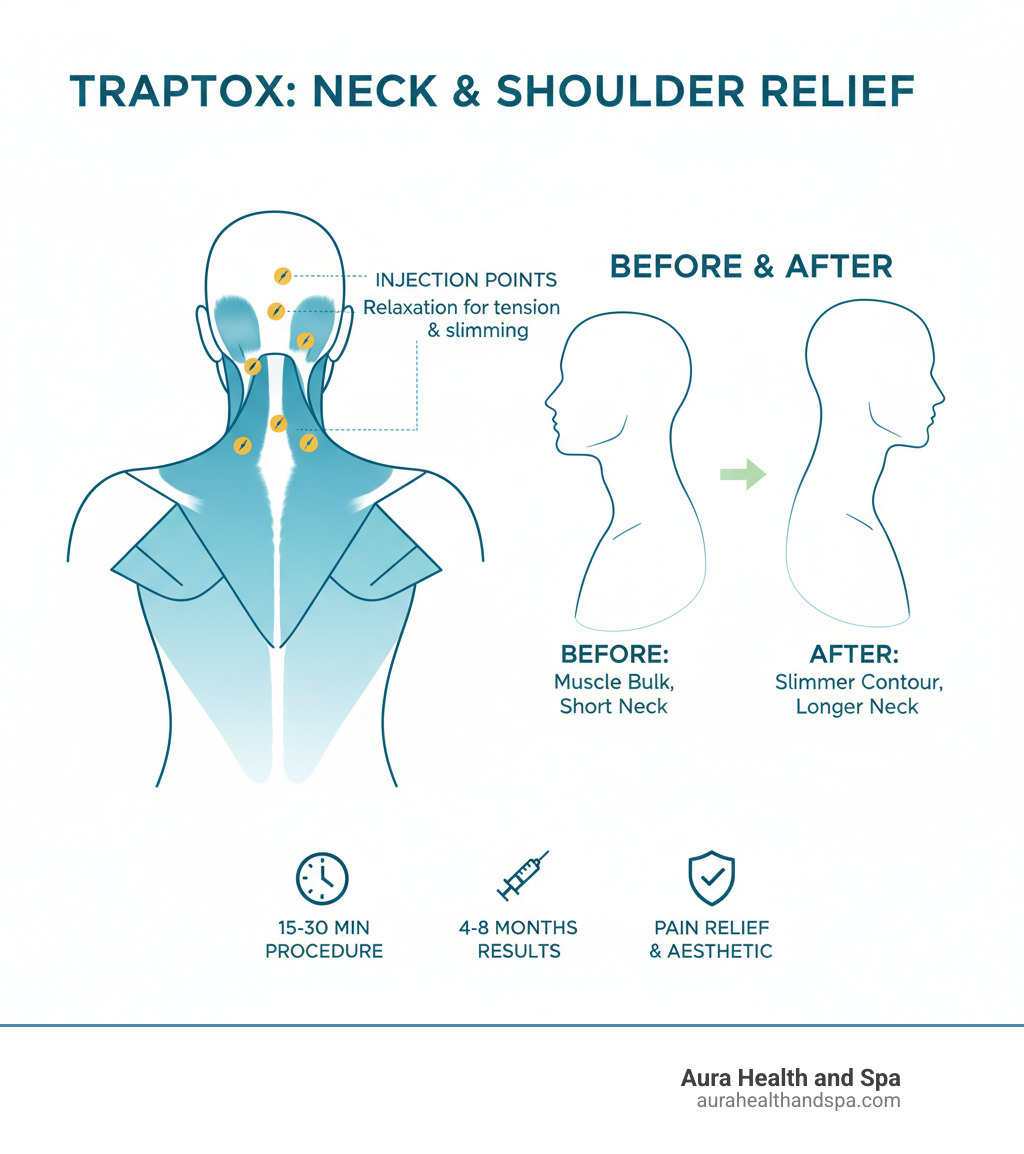
Botox trapezius muscle treatment, commonly known as “TrapTox,” is a therapeutic and cosmetic procedure where neuromodulator injections (like Botox or Dysport) are administered directly into the trapezius muscles of the upper back and shoulders. This treatment works by temporarily blocking nerve signals that cause muscle contractions, leading to:
Pain Relief: Reduces chronic neck and shoulder tension, alleviates tension headaches and migraines
Muscle Relaxation: Decreases muscle spasms and improves mobility in the neck and shoulder area
Cosmetic Slimming: Creates a longer-looking neck and slimmer shoulder contour as the muscle reduces in size over 1-2 months
Duration: Results typically last 4-8 months, with effects peaking at 2-4 weeks post-treatment
Dosage: Usually 40-100 units per side (50 units per side is considered the “sweet spot”)
Procedure Time: Quick 15-30 minute in-office treatment with minimal discomfort
When you spend your days hunched over a keyboard, it’s no surprise that occasional massages aren’t enough to unwind the tension in your neck and shoulders. Searches for “What is traptox?” have grown by over 5,000% nationwide in just the past three months, and for good reason.
This isn’t just another beauty trend. TrapTox addresses a real problem that affects millions of desk workers, professionals, and anyone dealing with chronic upper body tension. The treatment offers dual benefits: significant relief from pain and muscle tightness, plus a visible aesthetic improvement in your shoulder and neck contour.
As Dr. Reema Sethi, a Board Certified Emergency Medicine Physician with over 15 years of clinical experience and specialized training in medical aesthetics, I’ve seen how botox trapezius muscle treatments transform comfort and confidence. At Aura Health and Spa, I use my combined expertise to deliver safe, effective, and customized treatments.
In this guide, we’ll cover how TrapTox works, who it’s for, what to expect during treatment, and how to find a qualified provider who prioritizes your safety and results.
What is TrapTox and How Does It Work?
If you’ve been scrolling through social media lately, you’ve probably seen the term “TrapTox” popping up everywhere. But what exactly is it? Simply put, TrapTox is the popular name for injecting neuromodulators into your trapezius muscles—those large muscles that run across your upper back and shoulders.
The neuromodulators used in this treatment include familiar names like Botox, Dysport, Xeomin, and Jeuveau. While TrapTox might seem like the latest beauty craze, doctors have used these same neuromodulators therapeutically for over 20 years. What’s new is the growing recognition of how effective botox trapezius muscle injections can be for both pain relief and aesthetic improvement.
Trapezius Muscle Anatomy and Function
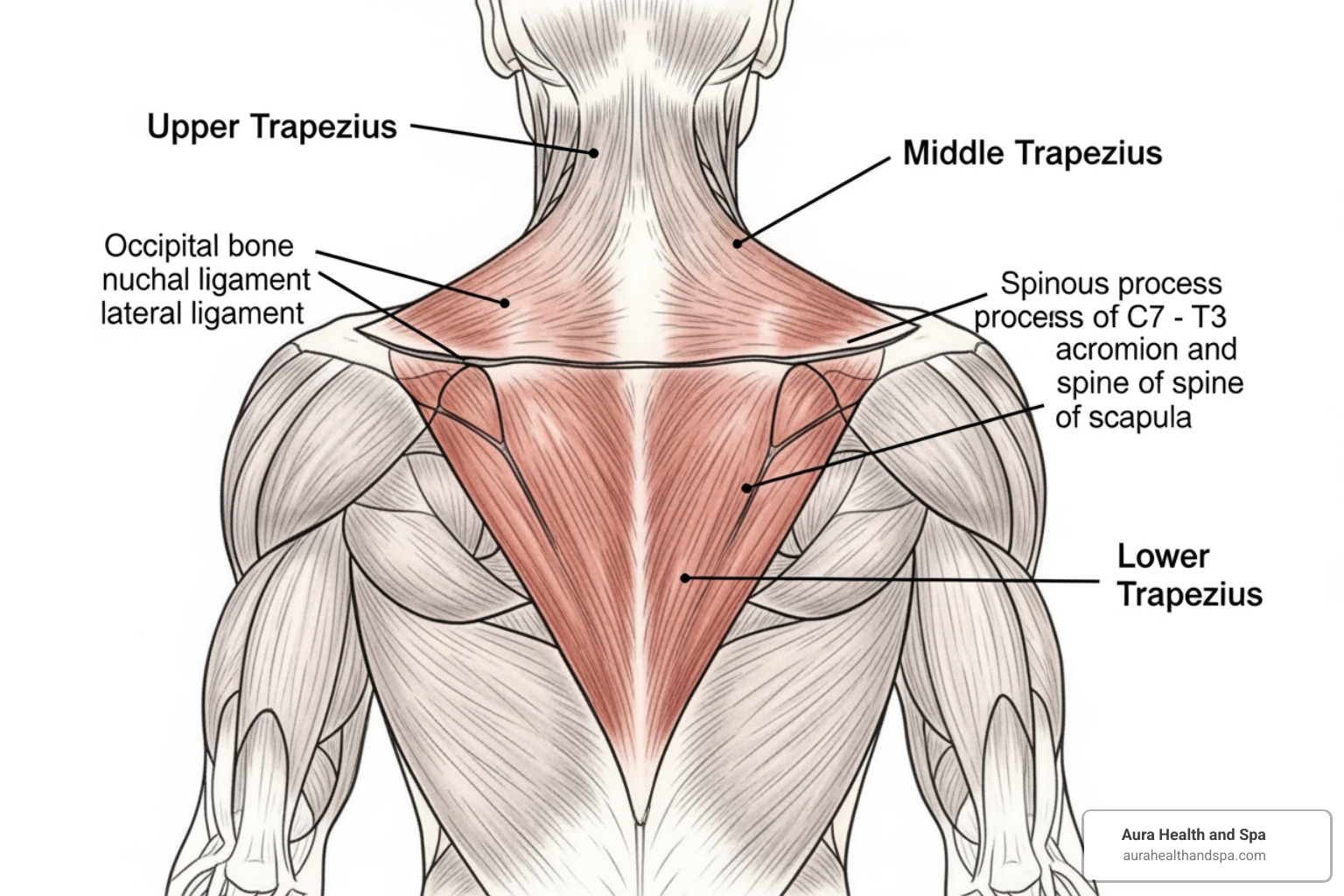
To understand the treatment, it helps to know the muscle. The trapezius is a large, triangular muscle extending from the base of your skull, down your spine to the mid-back, and out to your shoulders. This muscle is a workhorse, responsible for shrugging, rotating your shoulder blades, extending your neck, and lifting your arms. It’s a crucial stabilizer for nearly all upper body movements.
The Science Behind TrapTox: How Neuromodulators Work
The science is straightforward. A neuromodulator is injected into the trapezius, targeting the neuromuscular junction where nerves meet muscle fibers. It temporarily blocks the release of acetylcholine, the chemical messenger that signals muscles to contract. Without this signal, the muscle relaxes.
Over time, this reduced contraction leads to disuse atrophy—a natural process where inactive muscle fibers shrink. This results in less muscle bulk, reduced tension, and a slimmer, more elongated neck and shoulder line. This is the same principle that causes muscle loss in a casted limb, but here it’s used strategically for therapeutic and cosmetic benefit.
It’s worth noting that while botox trapezius muscle injections are incredibly effective, using neuromodulators in the trapezius for cosmetic purposes is considered an “off-label” use. This simply means it hasn’t received specific FDA approval for this exact purpose, even though the active ingredients are FDA-approved for other therapeutic and cosmetic applications. At Aura Health and Spa, our team has extensive experience and specialized training in these advanced applications, ensuring you receive safe, effective treatment. For more information about our comprehensive injectable treatments and expertise, visit our More info about Botox services page.
The Dual Benefits of Trapezius Botox: From Pain Relief to “Swan Neck”
What makes botox trapezius muscle injections so compelling is how they work on two levels at once. You’re not choosing between feeling better or looking better—you get both. It’s rare to find a treatment that addresses such different concerns with a single approach, but that’s exactly what makes TrapTox stand out.
Therapeutic Relief: Easing Chronic Pain and Tension
That persistent ache between your shoulder blades is a common complaint of modern life. Hours at a computer, stress, and poor posture from phone use create overactive, tight trapezius muscles, leading to daily discomfort.
This tension often manifests as chronic neck and shoulder discomfort that resists massage or stretching. It can lead to muscle strain, limited head mobility, and myofascial pain syndrome, where trigger points cause radiating pain. Many tension headaches and even some migraines originate from these tight trap muscles.
When these muscles are constantly contracted, they restrict your movement. Simple actions like checking your blind spot while driving become reminders of how limited your mobility has become. Botox trapezius muscle treatment addresses this by calming those overworked muscles, giving them a chance to finally relax.
The therapeutic benefits aren’t just anecdotal—there’s solid scientific evidence for pain management showing how neuromodulators can reduce trapezius muscle thickness and improve associated symptoms. For patients dealing with stress-related tension or poor posture consequences, this treatment offers significant relief.
Cosmetic Improvement: Contouring and Elongating the Neckline
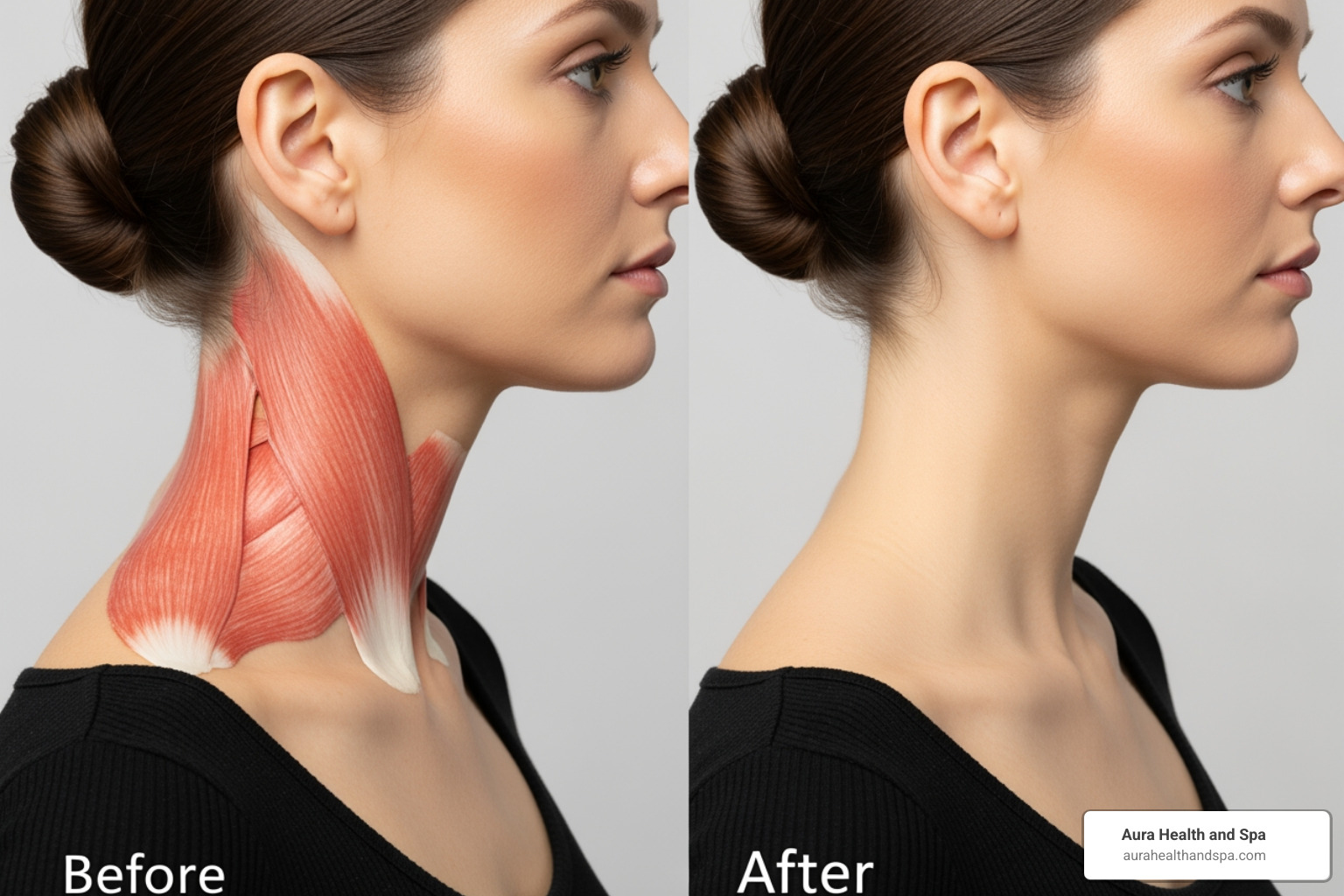
Aesthetically, as the trapezius muscle relaxes and slims through disuse atrophy, your upper body silhouette is transformed. A bulky, squared-off shoulder line becomes softer and more refined.
Trapezius hypertrophy (overdeveloped trap muscles) can make your neck look shorter and shoulders appear broad, whether due to genetics, exercise, or repetitive movements. This can create a silhouette many people wish to change.
The treatment works by slimming bulky shoulders and creating a longer neck appearance. As the muscle reduces in volume over several weeks, you’ll notice your neck looks more elongated and graceful. This is what people mean when they talk about the “swan neck” aesthetic—that neat, refined neckline that flows smoothly into relaxed shoulders.
The change is about improving shoulder contour and enhancing the neckline to create better overall proportions. Your collarbones become more visible, and off-the-shoulder tops suddenly look the way you always hoped they would. Research on aesthetic correction in women has documented how effective this approach is for improving attractiveness and beauty perception.
At Aura Health and Spa, we see patients who come in for one benefit and are delighted to find the other. Our expert injectors serving Plymouth, Sterling Heights, Ann Arbor, and throughout Michigan take time to understand your pain points and aesthetic goals. We treat the whole person, helping you feel comfortable and confident again.
The Traptox Procedure: What to Expect from Your Botox Trapezius Muscle Treatment
If you’re considering botox trapezius muscle injections, let’s walk through the journey—from consultation to maintaining your results.
Are You a Good Candidate for Trapezius Botox?
You may be an excellent candidate if you experience:
Chronic neck and shoulder tension from desk work, stress, or poor posture.
Bulky or overdeveloped trapezius muscles that create a “shrugged” look.
A desire to achieve a slimmer, more elongated “swan neck” aesthetic.
However, TrapTox is not recommended if you:
Have a neuromuscular disease (e.g., Myasthenia Gravis).
Are pregnant or breastfeeding.
Have weak or underdeveloped trapezius muscles.
Take certain interacting medications.
A thorough consultation at Aura Health and Spa is essential to review your medical history and ensure your safety.
The Injection Process: A Quick and Targeted Treatment
The TrapTox procedure is quick, typically lasting 15 to 30 minutes.
First, the treatment area is cleaned. For your comfort, we can apply a topical numbing cream, numbing spray, or offer Nitrous oxide (Pro-Nox) to help you relax.
Next, our expert injector will examine your muscles and map out specific injection points based on your unique anatomy and goals. This customized approach ensures we target the right areas for maximum effect while avoiding critical nerves, following established safety protocols like those in this Anatomical guide for injection.
Using a very fine needle, the neuromodulator is administered into multiple points across your upper trapezius muscles. The injections themselves take only 1-2 minutes, with most patients reporting minimal discomfort, like a slight pinch.
Dosage is custom to your muscle mass, tension, and goals. A typical treatment ranges from 60 to 200 units total, with 100 units (50 per side) being a common and effective dose. We customize the amount to ensure optimal results.
Aftercare, Results, and Longevity
After your injections, follow these simple guidelines for the first 24 hours:
Avoid massaging or rubbing the treated area to prevent the product from migrating.
Skip heavy lifting and strenuous exercise. Light walking is fine.
Mild bruising, swelling, or redness at the injection sites is normal and usually fades within a few days. Ice packs can help with any discomfort.
You can expect to see results on the following timeline:
Pain relief: Tension begins to ease within a few days, with full effects by two weeks.
Cosmetic slimming: Becomes visible in 2 to 4 weeks as muscles relax and reduce in size, creating a more elongated neckline.
Results typically last 4 to 8 months, which is longer than many other Botox applications. To maintain your results, we recommend maintenance treatments 2 to 3 times per year. Our commitment to long-term, natural-looking rejuvenation extends across all our services, from injectables to our comprehensive facial treatments, helping you feel confident every day.
Safety, Cost, and Finding a Qualified Provider
When considering botox trapezius muscle treatment, it’s important to be fully informed about safety, cost, and choosing a provider. At Aura Health and Spa, we believe in transparency.
Potential Risks and Side Effects of botox trapezius muscle injections
While TrapTox is generally safe with an experienced provider, potential side effects can occur.
Common side effects are minor and temporary, including bruising, swelling, redness, or soreness at the injection sites. These usually resolve within a few days.
Less common side effects may include temporary muscle weakness in the treated area (an intended effect), soreness in adjacent muscles as they compensate, or mild flu-like symptoms.
Rare risks involve the diffusion of the product to nearby muscles, which could potentially cause difficulty swallowing or affect arm movement. This risk highlights why choosing a provider with deep anatomical knowledge is crucial.
At Aura Health and Spa, our approach emphasizes precision, starting conservatively to ensure your safety and ideal results.
Understanding the Cost of TrapTox
The cost of TrapTox varies based on several factors:
Provider Expertise: More experienced injectors may charge more for their advanced skill and training.
Geographic Location: Prices differ depending on the local market.
Dosage Required: The total cost depends on the number of units needed, which is based on your muscle mass and goals. A typical treatment uses 80-200 units. For example, 100 units of Botox may cost around $1,300.
When you consider that results last 4-8 months, many clients find TrapTox cost-effective. However, insurance coverage is rare, especially for cosmetic purposes, due to its off-label status. We provide transparent pricing during your consultation.
How to Choose an Expert Injector
Choosing the right provider is the most critical step. This advanced treatment requires medical expertise, anatomical knowledge, and an artistic eye. Look for:
Credentials and Licensing: Ensure your injector is a licensed healthcare professional (MD, NP, PA, or RN) with specialized training.
Specific TrapTox Experience: Ask for a provider who has performed this exact procedure many times, not just general Botox injections.
Deep Anatomical Knowledge: Your injector must understand the complex muscle and nerve pathways of the trapezius to ensure safety and effectiveness.
An Aesthetic Eye & Portfolio: The provider should be able to assess your proportions, discuss realistic outcomes, and show you before-and-after photos of their work.
A Thorough Consultation: A great provider will take time to understand your goals, explain the risks, and answer all your questions without pressure.
At Aura Health and Spa, our brand is built on trust, precision, and visible results. Our medically trained staff in Plymouth, Sterling Heights, Ann Arbor, and across Michigan prioritize continuous training in the latest techniques to provide expert care.
Frequently Asked Questions about TrapTox
Here are answers to the most common questions we receive about botox trapezius muscle injections.
Does TrapTox hurt?
Most clients find the TrapTox procedure very tolerable. We use tiny needles, and the injections take only 1-2 minutes per side. The sensation is often described as a slight pinch. To ensure your comfort, we offer pain management options like topical numbing cream, a numbing spray, or Nitrous Oxide (Pro-Nox) for anxious patients. Your comfort is our priority.
Will TrapTox affect my ability to work out?
For the first 24 hours after treatment, avoid heavy lifting and strenuous exercise to allow the product to settle. You may notice temporary, mild weakness in your traps as they relax, which might make other shoulder muscles feel like they’re working harder. However, many clients find their workout form improves over time, as relaxing the overactive trapezius allows other muscle groups to engage more effectively. We will provide personalized guidance based on your fitness routine during your consultation.
How does TrapTox compare to other approaches?
Botox trapezius muscle injections offer unique, long-lasting benefits that other approaches can’t match, but they work best as part of a comprehensive plan.
Compared to Lifestyle Changes (Posture, Stretching): TrapTox provides 4-8 months of muscle relaxation from a single treatment, while lifestyle changes require ongoing discipline. The two are complementary; good habits can prolong your TrapTox results.
Compared to Massage/Physical Therapy: Massages offer temporary, short-term relief and require frequent sessions. TrapTox provides sustained relaxation for months, often making it more cost-effective over time.
The Key Difference: TrapTox works by chemically blocking nerve signals to relax the muscle (chemical denervation), leading to a reduction in size. Other methods work through manual manipulation or habit correction. Crucially, only TrapTox provides the significant aesthetic benefit of slimming the shoulders and creating the “swan neck” look.
We often recommend combining TrapTox with other healthy habits for the best long-term outcome.
Conclusion: Is Trapezius Botox Right for You?
Botox trapezius muscle treatment, or TrapTox, offers a unique dual benefit: relief from chronic neck and shoulder pain and a slimmer, more graceful “swan neck” aesthetic. If you’re tired of temporary fixes for tension and want a more refined shoulder contour, this quick, long-lasting procedure could be your solution.
However, the success and safety of TrapTox depend entirely on your provider’s expertise. It requires a deep understanding of anatomy and an artistic eye to achieve natural-looking results while minimizing risks.
At Aura Health and Spa, our team, led by Dr. Reema Sethi, a Board Certified Emergency Medicine Physician with specialized aesthetic training, embodies this blend of science and artistry. Our medically trained staff serving Plymouth, Sterling Heights, Ann Arbor, and across Michigan are dedicated to creating personalized treatment plans that deliver visible results safely.
If you’re ready to explore whether botox trapezius muscle treatment is right for you, let’s start the conversation. We’re here to answer your questions and guide you toward feeling more comfortable and confident.
Migraine injection treatments offer hope for millions who struggle with debilitating headaches that resist traditional oral medications. If you’re one of the approximately one in six Americans affected by migraine, you know how these episodes can derail your work, relationships, and daily life.
Quick Answer: Your Migraine Injection Options
Injection Type
Purpose
Frequency
How It Works
CGRP Inhibitors
Prevention
Monthly or quarterly
Block migraine-triggering proteins
Botulinum Toxin (Botox)
Prevention
Every 3 months
Block pain signals at nerve endings
Triptans/DHE
Acute relief
As needed
Stop active migraine attacks
Nerve Blocks
Targeted relief
Variable
Numb specific pain pathways
The reality: oral medications don’t work for everyone. Pills can cause side effects, require daily dosing you might forget, or simply fail to prevent your next attack. That’s where injectable treatments step in.
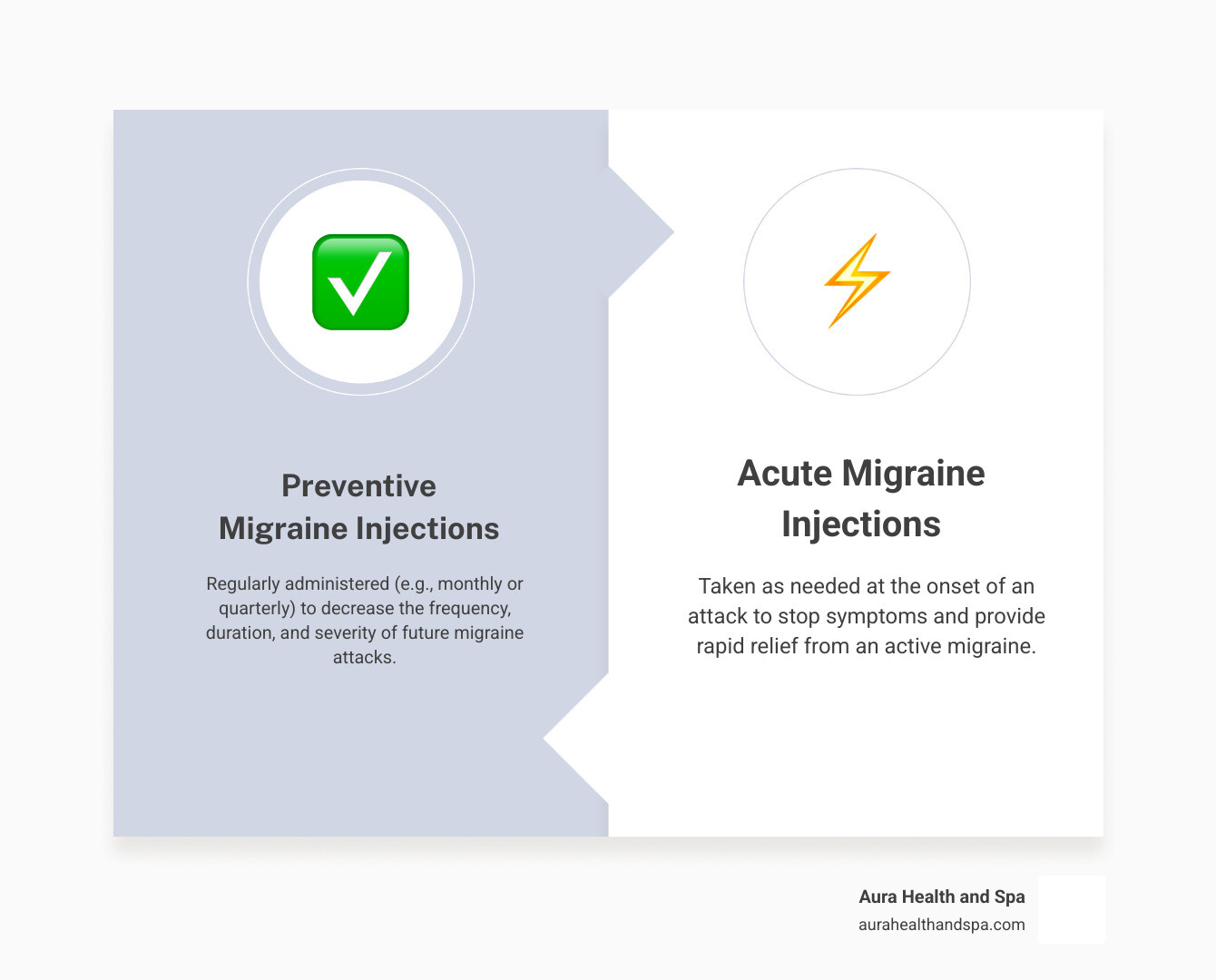
Injectable migraine treatments fall into two main categories:
Preventive injections reduce how often migraines occur
Acute injections stop a migraine that’s already started
The good news? Today’s injectable options are more sophisticated than ever. Some you can administer yourself at home. Others require a brief office visit. Many patients experience a 50% or greater reduction in monthly migraine days—a change that brings back the life they thought they’d lost.
As Dr. Reema Sethi, a board-certified emergency medicine physician with over 15 years of experience, I’ve witnessed how debilitating migraines can be—and how effective the right migraine injection treatment can be for patients who’ve exhausted other options. Now, at Aura Health & Spa in Metro Detroit, I help patients in locations like Plymouth, Sterling Heights, and Ann Arbor explore these advanced treatment options in a comfortable, professional setting.
This guide will walk you through each type of migraine injection, how they work, what to expect, and how to determine which option might be right for you.
Understanding the Main Types of Migraine Injections
When you’re dealing with migraine, understanding your treatment options can feel overwhelming. But here’s the good news: injectable treatments have come a long way, and they’re helping people reclaim their lives in ways oral medications often can’t.
At Aura Health & Spa, we believe knowledge is power. So let’s break down the main categories of migraine injection treatments you might encounter: preventive therapies that stop migraines before they start, acute therapies that halt an attack in progress, and procedural injections that target specific pain areas.
Preventive Injections: CGRP Inhibitors
Imagine being able to stop a migraine before it even begins. That’s exactly what CGRP inhibitors do—and they’re revolutionizing migraine prevention.
These medications are monoclonal antibodies that target a specific protein called calcitonin gene-related peptide, or CGRP for short. This protein plays a major role in triggering migraine attacks, and by blocking it, these injections can dramatically reduce how often migraines occur.
Four main CGRP inhibitors are available today: erenumab (Aimovig), fremanezumab (Ajovy), galcanezumab (Emgality), and eptinezumab (Vyepti). While each has subtle differences, they’re all remarkably effective at preventing migraine.
The real game-changer? Most of these are designed for self-injection at home. Depending on which medication you choose, you might inject monthly or as infrequently as once every three months. That convenience means you’re not constantly running to the doctor’s office.
Take Emgality, for example. Studies show it can reduce overall headache days by 63% and severe headache days by 50%. Some people notice improvements within the first week. That’s the kind of life-changing relief that makes these preventive migraine injection treatments worth considering.
Preventive Injections: Botulinum Toxin
Yes, we’re talking about Botox—but not just for wrinkles. Since 2010, onabotulinumtoxinA has been FDA-approved specifically for preventing chronic migraine in people who experience headaches 15 or more days per month.
How does it work? Botox blocks pain signals at the nerve endings in your head and neck. Scientific research on Botulinum toxin for chronic migraine suggests it may also prevent the release of CGRP from nerve cells, giving it a double mechanism for fighting migraine.
The treatment involves multiple small injections around your head, neck, and shoulders—about 31 injections total, administered every 12 weeks. It sounds like a lot, but the procedure is quick and relatively comfortable.
At Aura Health & Spa, our medically trained staff in Plymouth, Sterling Heights, and Ann Arbor have extensive experience with Botox treatments. While many people know us for aesthetic Botox, we’re equally skilled at the precise, therapeutic application that helps chronic migraine sufferers find lasting relief.
Acute (Abortive) Injections for Rapid Relief
Even with the best prevention, breakthrough migraines can still happen. That’s when acute migraine injection treatments become your rescue plan.
These medications aren’t about prevention—they’re designed to stop an active migraine attack as quickly as possible. Think of them as your emergency brake.
Triptans, particularly sumatriptan, are the most common acute injections. They work by narrowing blood vessels in the brain and blocking pain signals. You can self-inject sumatriptan at the first sign of a migraine, and it acts fast—often bringing relief within an hour. It’s also effective for cluster headaches.
Dihydroergotamine (DHE) is another powerful option. Like triptans, DHE constricts blood vessels to stop the throbbing pain and other migraine symptoms in their tracks.
These injections are used as needed—only when a migraine strikes. Just remember: using them too frequently (more than 10 days per month) can actually cause medication-overuse headaches. Your doctor will help you find the right balance.
Other Procedural Injections: Nerve Blocks & Trigger Points
Sometimes the most effective approach is targeting pain right at its source. That’s where procedural injections come in.
Occipital nerve blocks involve injecting a local anesthetic—sometimes combined with a steroid—around the occipital nerves at the back of your head. By temporarily blocking these pain pathways, nerve blocks can reduce both the severity and frequency of your migraine attacks. The frequency of these treatments varies based on your individual needs.
Trigger point injections address a different problem: muscle tension. A 2014 study on trigger point pain in migraine found that around 94% of people with migraine experience trigger point pain—those tender knots in your muscles that seem to radiate discomfort.
These injections target specific muscle knots in your head, neck, and shoulders. By injecting an anesthetic directly into these tight spots, we can relax the muscle and relieve the referred pain that contributes to your migraines.
Both nerve blocks and trigger point injections are administered by a medical professional in a clinical setting. They offer a focused, targeted approach for people whose migraine pain concentrates in specific areas.
How a Migraine Injection Works: The Science of Relief
Understanding the science behind these treatments isn’t just interesting—it helps you make informed decisions and feel confident about your care. When you know why a migraine injection works, the treatment becomes less mysterious and more empowering.
Targeting CGRP: The Breakthrough in Migraine Prevention
For decades, migraine was a puzzle with missing pieces. Then researchers finded something remarkable: a protein called calcitonin gene-related peptide, or CGRP for short. This molecule turned out to be a major player in migraine attacks.
During a migraine episode, your body releases liftd levels of CGRP. In fact, a 2013 study found that women with chronic migraine had blood CGRP levels more than twice as high as women without migraine. This protein doesn’t just sit there quietly—it actively promotes vasodilation, the widening of blood vessels in your brain. This widening increases pain signals and inflammation, setting off the cascade of symptoms you know all too well.
CGRP inhibitors work like a highly trained security team, intercepting the problem before it starts. Some of these medications bind directly to the CGRP molecule itself, preventing it from ever reaching its target. Others take a different approach, attaching to the CGRP receptor and blocking the protein from activating it. Either way, the result is the same: the CGRP pathway gets interrupted, and your migraine frequency drops.
The beauty of this targeted approach is precision. Unlike older preventive medications that affected multiple systems in your body, CGRP inhibitors zero in on one specific pathway. This means fewer side effects and better tolerability for most people. If you’re curious about the detailed science behind this breakthrough, you can explore more about the CGRP pathway in migraine.
How Botulinum Toxin Prevents Migraine Pain
You might wonder how the same substance that smooths wrinkles can prevent migraine pain. The answer lies in what Botox does beneath the surface—and it goes far beyond muscle relaxation.
When we administer Botox for chronic migraine, we inject it into specific muscles around your head and neck. At these injection sites, the botulinum toxin blocks the release of neurotransmitters—the chemical messengers that nerves use to communicate. By preventing these signals from being sent, Botox essentially quiets down overactive nerves that would otherwise transmit pain signals to your brain.
But there’s more to the story. Recent research suggests that Botox may also reduce the release of CGRP itself from nerve cells. This means it’s working on multiple levels: stopping pain signals from traveling and reducing the inflammatory proteins that trigger migraine in the first place. It’s a mechanism that goes well beyond simple muscle relaxation, which is why Botox has become such a valuable tool for people with chronic migraine.
At Aura Health & Spa, our medical team has extensive experience with precise Botox administration. We understand exactly where to place each injection to maximize your relief while maintaining natural facial movement and expression.
The Mechanism of an Acute Migraine Injection
When a migraine has already started, you need a different strategy. Acute migraine injection treatments like sumatriptan and DHE work quickly because they target the active migraine process happening right now in your brain.
These medications are serotonin receptor agonists, which means they activate specific serotonin receptors in your brain. When these receptors are activated, they trigger vasoconstriction—the narrowing of blood vessels. Since vasodilation (widening) is a key component of migraine pain, reversing this process helps stop the attack in its tracks.
But that’s not all these medications do. They also block the release of pain-causing substances and reduce nerve activity throughout the pain pathways. It’s like hitting the emergency brake on a migraine that’s already in motion. The result is rapid relief when you need it most, often within minutes to an hour after injection.
This is why timing matters with acute treatments. The sooner you can administer them after your migraine symptoms begin, the more effectively they can halt the pain cascade before it fully develops.
Administration, Dosing, and What to Expect
Once you and your doctor decide a migraine injection is right for you, the next step is understanding how it’s administered and what your treatment schedule will look like. The good news? Many of these treatments are surprisingly convenient, and our team at Aura Health & Spa is here to make sure you’re comfortable with every aspect of your care.
Self-Injection vs. In-Office Procedures
The way you receive your migraine injection depends entirely on which treatment you’re using. Some you can do yourself at home, while others require a visit to a medical professional.
Many CGRP inhibitors, like Aimovig, Ajovy, and Emgality, are designed for self-administration at home. These come in two main formats: autoinjector pens and prefilled syringes. Autoinjector pens are incredibly user-friendly—often just a push-down or push-button mechanism that’s designed to be done by the person themselves. Prefilled syringes require you to see the needle, which some people find intimidating, but they’re sometimes considered less painful. If you’re new to self-injection, don’t worry. We provide thorough training and support to ensure you feel confident managing your treatment independently.
One CGRP inhibitor, Eptinezumab (Vyepti), works differently. It’s given as an intravenous (IV) infusion in our comfortable Metro Detroit clinic. The infusion takes about 30 minutes, once every three months. The advantage? The medication gets into your system and starts working faster—clinical trials show that eptinezumab can reduce migraine frequency the day after the infusion.
For treatments like Botox for chronic migraine, nerve blocks, and trigger point injections, you’ll need a trained medical professional to administer them. Botox involves a series of 31 to 39 small injections into specific areas of your head and neck. These precise placements are crucial for effectiveness, which is why they’re performed by our expertly trained staff at Aura Health & Spa in Plymouth, Sterling Heights, and Ann Arbor. We ensure both your comfort and the best possible results.
Typical Dosing Schedules for Preventive Injections
Consistency matters when it comes to preventive treatments. Your body needs time to respond, and sticking to your recommended schedule gives you the best chance at meaningful relief.
CGRP inhibitors offer flexible dosing based on the specific medication and your individual needs. You might need a CGRP injection once a month or once every four months, or sometimes less frequently. For example, Emgality is typically given monthly, while Vyepti is administered quarterly. This flexibility means you can find a schedule that fits your lifestyle.
Botulinum toxin (Botox) injections for chronic migraine are usually given every 10 to 12 weeks—roughly every three months. Here’s something important to know: it may take multiple rounds of injections over the course of up to six months before you reach the maximum benefit of Botox. Patience pays off, though. With consistent treatment, many of our patients experience significant long-term relief that transforms their quality of life.
Nerve blocks have more variable schedules. Some patients find relief for several weeks after a single treatment, while others benefit from more frequent injections. This is something we’ll work out together based on how your body responds. At Aura Health & Spa, we believe in personalizing your treatment plan to match your unique needs and response to therapy.
Frequently Asked Questions about Migraine Injections
We know you have questions, and we’re here to provide clear, straightforward answers. These are the questions we hear most often at Aura Health & Spa, and we want you to feel fully informed as you consider your options.
How effective is a migraine injection?
This is the question that matters most, isn’t it? After all, you’re looking for real relief, not just another treatment that might help.
The good news is that migraine injection treatments have proven remarkably effective for many people. When it comes to CGRP inhibitors, research shows that many patients experience a 50% or greater reduction in monthly migraine days. Think about what that could mean for you—cutting your migraine days in half. Studies on specific medications have shown even more encouraging results: erenumab can lower severe headache days by 50%, while fremanezumab reduces overall headache days by 63%.
Botox for chronic migraine has shown similarly impressive results, particularly for people who experience at least 15 migraine days a month. It’s been a game-changer for those with chronic migraine who haven’t found adequate relief elsewhere.
The effectiveness of these preventive treatments builds over time with consistent use. You’re not just treating one migraine—you’re changing your baseline, giving yourself more migraine-free days to live your life.
Acute injections like sumatriptan and DHE work differently. They’re not about prevention; they’re about stopping a migraine that’s already started. While they won’t reduce your future migraine frequency, they can provide powerful, fast-acting relief when you need it most, often within 30 to 60 minutes.
How much do migraine injections cost?
Let’s talk honestly about cost, because it’s a real consideration for everyone.
CGRP inhibitors typically cost around $7,000 per year without insurance coverage. That’s a significant investment, and we understand that’s not feasible for everyone without help.
Botox treatments for chronic migraine tend to be more budget-friendly, ranging from $300 to $600 per treatment session. Since Botox is administered every three months, your annual cost could be considerably less than CGRP inhibitors if you’re paying out of pocket.
Here’s the reality: insurance coverage varies dramatically. Some plans cover these treatments generously after you’ve tried other options. Others require extensive prior authorization or may not cover them at all. We always recommend calling your insurance provider before starting treatment to understand your specific benefits, deductibles, and any requirements they have.
At Aura Health & Spa, we believe in complete transparency about pricing. During your consultation, we’ll give you clear information about costs upfront—no surprises, no hidden fees, no unnecessary add-ons. We want you to make an informed decision that fits both your health needs and your budget. Many pharmaceutical companies also offer patient assistance programs that can significantly reduce your out-of-pocket costs, and we’re happy to help you explore those options.
How do I know if a migraine injection is right for me?
This is perhaps the most important question, and the answer starts with a conversation. Migraine injections aren’t appropriate for everyone, which is why a thorough consultation with a medical professional is essential.
At Aura Health & Spa, we take time to understand your unique situation. We’ll start by discussing your migraine history in detail—how often they occur, how severe they are, what your triggers might be, and how these attacks affect your daily life. We’ll review any oral medications or other treatments you’ve already tried. Many of our clients come to us after traditional oral medications haven’t provided the relief they need, and that’s often when injectable treatments become worth considering.
Your complete medical history matters too. Certain migraine injection treatments may not be recommended if you have specific health conditions. For instance, there are still unanswered safety questions about CGRP injectables for people with recent vascular disease or poorly controlled cardiovascular disease. These treatments are also generally not approved for children, so age is a factor we’ll consider.
We’ll talk about your lifestyle and preferences as well. Are you comfortable with self-injections at home, or would you prefer coming to our clinic for in-office treatments? Are you looking primarily for prevention, or do you need acute relief options for when a migraine strikes? Your goals and comfort level guide our recommendations.
If you’re pregnant, planning to become pregnant, or currently breastfeeding, we’ll have an honest discussion about timing. CGRP injectables, for example, stay in your system for a long time, so doctors typically ask people to stop these treatments about five to six months before trying to conceive.
Our guiding principle at Aura Health & Spa is “Results First.” We’re not here to push any particular treatment—we’re here to help you find what actually works. Our medically trained staff prioritizes education and personalized care, ensuring your treatment plan is safe, effective, and custom specifically to your needs. We want to help you achieve measurable improvement in your migraine frequency and severity, so you can love your reflection again—not just in the mirror, but in how you feel every day, living with fewer migraines. Find out if Botox for migraine is right for you by scheduling a consultation with our team in Plymouth, Sterling Heights, or Ann Arbor.
Conclusion: Taking the Next Step Towards Fewer Migraine Days
Living with frequent migraines doesn’t have to be your reality. Throughout this guide, we’ve explored how migraine injection therapies are offering real hope to people who’ve struggled for years with debilitating headaches. From preventive treatments like CGRP inhibitors and Botulinum toxin that reduce how often migraines occur, to acute injections like triptans and DHE that stop attacks in their tracks, to targeted procedural options like nerve blocks and trigger point injections—you now have a comprehensive understanding of what’s available.
The science behind these treatments is remarkable. Whether it’s blocking the CGRP protein that triggers migraine attacks, preventing pain signals at nerve endings, or stopping the pain cascade of an active migraine, these therapies represent a genuine breakthrough for migraine sufferers. And perhaps most importantly, you’ve learned that finding the right treatment is a personalized journey that starts with an honest conversation about your symptoms, your medical history, and your goals.
At Aura Health & Spa, serving Plymouth, Sterling Heights, and Ann Arbor in Metro Detroit, we understand that confidence starts with results you can see—and feeling like yourself again, free from constant migraine pain, is one of the most powerful results we can help you achieve. Our team of medically trained professionals brings the same precision and expertise to therapeutic treatments like Botox for migraine that we apply to our aesthetic services. We believe in transparency, education, and creating personalized treatment plans that actually work for your life.
If you’re tired of oral medications that don’t deliver relief, or if you’re simply ready to explore whether injectable treatments could give you more migraine-free days, we’re here to help. Our approach is straightforward: no upselling, no unnecessary add-ons—just honest guidance rooted in medical expertise and a genuine commitment to helping you feel better.
Taking the next step is simple. Schedule a consultation with our team, and we’ll sit down with you to discuss your migraine history, review which treatment options might be right for you, and answer every question you have. You deserve to live a life that’s not controlled by migraine pain.
Understanding Neurotoxin Treatment for Chronic Migraines
Botox migraine treatment is a preventive therapy using neurotoxin injections to reduce the frequency and severity of chronic migraines. Here’s what you need to know:
What it is: FDA-approved neurotoxin injections that block pain signals before migraines start.
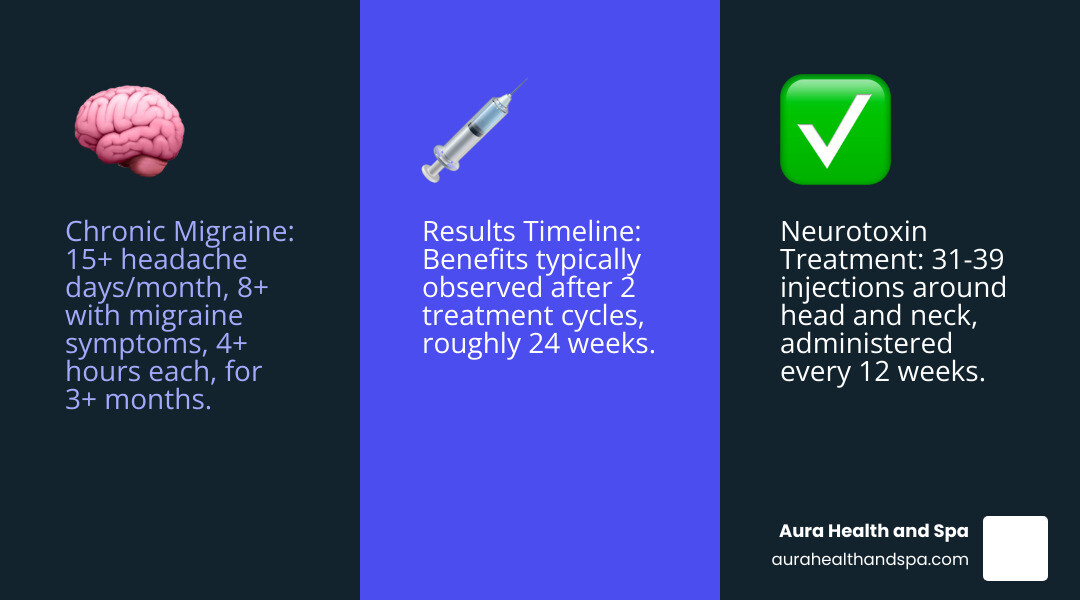
Who qualifies: Adults with chronic migraine (15+ headache days per month, lasting 4+ hours each).
How it works: Small injections into specific head and neck muscles every 12 weeks.
Expected results: An average of 8-9 fewer headache days per month after two treatment cycles.
Not for everyone: Not effective for episodic migraine (14 or fewer headache days per month).
For the 3.3 million U.S. adults with chronic migraine, life often means missing work, canceling plans, and feeling like a spectator. Fortunately, neurotoxin therapy has been a proven preventive treatment since the FDA approved it in 2010.
Important clarification: While “Botox” is a common term for this treatment, it’s a brand name. Several FDA-approved neurotoxins exist, each with subtle differences.
Aura Health & Spa does not offer Botox Cosmetic. We provide three proven neurotoxin options: Dysport, Jeuveau, and Daxxify. Other brands include Xeomin and Letybo. All work similarly to prevent chronic migraines, but knowing which product you receive is key for tracking results.
As Dr. Reema Sethi, a board-certified emergency medicine physician with over 15 years of experience, I’ve witnessed the relief neurotoxin therapy provides. At Aura Health & Spa, I combine my medical expertise with advanced aesthetic training to deliver safe, effective, and customized treatments.
What is Botulinum Toxin and How Does It Prevent Migraines?
Botulinum toxin is a purified protein derived from Clostridium botulinum bacteria. In its medical-grade form, it is one of the most studied and safe therapeutic agents available, refined for both safety and effectiveness in treatments like Dysport, Jeuveau, and Daxxify.
For chronic migraines, this neurotoxin works by interrupting pain transmission pathways between the brain and the nerves in the head and neck. It blocks the release of pain-associated chemicals before they can trigger a migraine cascade. While these treatments also relax muscles (the effect known for smoothing wrinkles), the primary benefit for migraines comes from calming the sensory nerves and modifying the pain network’s electrical activity. This approach prevents migraines before they start.
The FDA approved botulinum toxin therapy for chronic migraine in 2010, and since then, over a million patients have found relief. We are proud to offer these proven therapies at Aura Health & Spa in Plymouth, Sterling Heights, and Ann Arbor, Michigan.
Understanding Botulinum Toxin: Beyond the ‘Botox’ Brand
“Botox” is a brand name, not a generic term, similar to “Kleenex” for tissues. This distinction is important for medical treatments like botox migraine therapy.
Several FDA-approved neurotoxin brands exist. While all use purified botulinum toxin to block nerve signals, they have unique characteristics, such as molecular structure, how they spread, onset time, and duration of results. These nuances allow an experienced practitioner to select the best product for your needs.
At Aura Health & Spa, we offer Dysport, Jeuveau, and Daxxify—not Botox Cosmetic. We chose these products for the flexibility they provide in customizing treatments. For context, other brands include Xeomin (which lacks certain proteins), and Letybo (the newest option, which we may offer in the future).
Knowing which product you receive is vital for tracking what works best for your body, ensuring consistent and optimal results. We believe in full transparency, so you will always know what you are receiving and why it was chosen for you.
Are You a Candidate for Neurotoxin Migraine Treatment?
Neurotoxin therapy is specifically FDA-approved for adults aged 18 and older who meet the criteria for chronic migraine.
Chronic migraine is defined as experiencing 15 or more headache days per month, with each headache lasting 4 hours or more, for at least three months. At least 8 of those days must include migraine symptoms like throbbing pain, nausea, or sensitivity to light and sound.
If you have fewer than 15 headache days per month, you likely have episodic migraine. Research shows that neurotoxin treatments are not effective for episodic migraine, only the chronic form.
An accurate diagnosis is essential. We recommend tracking your symptoms before your consultation: note the frequency, duration, and intensity of your headaches, along with any other symptoms like visual disturbances (aura) or nausea. This information is crucial for determining if botox migraine treatment with Dysport, Jeuveau, or Daxxify is right for you.
While highly effective, neurotoxin therapy is not safe for everyone. Your safety is our top priority, and we must be clear about who should not receive this treatment.
Pregnancy and breastfeeding: Due to a lack of research, these treatments are not administered to patients who are pregnant, planning to become pregnant, or breastfeeding.
Known allergies: You should not receive this treatment if you have a known allergy to any botulinum toxin product (Dysport, Jeuveau, Daxxify, Botox Cosmetic, etc.). Some formulations also contain cow’s milk protein, so a detailed allergy history is vital.
Pre-existing neuromuscular disorders: Conditions like Myasthenia Gravis or Lambert-Eaton Syndrome increase the risk of serious side effects, as neurotoxins affect nerve-muscle communication.
Active infection: If you have an infection at a proposed injection site, treatment must be postponed until it has fully healed to prevent complications.
A thorough and honest medical history during your consultation is essential for ensuring your safety and providing responsible care.
The Process: What to Expect from Your Neurotoxin Migraine Treatment
Your journey at Aura Health & Spa begins with a thorough consultation with Dr. Sethi or another specialist. We review your medical history and migraine patterns to create a custom treatment plan and confirm that neurotoxin therapy is the right solution for you.
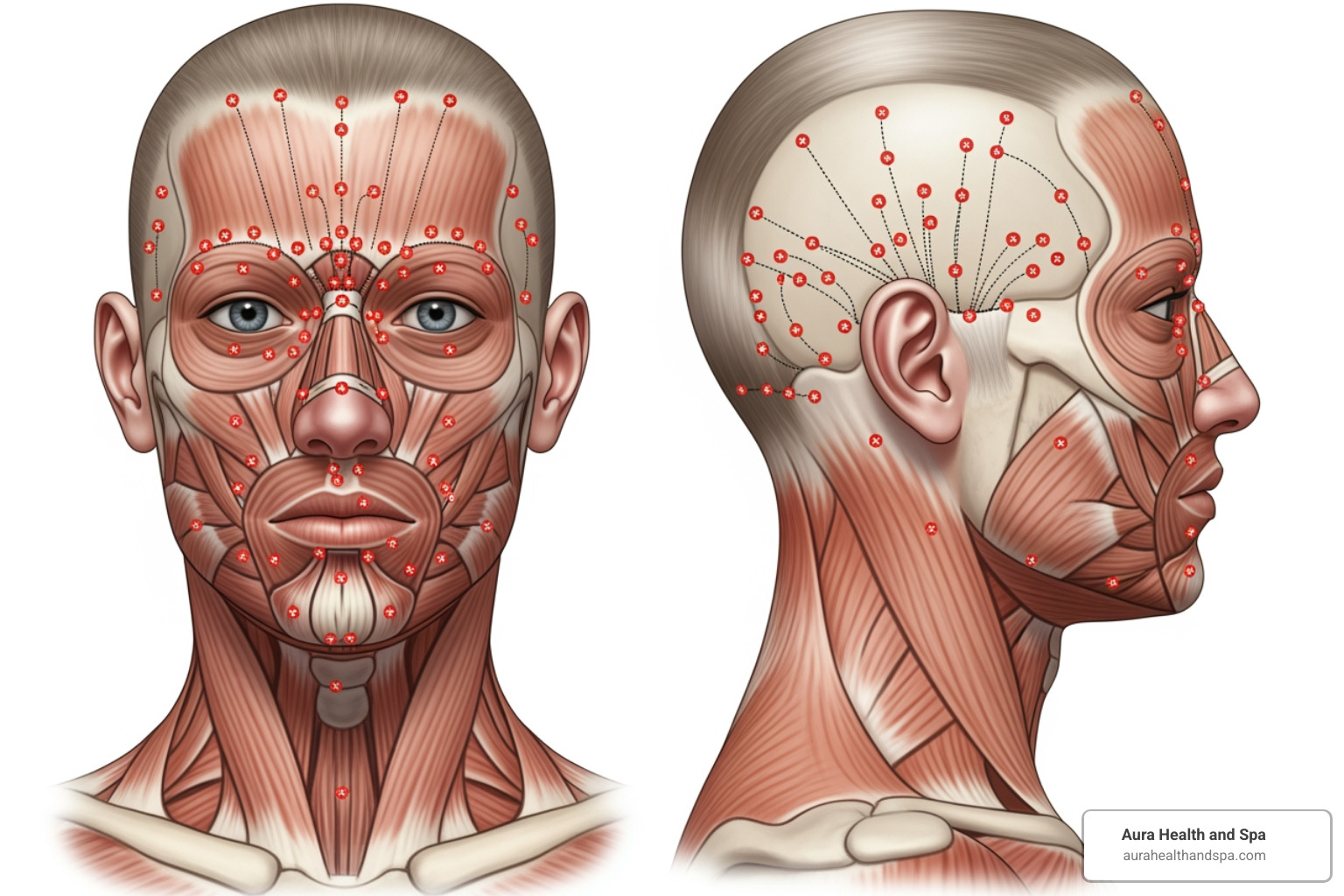
The treatment itself follows the proven PREEMPT protocol for chronic migraine. This involves 31 to 39 small injections with a very fine needle across seven key muscle areas: the forehead, temples, the back of your head and neck, and your shoulders. The injections are shallow and most patients report only a brief pinch. If you have specific trigger points, we can target those areas with additional injections. The entire appointment takes about 20 minutes.
There is no downtime, but we provide post-treatment care instructions to ensure the best results. For 24 hours, you should avoid rubbing the treated areas, strenuous exercise, and heavy lifting. These precautions prevent the neurotoxin from migrating and reduce the risk of bruising.
Your First Two Neurotoxin Migraine Treatments
Neurotoxin therapy for migraines is a preventive treatment that requires patience, as benefits build gradually. Your first two treatments will be scheduled 12 weeks apart. This timing is based on research showing the cumulative effects of the neurotoxin, which progressively calms the overactive pain pathways.
Some patients notice improvements within a month of their first treatment, such as fewer or less severe headaches. However, the full benefit is typically seen after the second treatment, around the 24-week mark, with patients experiencing an average of 8 to 9 fewer headache days per month. The effects often continue to improve with subsequent treatments.
Commitment to the 12-week treatment schedule is key. Consistency ensures you build and maintain the cumulative benefits, giving you the best chance to reclaim your life from chronic migraines.
Benefits, Risks, and Results of Neurotoxin Therapy
Understanding the potential outcomes of neurotoxin therapy is key to making an informed decision. When administered by an experienced professional, botox migraine treatment (using Dysport, Jeuveau, or Daxxify) can be highly effective, but it’s important to weigh the benefits against the risks.
Potential Benefits of Using Botulinum Toxin
As a preventive approach, neurotoxin therapy is designed to stop migraines before they start. The primary benefits include:
Reduced Headache Frequency: Clinical studies show patients experience an average of 8 to 9 fewer headache days per month after 24 weeks of treatment.
Reduced Migraine Severity: Many patients report that when headaches do occur, they are less intense and more manageable.
Improved Quality of Life: Fewer, less severe migraines mean more energy for work, family, and social activities. A survey found 91% of patients wished they had started treatment sooner, citing better overall function and a higher tolerance to triggers.
Less Reliance on Acute Medications: By preventing migraines, you may find yourself using fewer pain relievers, reducing concerns about medication overuse.
Risks and Side Effects of Neurotoxin Migraine Injections
Neurotoxin injections are generally safe, but side effects can occur.
Common side effects are typically mild and temporary, including:
Pain, tenderness, bruising, or swelling at the injection site
Neck pain or headache
Drooping eyelid (ptosis), which is temporary
Mild muscular weakness or stiffness near injection sites
Rare but serious side effects require immediate medical attention. While there have been no confirmed serious cases of toxin spread at the recommended dose for chronic migraine, you must be aware of the signs. Call your doctor or seek emergency care if you experience difficulty swallowing or breathing, vision problems, widespread muscle weakness, slurred speech, or loss of bladder control.
Timeline for Results
Patience is essential, as results are gradual. Some patients notice improvements within four weeks of their first treatment. However, the most significant relief typically occurs after two full treatment cycles (at week 24). The pain-blocking effects last approximately 10 to 12 weeks, which is why a consistent treatment schedule of every three months is recommended to maintain results.
Comparing Treatments and Finding a Qualified Provider
Neurotoxin therapy for migraines is a powerful option, often integrated into a comprehensive treatment plan. Unlike oral preventive medications (e.g., beta-blockers, antidepressants) that affect the whole body, neurotoxin therapy is a localized treatment targeting pain pathways in the head and neck. This makes it an excellent alternative for those who haven’t responded to oral medications or prefer not to take daily pills.
It can also be used alongside other modern treatments, like CGRP inhibitors. At Aura Health & Spa, we create an individualized plan that integrates botox migraine therapy (using Dysport, Jeuveau, or Daxxify) with other strategies for your body and lifestyle.
The FDA approved neurotoxin treatment for chronic migraine in 2010 based on rigorous clinical trials. It is important to note that it is not approved for episodic migraine (14 or fewer headache days per month), as research did not show the same benefit.
Most insurance plans, including Medicare and Medicaid, cover this treatment if you have a chronic migraine diagnosis and have already tried other preventive medications without success. Without insurance, costs can be high, but many pharmaceutical companies offer patient savings programs that can significantly reduce out-of-pocket expenses. We can help you find these resources.
Finding a Qualified Healthcare Professional
The success of botox migraine therapy depends heavily on the injector’s skill. This therapeutic treatment requires a deep understanding of cranial anatomy and specific injection protocols.
While neurologists often prescribe this treatment, it can be administered by other trained medical professionals. At Aura Health & Spa, Dr. Reema Sethi, a board-certified emergency medicine physician with over 15 years of experience and specialized training in injectables, leads our team. Her clinical expertise and refined technique ensure you receive safe, effective care.
When choosing a provider, ask about their experience with chronic migraine patients and their training background. A thorough consultation that addresses your unique history and goals is a sign of quality care. Metro Detroit residents in Plymouth, Sterling Heights, and Ann Arbor trust Aura Health & Spa for this reason.
Living with chronic migraine—15 or more headache days a month—can be debilitating. Neurotoxin therapy is a proven, FDA-approved preventive treatment that offers real hope by blocking migraine pain signals before they start. Patients can expect an average of 8 to 9 fewer headache days per month, leading to a dramatic improvement in quality of life.
While “Botox” is a common term, it is a specific brand. At Aura Health & Spa, we do not offer Botox Cosmetic. We provide advanced neurotoxin options—Dysport, Jeuveau, and Daxxify—chosen for their effectiveness in preventing chronic migraines.
The most critical factor for success is the skill of your provider. At Aura Health & Spa, serving Plymouth, Canton, and Ann Arbor, Michigan, Dr. Reema Sethi’s 15+ years of medical expertise and specialized injectable training ensure you receive precise, safe, and effective care. We partner with you on your journey to fewer, less severe migraines.
If you are tired of chronic migraines controlling your life, it’s time to take action. You deserve relief and the freedom to live fully.
Ready to take the next step? Let’s discuss how our advanced neurotoxin treatments can help you prevent chronic migraines and reclaim your life.
Platelet-rich plasma (PRP) therapy has emerged as an innovative, minimally invasive treatment for hair restoration. This procedure harnesses the patient’s own blood cells, concentrates them, and reinjects them into the scalp to stimulate hair follicles. PRP is particularly beneficial for individuals experiencing pattern hair loss, alopecia areata, or thinning hair. By promoting the release of growth factors and enhancing cell growth, it naturally improves hair density and thickness. The following article details what PRP therapy is, how it is performed, its biological mechanisms, benefits, and aftercare considerations, while also comparing it to other hair loss treatments.
What Is PRP Therapy and How Does It Stimulate Hair Growth?
What Is Platelet-Rich Plasma (PRP) and Its Role in Hair Restoration?
PRP is a concentrated form of platelets in a small volume of plasma derived from the patient’s own blood. It is rich in growth factors and cytokines—bioactive proteins essential for tissue repair and regeneration. In hair restoration, these factors increase blood circulation and stimulate stem cell proliferation in hair follicles. This rejuvenates follicles weakened by hormonal changes, inflammation, or other conditions, leading to improved hair density and new hair growth. Its minimally invasive nature and low risk of side effects make PRP a compelling option for both male and female pattern hair loss.
How Is PRP Therapy Performed Step-by-Step for Hair Loss Treatment?
The process starts with a blood draw (typically under 60 milliliters), which is then centrifuged to isolate a high concentration of platelets from other blood components. A local anesthetic may be applied to the scalp to reduce discomfort during injections. The physician systematically injects the platelet-rich plasma into thinning areas, targeting the dermal papilla region of the hair follicles. This methodical injection stimulates cell proliferation and neovascularization. Sessions typically last one to two hours and are repeated over several months to support continuous hair follicle growth.
What Biological Mechanisms Make PRP Effective for Hair Follicles?
PRP promotes hair growth through several mechanisms. The growth factors—including platelet-derived growth factor (PDGF) and transforming growth factor-beta (TGF-β)—stimulate cellular proliferation and differentiation, extending the anagen (growth) phase of hair. PRP also enhances angiogenesis, increasing oxygen and nutrient delivery to follicles, and reduces scalpinflammation. This combined effect creates an optimal microenvironment for hair restoration, significantly improving hair density and overall hair quality.
What Are the Key Benefits of PRP Therapy for Hair Loss?
How Does PRP Promote Natural and Minimally Invasive Hair Restoration?
Since PRP uses the patient’s own blood, it minimizes risks related to allergic reactions and complications from synthetic chemicals. Its natural concentration of growth factors supports hair regeneration without extensive surgery. The procedure reduces recovery time and avoids the scars and donor site issues associated with hair transplants. This natural healing process appeals to patients seeking treatments that align with the body’s innate repair mechanisms.
What Improvements in Hair Density and Thickness Can Patients Expect?
Most patients observe noticeable improvements in hair density and thickness within three to six months post-treatment. PRP reactivates dormant follicles and enhances hair shaft strength, resulting in fuller, healthier hair. Regular sessions may yield up to a 35% improvement in hair density, increasing both aesthetic appearance and patient confidence by reducing the effects of hair loss.
How Does PRP Therapy Compare to Other Hair Loss Treatments?
Unlike topical medications like minoxidil or oral drugs like finasteride, which may require ongoing use and have side effects, PRP rejuvenates hair follicles internally. Hair transplants, being surgical, can result in scarring and uneven outcomes. PRP, conversely, harnesses the body’s own healing ability without long-term drug regimens, and it can be combined with other treatments to enhance results.
Who Is an Ideal Candidate for PRP Therapy for Hair Restoration?
What Types of Hair Loss Conditions Respond Best to PRP Therapy?
PRP therapy is most effective for patients with early-stage androgenic alopecia (pattern hair loss) and telogen effluvium, where hair thinning is predominant. It also benefits those with alopecia areata by reducing inflammation and reactivating dormant follicles. Individuals with gradual hair loss—due to nutritional deficiencies, hormonal imbalances, or post-illness recovery—often see significant improvements when PRP is part of a comprehensive treatment plan.
Are There Any Medical Contraindications or Limitations for PRP Treatment?
While generally safe, PRP may not be suitable for patients with active infections, chronic skin conditions, or blood clotting disorders. A detailed medical history is evaluated to ensure optimal platelet function and healing capacity. Those who recently received corticosteroids or immunosuppressive medications might experience reduced treatment efficacy. In cases of severe alopecia where hair follicles are largely absent, PRP may not yield the desired results.
How Do Specialists Personalize PRP Treatment Plans for Different Patients?
Specialists tailor PRP protocols based on the severity of hair loss, patient age, overall health, and specific scalp conditions. Treatment sessions and platelet concentrations are adjusted according to individual responses. A comprehensive review of the patient’s medical history—including previous use of finasteride or hair transplant history—helps in designing a customized, effective treatment plan. Often, PRP is combined with microneedling or low-level laser therapy to further enhance hair restoration outcomes.
What Are the Typical Results and How Long Does It Take to See Hair Growth?
When Do Patients Usually Notice Visible Improvements After PRP Therapy?
Patients typically begin to see improvements between three and six months following the initial treatment. Early indicators include less hair shedding, improved scalp texture, and the emergence of fine new hair. While responses can vary, consistent treatment and proper aftercare play a vital role in achieving sustainable hair growth.
What Do Before-and-After Results Reveal About PRP Effectiveness?
Photographic evidence and clinical evaluations often reveal that PRP treatment leads to significant increases in hair density and scalp coverage. Many patients experience a 25% to 35% increase in hair count, with trichoscopic evaluations confirming thicker hair shafts and revitalized follicular activity. These visible results also correlate with enhanced patient confidence and psychological well-being.
How Can Patients Maintain and Enhance PRP Therapy Results Long-Term?
To sustain results, many experts recommend booster PRP sessions every six to twelve months. Alongside follow-up treatments, patients are encouraged to adopt a scalp-friendly routine—including a balanced diet rich in vitamins and minerals, adequate hydration, and avoidance of harsh chemicals—to support overall hair health. In some cases, supplementary treatments such as low-level laser therapy help maintain long-term improvements.
What Are the Costs, Side Effects, and Aftercare Requirements of PRP Therapy?
How Much Does PRP Therapy for Hair Restoration Typically Cost?
The cost varies by location, clinic expertise, and the number of required sessions. Typically, a single session costs between $500 and $2000. Patients usually undergo an initial series of three to four sessions spaced about one month apart, followed by maintenance sessions every six to twelve months. While the initial investment may be high, many consider PRP a cost-effective, long-term solution compared to ongoing medication or surgical options.
What Are the Common Side Effects and How Can They Be Managed?
Common side effects include temporary redness, swelling, or minor discomfort at injection sites. These effects usually resolve within a few days and can be managed with over-the-counter pain relievers and cold compresses. Because PRP uses the patient’s own blood, risks of allergic reactions or infections remain low, provided that proper sterile techniques and thorough medical history reviews are observed.
What Aftercare Steps Should Patients Follow Post-PRP Treatment?
After treatment, patients should keep the scalp clean and avoid harsh shampoos or chemicals for several days. It is advisable to refrain from strenuous exercise and exposure to excessive heat to prevent swelling. Many doctors recommend a gentle scalp massage to promote circulation and stimulate hair follicles further. Regular follow-up appointments help monitor progress and adjust treatment plans if needed.
How Does PRP Therapy Compare to Other Hair Loss Treatments?
What Are the Differences Between PRP Therapy and Hair Transplants?
Hair transplants involve the surgical relocation of hair follicles from a donor site, often yielding immediate yet sometimes uneven outcomes with potential scarring. In contrast, PRP therapy is non-surgical and works by reactivating dormant follicles through natural growth factors, offering a less invasive option that minimizes scarring and recovery time. PRP can also be used to complement surgical procedures for enhanced results.
How Does PRP Compare With Medications Like Finasteride and Minoxidil?
Finasteride and minoxidil work by slowing hair loss and encouraging growth through hormonal modulation and increased scalp blood flow, respectively. However, these medications require continuous use and may have side effects such as sexual dysfunction or scalp irritation. PRP rejuvenates hair follicles from within without these long-term drug-related complications and can be combined with these treatments for a synergistic effect.
Can PRP Be Combined With Other Hair Restoration Methods for Better Outcomes?
Yes, PRP therapy is frequently integrated with methods like microneedling, laser therapy, or even as an adjunct to hair transplant procedures. When combined with treatments such as finasteride or minoxidil, PRP can create a multi-faceted approach that addresses several aspects of hair loss simultaneously, enhancing overall outcomes and minimizing side effects.
Who Are the Specialists Behind PRP Therapy and Why Choose Expert Care?
What Qualifications Do Dermatologists and Hair Restoration Specialists Have?
Dermatologists and hair restoration specialists undergo extensive training in skin anatomy, hair physiology, and regenerative medicine. Many hold dual board certifications in dermatology and cosmetic surgery, equipping them to perform both medical and minimally invasive treatments like PRP injections. Their ongoing education and clinical trial participation ensure they remain at the forefront of current techniques and research.
How Does Specialist Experience Impact PRP Therapy Success?
The effectiveness of PRP therapy largely depends on the expertise of the administering specialist. Experienced practitioners adjust the plateletconcentration and fine-tune injection techniques to suit individual scalp conditions and patient histories. Their ability to integrate complementary treatments further enhances the overall success of the procedure, leading to more consistent and lasting results.
What Should Patients Look for When Selecting a Clinic for PRP Treatment?
Patients should seek clinics with experienced, board-certified specialists and a proven track record in successful PRP treatments. Prospective patients are encouraged to view before-and-after images, read patient testimonials, and inquire about the clinic’s PRP preparation techniques and aftercare support. A thorough consultation that evaluates overall health and hair condition is essential for tailoring the optimal treatment plan.
Frequently Asked Questions
Q: What makes PRP therapy a preferred method for hair restoration?
A: Its minimally invasive approach and use of the patient’s own blood help stimulate hair follicle regeneration naturally, without harsh chemicals or extensive surgery, reducing side effect risks.
Q: How many sessions are typically required for optimal hair growth with PRP therapy?
A: Most plans involve three to four initial sessions at monthly intervals, followed by booster sessions every six to twelve months to maintain results.
Q: Can PRP therapy be used in conjunction with other treatments?
A: Yes, PRP is often combined with microneedling, laser therapy, finasteride, or minoxidil to improve overall hair restoration outcomes.
Q: What are the common side effects of PRP therapy?
A: Temporary redness, minor swelling, and slight discomfort at injection sites are common and typically resolve within a few days.
Q: How long do the results of PRP therapy usually last?
A: With proper aftercare and periodic booster sessions, results can last for six months or longer while maintaining improved hair density.
Final Thoughts
PRP therapy provides a natural, innovative solution to hair loss by harnessing the body’s own regenerative potential. Its ability to enhance hair density and scalp health—with minimal side effects—makes it an attractive alternative to medications or surgical procedures. With personalized treatment plans administered by experienced specialists, patients can achieve lasting improvements that not only restore hair but also boost overall confidence and well-being.
Caring for hair after a restoration procedure is crucial to ensure optimal results and maintain the health of the scalp and hair follicles. Right after you undergo a hair restoration treatment, it’s important to follow a gentle hair care routine that minimizes stress on the newly transplanted hair. Experts recommend keeping hair clean using a mild, sulfate-free shampoo, which helps avoid irritation and promotes a healthy scalp environment. It’s advisable to wait at least 48 hours before washing the hair for the first time to allow the scalp to begin healing. When washing, users should be cautious and use lukewarm water; vigorous scrubbing can adversely affect the transplanted hair. Instead, a light touch and a careful patting technique while drying can help in preserving the integrity of the hair follicles.
In addition to proper washing techniques, incorporating a nourishing conditioner can play a key role in revitalizing hair post-restoration. Conditioners rich in vitamins and proteins can support hair strength and moisture, which are essential for new hair growth. Regularly moisturizing the scalp with specialized serums can also enhance recovery and stimulate blood circulation, promoting healthier hair. Moreover, protecting the scalp from sun exposure is crucial; wearing hats or using sunblock formulated for hair can shield the sensitive areas from harmful UV rays. Adhering to these practices not only aids in the healing process but also sets a strong foundation for the long-term success of the restoration, leading to fuller, more vibrant hair growth.
When and How Should You Wash Your Hair After Hair Restoration?
After a hair restoration procedure, proper hair washing is essential to foster hair growth and protect delicate grafts. For the first 24 to 48 hours, patients should strictly follow their physician’s instructions and avoid washing to allow initial healing. When ready, use lukewarm water and a mild, sulfate-free, fragrance-free shampoo. Gently dab the scalp instead of rubbing to avoid dislodging newly implanted follicles. As healing progresses, patients can gradually transition into a regular hair care routine while continuing to protect both donor and transplanted areas and preserving the scalp’s moisture barrier.
How Soon Can You Wash Your Hair After a Hair Transplant?
Patients are generally advised to wait 24 to 48 hours before washing their hair. This waiting period lets the tiny grafts begin healing and reduces the risk of dislodgement. Initially, water should be poured gently (using a cup rather than direct shower jets) with minimal pressure. The use of a mild shampoo applied by patting rather than vigorous rubbing is recommended throughout the first few weeks.
What Are the Best Shampoos to Use After Hair Restoration?
The best shampoos post-transplant are those that are gentle, sulfate-free, and designed for sensitive scalps. Hypoallergenic formulas enriched with natural ingredients such as aloe vera, chamomile, and green tea extract help soothe inflammation while preserving natural oils. Many specialists suggest diluting shampoo in the early stages since harsh chemicals like parabens and synthetic fragrances can irritate the scalp. After initial healing, shampoos with additives like biotin and keratin may further support graft strengthening.
How to Gently Wash Hair After FUE and FUT Procedures?
Both FUE and FUT require careful washing. Begin a gentle wash 48 hours post-procedure using a soft cotton washcloth to dab on the transplanted region. For FUE, where many tiny incisions exist, avoid excessive water pressure. For FUT, extra care is necessary over the larger donor area. The emphasis in both methods is on minimal handling and using lukewarm water with a gentle shampoo to ensure proper healing without disturbing grafts.
What Are Common Washing Mistakes to Avoid After Hair Transplant?
Avoid vigorous scrubbing, hot water, and harsh shampoos containing sulfates, parabens, or synthetic fragrances. Over-washing or insufficient rinsing can lead to irritation or residue buildup that may block pores. Patients should adhere to the recommended washing frequency (typically every two to three days) and use gentle dabbing motions to protect the healing grafts.
Which Medications and Supplements Support Hair Growth After Restoration?
Post-transplant care often includes medications and supplements designed to reduce inflammation, prevent infection, and stimulate hair regrowth. These treatments help create an optimal environment for graft survival and assist in achieving a denser hair appearance over time.
How Does Finasteride Help After a Hair Transplant?
Finasteride works by blocking the conversion of testosterone to dihydrotestosterone (DHT), a hormone that contributes to hair thinning. By lowering DHT levels, it helps protect the transplanted grafts from further loss and supports a stable environment for regrowth. When taken as prescribed, finasteride can reduce hair loss and assist in the long-term success of the transplant.
What Is the Role of Minoxidil in Post-Transplant Care?
Minoxidil improves blood circulation to the scalp, which increases the nutrient supply to the hair follicles. This vasodilatory effect prolongs the growth phase of hair and can thicken existing hair. It is frequently recommended alongside finasteride during the early months after transplantation to maximize graft survival and overall hair density.
Are There Recommended Supplements for Hair Growth After Restoration?
Supplements that include biotin, vitamins D and E, omega-3 fatty acids, and antioxidants (such as vitamin C) can boost hair health. These nutrients promote cell regeneration and help reduce inflammation in the scalp. When incorporated into a healthy diet, they work synergistically with prescribed medications to support robust hair regrowth. It is essential to consult a physician before beginning any supplement regimen.
What Are Possible Side Effects of Post-Transplant Medications?
Medications like finasteride may cause decreased libido, mood changes, or erectile dysfunction, while minoxidil might lead to scalpirritation, itching, or unwanted hair growth in unintended areas. Some patients may also experience mild gastrointestinal or allergic reactions from other prescribed drugs. Reporting any persistent or unusual symptoms to a hair restoration specialist is important for adjusting treatments as needed.
What Activities Should You Avoid to Protect Your Hair After Restoration?
After a hair transplant, certain lifestyle modifications are critical. Activities that expose the scalp to excessive friction, heat, or environmental stress can interfere with graft adhesion and healing. Avoiding strenuous exercise, direct sun exposure, smoking, and heavy alcohol consumption is recommended during the early recovery period.
How Long Should You Avoid Exercise After a Hair Transplant?
Strenuous exercise should be avoided for 7 to 10 days post-transplant. Increased blood circulation and rapid head movements during rigorous workouts can cause excessive sweating and friction, which might dislodge grafts. Light activities, such as gentle walking, may be resumed sooner, but high-impact workouts should be postponed until healing is well underway.
Why Is Sun Exposure Risky After Hair Restoration?
The newly transplanted grafts are highly sensitive, and exposure to UV rays can lead to damage, hyperpigmentation, or burns. Sun exposure may also trigger inflammation and scarring in the healing scalp. Wearing hats or using broad-spectrum sunscreen is essential during the early healing phase to protect the scalp until it is fully resilient.
How Do Smoking and Alcohol Affect Hair Growth Post-Transplant?
Smoking constricts blood vessels, reducing oxygen and nutrient delivery to the scalp, whereas alcohol can cause dehydration and impair the skin’s repair mechanisms. Both factors can hinder the survival of grafts and slow down the healing process. Avoiding these substances during recovery promotes better hair regrowth and overall scalp health.
What Other Lifestyle Changes Support Successful Hair Restoration?
Supplementary lifestyle changes include maintaining a balanced diet rich in proteins, vitamins, and minerals, ensuring regular sleep, and managing stress through methods like meditation or gentle yoga. Proper hydration is also vital. Such holistic adjustments support graft integration and help maintain long-term hair health.
How Do Follow-Up Appointments and Monitoring Support Hair Restoration Success?
Regular follow-up appointments are crucial to assess graft integration, detect early signs of infection, and adjust aftercare protocols if necessary. These visits provide an opportunity for patients to discuss their care routine, ask questions, and ensure that their post-transplant recovery remains on track.
What to Expect During Your Post-Transplant Follow-Up Visits?
During follow-up visits, specialists examine both donor and recipient areas for signs of healing, including any infection, inflammation, or scabbing. Patients may be questioned about their daily care practices and any side effects they experience. Photographic comparisons are often used to objectively monitor hair regrowth progress.
How to Recognize Signs of Infection or Complications Early?
Patients should be alert for symptoms such as excessive redness, swelling, warmth, pain, or unusual discharge around the graft sites. Other warning signs include persistent itching, fever, or an unexpected halt in hair regrowth. Early detection and prompt medical intervention are essential to prevent minor issues from developing into serious complications.
What Is the Typical Hair Growth Timeline After Restoration?
Hair growth after restoration typically follows a set timeline. In the first few weeks, it is common to experience “shock loss,” where transplanted hairs shed. New growth generally becomes visible within three to four months, with noticeable improvements in density between six to nine months. Full maturity of the transplanted hair can take 12 to 18 months.
When Should You Contact Your Hair Restoration Specialist?
Any signs of infection, unusual pain, or stalled hair regrowth warrant immediate communication with a hair restoration specialist. Persistent redness, swelling, or discomfort—despite following proper care routines—should be evaluated promptly to adjust the treatment plan and address complications early.
How Can You Maintain Long-Term Hair Health After Restoration?
Long-term success in hair restoration depends on consistent post-operative care, proper nutrition, and protective hair care practices. Once the initial healing phase has passed, adopting a proactive daily routine helps maintain the transplant’s health and appearance.
What Daily Hair Care Practices Promote Healthy Hair Growth?
A gentle daily hair care routine is key. Use a soft-bristle brush to detangle softly and apply nutrient-rich conditioners or serums to enhance hair strength. Keeping the scalp clean and moisturized by following a balanced washing schedule minimizes damage and supports continued growth.
How Often Should You Use Specialized Shampoos and Treatments?
Initially, specialized shampoos should be used two to three times per week as directed by a hair restoration professional. As the scalp becomes less sensitive and grafts settle, the frequency can be increased gradually. Alternating between a prescription shampoo and a gentle, nutrient-enriched alternative may provide optimal cleansing and restorative benefits.
Can Diet and Nutrition Influence Hair Restoration Results?
A nutrient-dense diet plays a significant role in supporting hair growth. Proteins, iron, biotin, zinc, and omega-3 fatty acids contribute to stronger hair structure and improved growth. Additionally, antioxidants and proper hydration aid in reducing scalpinflammation. Combining these dietary practices with appropriate hair care maximizes the overall success of the restoration process.
How to Protect Hair From Environmental Damage Post-Restoration?
To shield transplanted hair from environmental harm, avoid extreme weather conditions and use protective accessories (hats or scarves) when outdoors. Leave-in conditioners with UV protection, along with avoiding aggressive styling or chemical treatments, help maintain the integrity and longevity of the grafts. Regular check-ups allow for timely adjustments to your maintenance routine.
What Are Common Patient Questions About Hair Restoration Aftercare?
Patients often ask about when to expect visible growth, how to manage temporary shedding, styling guidelines, and ways to alleviate scalp sensitivity after a transplant. Clear, comprehensive aftercare instructions empower patients to maintain realistic expectations and confidently manage their recovery.
How Soon Will You See Visible Hair Growth After a Transplant?
Visible hair growth normally starts around three to four months post-transplant, with density improvements more apparent after six to nine months. While an initial shedding phase, or “shock loss,” may occur, most patients experience significant regrowth by 12 to 18 months.
Can You Color or Style Hair After Restoration?
Hair coloring and styling should be approached with caution. Most specialists recommend waiting until around six months post-transplant before using chemical treatments or heat styling tools. If styling is desired earlier, patients should use air-drying techniques and low-heat tools to minimize scalp manipulation.
Is It Normal to Experience Shedding After Hair Transplant?
Yes, experiencing shedding (shock loss) is a normal part of the hair transplant process. Although it may be concerning, this shedding is temporary and usually followed by the regrowth of thicker, healthier hair within a few months.
How to Manage Itching and Scalp Sensitivity Post-Procedure?
Itching and sensitivity can be managed with a gentle, non-medicated shampoo and by avoiding excessive scratching. Cool compresses and light scalp massages may provide relief, and a physician might recommend a topical cream or antihistamine if symptoms persist.
How Do Different Hair Transplant Techniques Affect Aftercare?
Different hair transplant techniques—including FUE, FUT, and robotic-assisted procedures—have nuanced aftercare requirements. While the basic principles remain consistent, the extent of donor area care and sensitivity varies, requiring tailored washing and handling instructions to prevent trauma.
What Are the Aftercare Differences Between FUE and FUT?
In FUE, numerous tiny incisions demand careful, minimal handling and gentle washing to prevent reopening of the wounds. FUT involves a linear donor area that may be more sensitive, so extra care is needed to avoid tension on the scar. Both methods emphasize rest, low activity, and avoiding abrasive treatments until full healing is achieved.
How Does Robotic Hair Transplant Aftercare Differ?
Robotic-assisted procedures offer more precise graft placement, which can slightly reduce initial sensitivity. However, diligent aftercare is still required. Use gentle shampoos and avoid aggressive washing to allow the grafts to integrate securely with minimal trauma.
Are There Special Considerations for Non-Surgical Hair Restoration Aftercare?
Non-surgical methods, such as PRP therapy or laser treatments, involve less invasive handling of the follicles and still require careful aftercare. Patients should avoid excessive sun exposure, maintain scalp hydration, and follow specific product recommendations to maximize benefits while minimizing irritation.
Frequently Asked Questions
Q: How long after a hair transplant can I resume my regular hair washing routine?
A: Most patients may resume a regular washing schedule approximately two to three weeks after the transplant, once the scalp is sufficiently healed. Always consult your specialist for advice based on your progress.
Q: Can I use over-the-counter hair growth supplements after my hair transplant?
A: Yes. Supplements containing biotin, vitamins D and E, and omega-3 fatty acids can support the healing process. Discuss options with your physician to ensure they match your individual needs.
Q: What should I do if I experience severe scalp irritation or itching after my transplant?
A: Contact your hair restoration specialist immediately. They may prescribe lotions or medications to ease irritation and prevent complications.
Q: How effective are finasteride and minoxidil in maintaining hair transplant results over the long term?
A: Both are widely used to protect against further hair loss and to enhance graft survival, provided they are used consistently as part of your overall post-transplant care plan.
Q: Are there any dietary recommendations to optimize hair growth after restoration?
A: A diet rich in proteins, vitamins, and minerals—especially biotin, iron, and omega-3 fatty acids—supports hair regrowth. Maintaining hydration and limiting alcohol consumption further creates an environment favorable to sustained hair growth.
Final Thoughts
Maintaining successful hair restoration requires diligent post-operative care, careful medication adherence, and supportive lifestyle changes. By following a tailored washing routine, choosing appropriate products, and avoiding activities that stress the scalp, patients can optimize graft survival and stimulate robust hair growth. Regular follow-up appointments and a balanced approach to nutrition and overall health further ensure that restored hair remains healthy and vibrant over time, building a strong foundation for enhanced self-confidence.
Hair loss in men is a multifactorial condition influenced by genetics, hormones, stress, nutrition, and more. It can impact self-esteem and quality of life. This article explores the primary causes of hair loss, different types of hair loss, diagnostic methods, effective treatments, lifestyle modifications, common myths, and support resources. By understanding factors such as genetic predisposition, dihydrotestosterone (DHT) effects, and lifestyle influences, readers can make informed personal and clinical decisions regarding hair loss management.
What Are the Main Causes of Hair Loss in Men?
Male hair loss results from a complex interplay of genetic, hormonal, environmental, and lifestyle factors. A key element is the sensitivity of hair follicles to DHT, a derivative of testosterone. Men with a family history of baldness often have follicles more sensitive to DHT, leading to gradual miniaturization and thinning. In addition, factors such as chronic stress, poor nutrition (including deficiencies in proteins, vitamins, iron, or zinc), medications, and certain health conditions can trigger or worsen hair loss. Inflammatory scalp conditions or autoimmune diseases may also contribute. Addressing these causes typically requires clinical evaluation combined with lifestyle changes and, if necessary, medical or surgical treatments.
How Does Genetics Influence Male Hair Loss?
Genetics is a major determinant of male hair loss, particularly androgenetic alopecia (male pattern baldness). Men with specific genetic markers inherit sensitivity of their hair follicles to DHT, leading to progressive thinning. Research estimates that up to 80% of the risk is genetic. Individuals with an alopecia-prone genotype often experience a receding hairline and thinning at the crown as they age. Recognizing this genetic influence can help with early diagnosis and intervention—often through treatments like topical minoxidil or oral finasteride—to slow down follicular miniaturization.
What Role Does DHT Play in Male Pattern Baldness?
DHT is a potent androgen hormone central to male pattern baldness. It is produced when testosterone is converted by the enzyme 5-alpha reductase, and it binds strongly to hair follicle receptors. Over time, DHT exposure causes follicles to shrink and produce thinner, shorter hairs. Men with higher DHT levels or genetically sensitive follicles tend to lose hair earlier and more aggressively. Treatments that reduce DHT, such as finasteride or dutasteride, have been shown to slow hair loss by preserving follicle size, making an understanding of DHT crucial for treatment planning.
Can Stress Trigger Hair Loss in Men?
Stress can trigger a specific condition known as telogen effluvium, in which significant stress pushes an increased number of hair follicles into a resting phase, leading to diffuse hair shedding. This type of hair loss is typically noticed a few months after the stress event and may be temporary if the stressor is resolved. Chronic or repeated stress, however, can result in more prolonged hair loss. Effective stress management—such as regular exercise, mindfulness, and counseling—can mitigate these effects and promote overall scalp health.
How Does Nutrition Affect Hair Health and Loss?
A balanced, nutrient-rich diet is essential for maintaining healthy hair. Key nutrients involved in the hair growth cycle include proteins, biotin, vitamin D, zinc, and iron. Deficiencies in these nutrients can compromise follicle health and trigger hair loss. Diets high in antioxidants may also help protect hair follicles from oxidative stress and inflammation. Consulting with a nutritionist and incorporating lean meats, leafy greens, nuts, and fruits can promote hair growth and reduce shedding.
What Are the Different Types of Hair Loss Men Experience?
Men suffer from several types of hair loss. Androgenetic alopecia (male pattern baldness) is the most common, while conditions such as telogen effluvium, alopecia areata, and scarring alopecia also occur. Each style differs in appearance and underlying cause, which is why correct diagnosis is vital to determine the best treatment plan. For instance, androgenetic alopecia typically follows a gradual, patterned progression; telogen effluvium causes diffuse shedding; and alopecia areata presents as patchy, often sudden hair loss.
What Is Androgenetic Alopecia and How Does It Progress?
Androgenetic alopecia is marked by a gradual loss of hair starting with a receding hairline and thinning at the crown. Driven by genetic factors and DHT sensitivity, this condition progresses slowly and predictably over time. Early intervention with treatments such as minoxidil or finasteride can help slow its progression, although disease progression varies widely among individuals.
How Does Telogen Effluvium Cause Temporary Hair Loss?
Telogen effluvium occurs when a significant number of hair follicles abruptly enter the telogen (resting) phase because of a trigger such as severe stress, illness, or nutritional deficiencies. This causes noticeable diffuse shedding after a delay of two to three months. Importantly, once the underlying trigger is addressed, the hair growth cycle usually returns to normal, allowing hair to regrow.
What Is Alopecia Areata and Its Impact on Men?
Alopecia areata is an autoimmune disorder that causes sudden patchy hair loss. The body’s immune system mistakenly attacks the hair follicles, resulting in smooth, round patches of hair loss that can appear on the scalp or other parts of the body. The condition can be unpredictable, with some cases experiencing spontaneous regrowth and others progressing to more extensive hair loss. Its impact on self-esteem can be significant, and treatment often includes corticosteroids or immunotherapy to modulate the immune response.
How Can Men Diagnose Their Hair Loss Type Accurately?
Accurate diagnosis relies on a thorough clinical evaluation that combines medical history, scalp examination, and specialized tests. Dermatologists or hair restoration specialists typically perform these evaluations by considering family history, the pattern and extent of hair loss, and any accompanying scalp symptoms such as itching or inflammation. Tools such as trichoscopy (using a dermatoscope), scalp biopsies, and blood tests to check for hormonal or nutritional imbalances are common. This careful diagnostic approach allows for personalized treatment plans.
When Should You See a Dermatologist for Hair Loss?
Consultation with a dermatologist is recommended if hair loss occurs rapidly, in a diffuse pattern, or is accompanied by scalp symptoms like redness or pain. Men with a strong family history of androgenetic alopecia or unsatisfactory results from over-the-counter treatments should also seek expert advice. Early professional intervention can help prevent further follicular damage and ensure proper management of any underlying health issues.
What Are the Common Diagnostic Methods for Hair Loss?
Common diagnostic methods include: – Trichoscopy for detailed examination of hair and scalp. – Blood tests to evaluate nutritional deficiencies, thyroid function, and hormone levels. – Scalp biopsy for unclear cases or suspected scarring alopecia. – Photographic documentation to monitor progression over time.
How Do Hair Follicle Health and Scalp Condition Affect Diagnosis?
Healthy follicles suggest that hair loss might be reversible, while signs of inflammation, scarring, or infection may indicate a more complex condition. A thorough assessment of follicular density and scalp condition through clinical examination and dermoscopy is crucial for selecting the appropriate treatment and setting realistic expectations for hair regrowth.
What Are the Most Effective Treatments for Male Hair Loss?
Treatments for male hair loss are tailored to the specific type of alopecia and its underlying causes. Options include topical solutions, oral medications, surgical procedures, and supportive therapies. Common treatments involve:
– Topical minoxidil, which promotes hair regrowth by increasing blood flow to follicles. – Oral finasteride, which reduces DHT levels to slow hair loss. – Hair transplant surgery for redistributing hair from denser to thinning areas. – Adjunctive therapies such as specialized shampoos, nutritional supplements, and low-level lasertherapy.
How Do Topical Treatments Like Minoxidil Work?
Minoxidil works as a vasodilator, increasing blood flow to the hair follicles to deliver more nutrients and oxygen. This helps prolong the growth (anagen) phase and can reverse miniaturization in early hair loss stages. While typically applied twice daily, its consistent use is key to reducing shedding and increasing hair density over several months.
What Are the Benefits and Risks of Oral Medications Like Finasteride?
Finasteride inhibits the conversion of testosterone to DHT, thereby reducing the hormone’s adverse effects on hair follicles. Many patients experience stabilization and, in some cases, regrowth within a year. However, potential side effects include sexual dysfunction and mood changes. Open dialogue with a physician and regular monitoring are important to balance benefits with risks.
When Is Hair Transplant Surgery Recommended?
Hair transplant surgery is considered for men with advanced androgenetic alopecia who have not responded to other treatments. Techniques like Follicular Unit Transplantation (FUT) and Follicular Unit Extraction (FUE) help redistribute hair to thinning regions, providing natural-looking results. Although surgery can restore density, it does not halt future hair loss, which may require ongoing treatments.
Can Supplements and Specialized Shampoos Help Prevent Hair Loss?
While supplements (e.g., biotin, vitamin D, zinc, omega-3 fatty acids) and specialized shampoos (containing ketoconazole or saw palmetto) are not stand-alone cures, they can support overall scalp health. These products may reduce inflammation and improve nutrition for hair follicles, complementing primary treatments to help prevent further thinning.
How Can Lifestyle Changes Help Prevent or Slow Hair Loss in Men?
Lifestyle modifications play a significant role in supporting hair health. Maintaining a balanced diet rich in proteins, vitamins, and minerals helps provide the nutrients needed for keratin production and overall follicle strength. Regular exercise, stress management practices, and proper scalp care—such as gentle cleansing and massages—can enhance blood circulation and reduce inflammation. These practices not only help slow hair loss but also improve overall well-being.
What Stress Management Techniques Support Hair Health?
Effective stress management can reduce cortisol levels—a hormone linked to hair shedding. Techniques such as meditation, yoga, deep-breathing exercises, and regular cardiovascular workouts help alleviate stress. Establishing a consistent relaxation routine supports a healthy scalp environment by minimizing premature follicles' transition to the telogen phase.
Which Nutritional Habits Promote Stronger Hair?
A nutrient-dense diet is critical for stronger hair. Regular consumption of biotin-rich foods (like eggs and nuts), vitamin D, zinc, and omega-3 fatty acids supports proper hair follicle function. Antioxidant-rich produce such as berries and leafy greens also helps combat oxidative stress. These habits ensure a steady supply of amino acids for keratin synthesis, essential for maintaining hair density and integrity.
How Does Scalp Care Influence Hair Loss Prevention?
Regular scalp care—including gentle cleansing, exfoliation, and the use of sulfate-free, pH-balanced shampoos—helps prevent buildup that can clog follicles. Scalp massages stimulate blood circulation, ensuring nutrients and oxygen reach the follicles. Consistent care minimizes issues like dandruff or seborrheic dermatitis that can worsen hair loss and creates an optimal environment for regrowth.
What Are Common Myths and Misconceptions About Male Hair Loss?
Misconceptions about hair loss can lead to unnecessary worry or misguided treatments. Common myths include the ideas that wearing hats causes hair loss or that frequent shampooing thins hair. Additionally, some believe that hair loss is always permanent. In reality, proper scalp hygiene is essential, and many forms of hair loss—especially telogen effluvium—are temporary and treatable with evidence-based interventions.
Does Wearing Hats Cause Hair Loss?
Studies show that hats do not restrict blood flow to the scalp or damage hair follicles. In fact, wearing a clean hat can shield the scalp from harmful UV rays and pollutants. Good scalp hygiene remains the key factor in maintaining healthy hair.
Can Frequent Shampooing Lead to Hair Thinning?
Frequent shampooing itself does not cause hair thinning as long as a gentle, pH-balanced shampoo is used. The goal is to remove sebum and buildup without stripping essential oils. Proper cleansing supports a healthy scalp environment and can actually help reduce hair loss linked to scalp conditions.
Is Hair Loss Always Permanent?
Not all hair loss is permanent. Conditions like telogen effluvium are reversible once the underlying trigger is managed, and even alopecia areata may see periods of regrowth. Early diagnosis and treatment are key to achieving better outcomes and potentially reversing hair loss in its initial stages.
Where Can Men Find Support and Resources for Hair Loss?
Men have access to extensive support through healthcare professionals, online communities, and specialized clinics. Dermatologists and hair restoration centers offer personalized evaluations and tailor treatment plans ranging from medications to surgical interventions. Online platforms provide educational materials, patient testimonials, and forums where individuals can share experiences. At-home testing kits and virtual consultations further increase access to expert advice, making it easier to manage hair loss proactively.
What Services Does HairHealth Solutions Offer for Personalized Treatment?
HairHealth Solutions provides personalized care plans for men experiencing hair loss. Their services range from comprehensive consultations and scalp analysis to detailed diagnostic evaluations (including blood panels) and treatment recommendations. Options cover FDA-approved topical treatments, oral medications, and advanced procedures like hair transplantation. Ongoing support and progress tracking ensure that treatment is optimized over time to help patients regain confidence.
How Do Online Consultations and at-Home Testing Kits Work?
Online consultations allow patients to discuss symptoms and receive preliminary advice from specialists without leaving home. At-home testing kits typically require a small hair or blood sample, which is sent to a certified laboratory for analysis. Results provided online or during follow-up consultations help expedite diagnosis and treatment, especially for those in remote areas.
What Are the Benefits of Ongoing Support and Progress Tracking?
Ongoing support through regular follow-ups enables healthcare providers to monitor treatment effectiveness and make timely adjustments. Continuous tracking helps ensure adherence to treatment plans, addresses emerging concerns promptly, and allows patients to see gradual improvements—boosting morale and reinforcing a proactive approach to hair loss management.
Frequently Asked Questions
Q: What role does dihydrotestosterone play in male hair loss?
A: DHT, derived from testosterone, binds to hair follicle receptors causing follicle miniaturization and leading to male pattern baldness. Reducing DHT levels with treatments like finasteride can help slow hair loss.
Q: Are natural supplements effective for treating hair loss?
A: Supplements containing biotin, vitamin D, zinc, and omega-3 fatty acids support follicle function and overall hair health. They are most effective when used alongside other treatments to enhance hair growth.
Q: How soon can one expect results from treatments like minoxidil?
A: Results typically appear after several months of consistent use, with most patients noticing improvements in hair density and reduced shedding after 4–6 months.
Q: Can lifestyle changes alone stop male hair loss?
A: Lifestyle changes such as improved nutrition, stress management, and proper scalp care can slow hair loss, but they are most effective when combined with targeted medical treatments, especially for androgenetic alopecia.
Q: Is hair transplantation a permanent solution for male hair loss?
A: Hair transplantation can offer long-lasting results by relocating healthy hair follicles. However, because hair loss is progressive, additional treatments may be required in areas not covered by the transplant.
Q: How accurate are at-home testing kits for diagnosing hair loss?
A: At-home kits provide useful preliminary information on potential deficiencies and hormonal imbalances. However, a full diagnosis should be confirmed through an in-person consultation with a healthcare provider.
Q: What precautions should men take when using hair loss treatments?
A: Men should consult a dermatologist to ensure a treatment is appropriate for their condition. Monitoring for side effects, along with maintaining a balanced diet and managing stress, can help optimize treatment outcomes.
Final Thoughts
Male hair loss is influenced by genetic, hormonal, and lifestyle factors. Early and accurate diagnosis combined with personalized treatment—ranging from medications to lifestyle adjustments—can improve outcomes significantly. Integrating clinical interventions with proactive self-care not only encourages hair regrowth but also helps maintain overall well-being, empowering men to regain their confidence. Ongoing support and innovative treatment options continue to enhance patient care and optimize long-term management of hair loss.