by Dr. Reema Sethi | Jan 13, 2026 | Skincare
Understanding the Morpheus Skin Treatment Price: What to Expect at Aura Health & Spa
Morpheus skin treatment price typically ranges from $600 to $4,000 per session, depending on the treatment area and whether you choose a single session or a comprehensive package. Here’s what you need to know:
Quick Price Overview:
- Full Face: $1,500–$2,000 per session
- Face and Neck Combined: $1,500–$2,500 per session
- Eyes or Mouth Area: $600–$1,000 per session
- Body Areas (abdomen, thighs, arms): $2,000–$4,000 per session
- Package Savings: 10–15% off when you pre-purchase 4 sessions
When considering Morpheus8 at Aura Health & Spa in Plymouth, Michigan, you’re investing in advanced technology, expert care, and long-lasting results. The price reflects a comprehensive approach, often including professional-grade add-ons like EXOE exosomes or PDGF+ to maximize outcomes.
All Morpheus8 treatments are performed by our registered and licensed providers—skilled nurses and aestheticians—under the supervision of our Medical Director. This ensures safe, effective care and natural-looking results that fit your lifestyle.
As Dr. Reema Sethi, a board-certified physician with over 15 years of clinical experience and specialized training in medical aesthetics, I believe transparency about the morpheus skin treatment price is key. At Aura Health & Spa, we ensure you understand your investment and the results you can expect, helping you make confident decisions on your skin rejuvenation journey.
What is Morpheus8 and How Does It Work?
Morpheus8 is a cutting-edge treatment for skin rejuvenation that delivers visible results by working with your body’s natural healing abilities. It has become one of the most sought-after options at Aura Health & Spa for turning back the clock on aging skin without surgery.
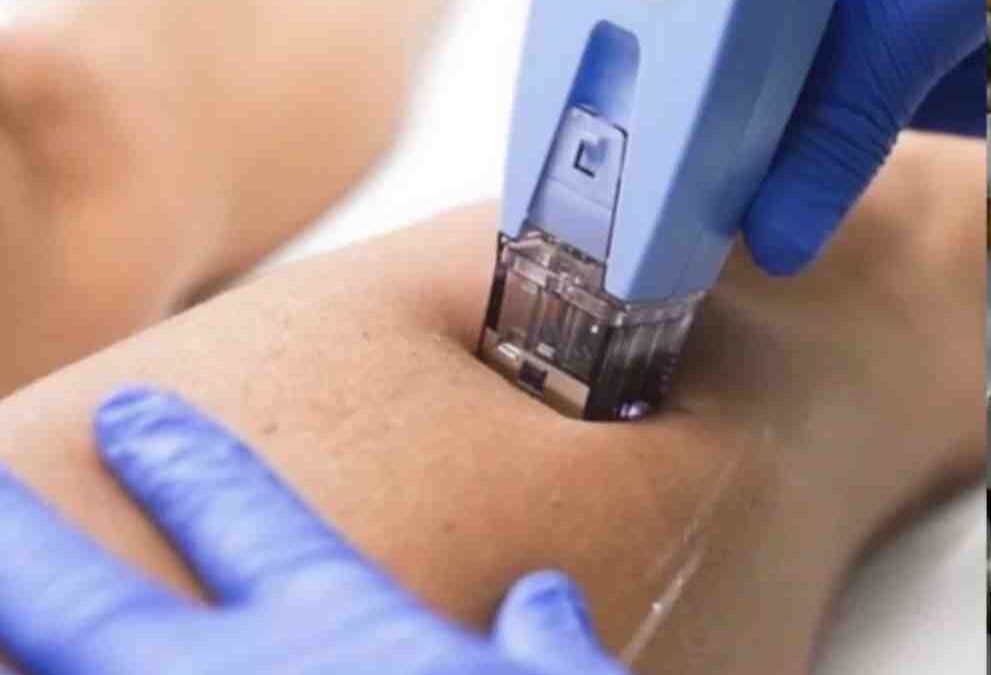
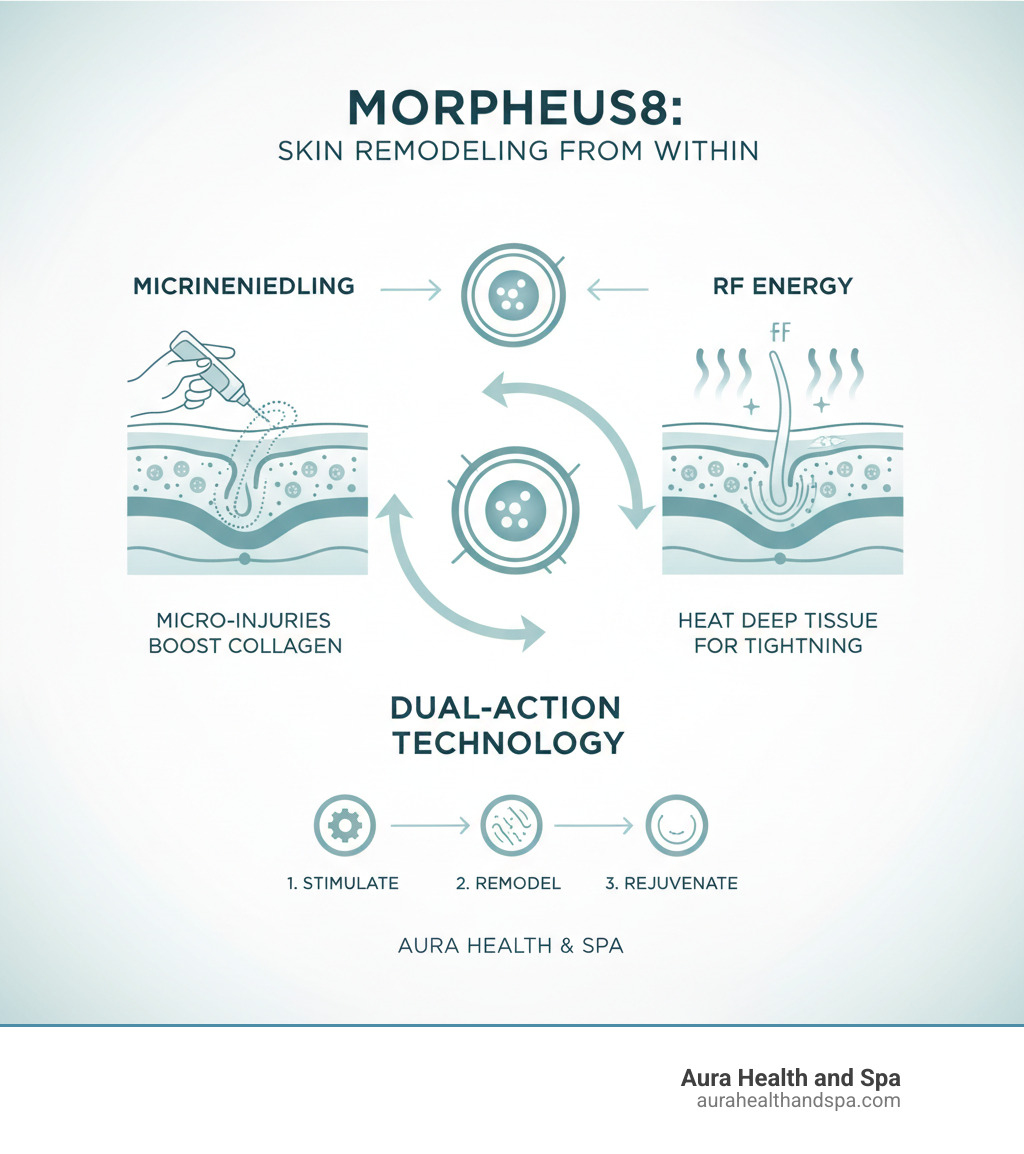
Morpheus8 combines microneedling and radiofrequency (RF) energy to transform your skin from the inside out. Ultrafine needles create controlled micro-injuries in your skin, triggering your body’s healing response. Simultaneously, these needles deliver targeted RF energy deep into the subdermal layers—up to 8mm beneath the surface. This deep penetration allows for true dermal remodeling, going far beyond what traditional surface treatments can achieve.
The RF energy heats the underlying tissues, causing them to contract and tighten while signaling your body to ramp up the production of collagen and elastin. Boosting collagen production is the secret to firm, youthful skin, and Morpheus8 activates this process naturally.
Beyond skin tightening and wrinkle reduction, this versatile treatment effectively addresses acne scars, uneven texture, jowl reduction, and skin laxity on both the face and body. Whether you’re concerned about a sagging jawline, crepey texture around your eyes, or stretch marks, Morpheus8 can help.
Morpheus8 is an FDA-approved technology with a strong track record of improving skin quality. The morpheus skin treatment price reflects this advanced, proven technology and the comprehensive care that comes with it.
At Aura Health & Spa in Plymouth, MI, all Morpheus8 treatments are performed by registered and licensed providers under the direct supervision of our Medical Director, ensuring the highest standards of safety. We often pair Morpheus8 with premium add-ons like EXOE exosomes or PDGF+ to maximize your results and give you even more value from your investment.
Learn more about our RF Microneedling services and find how we can help you achieve the skin you’ve been dreaming of.
Key Factors That Influence the Morpheus Skin Treatment Price
Understanding what affects the morpheus skin treatment price helps you feel confident about your investment. At Aura Health & Spa, we believe in complete transparency, so you know exactly what you’re paying for.

Provider expertise is a critical factor in both cost and outcome. At Aura Health & Spa, all Morpheus8 treatments are performed by registered and licensed providers, including experienced nurses and aestheticians, under our Medical Director’s supervision. This ensures safe, effective care and natural-looking results. While this expertise is reflected in the price, it provides peace of mind that you’re in skilled hands.
Location plays a role too. While major cities often charge premium prices, our Plymouth, Michigan location allows us to offer competitive pricing for the same top-tier technology and expertise.
The treatment area size directly impacts your investment. Treating a smaller area like the eyes requires less time than addressing the full face and neck or larger body areas like the abdomen.
Most patients achieve their best results with a series of 4 sessions, spaced 4-6 weeks apart. This is where package pricing becomes valuable. Purchasing multiple sessions together offers better value than paying individually, often providing 10-15% savings while ensuring you complete the full protocol for optimal, long-lasting results.
At Aura Health & Spa, we focus on premium, comprehensive packages that include value-adding improvements like EXOE exosomes or PDGF+ topical applications. These additions are carefully selected to maximize your outcomes. When you look at the morpheus skin treatment price this way, you’re not just paying for a procedure; you’re investing in superior results and long-term skin health.
We understand that aesthetic treatments are a significant decision. While our pricing is structured to offer the best value through packages, we can also discuss financing options through third-party providers to help spread the investment over time.
Average Morpheus8 Cost by Treatment Area
When planning your skin rejuvenation journey, understanding the morpheus skin treatment price for different areas helps you budget appropriately. The cost varies based on the size of the treatment area and whether you choose individual sessions or a comprehensive package.
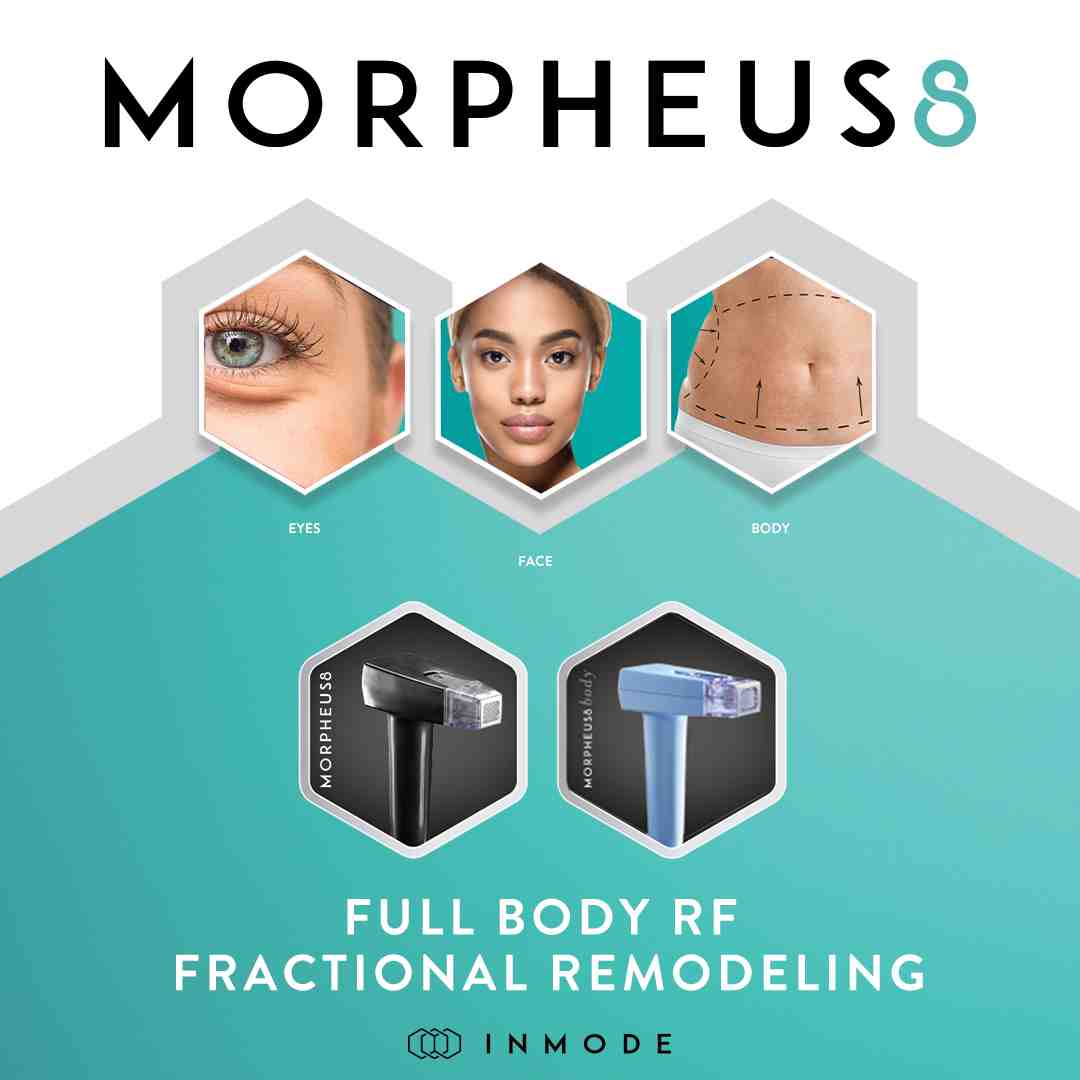
At Aura Health & Spa, we believe in transparent pricing. Here’s a breakdown of what you can expect.
Understanding the Morpheus Skin Treatment Price for the Face
Facial treatments are customized to your specific concerns, from fine lines to skin laxity.
- Full Face: A comprehensive treatment for the forehead, cheeks, and jawline typically costs $1,500 to $2,000 per session.
- Lower Face and Neck: To address jowls and neck laxity, expect a range of $1,250 to $2,500. This popular combination creates a natural-looking lift without surgery.
- Eyes or Mouth: For these smaller areas, sessions cost between $600 and $1,000. Morpheus8 is excellent for under-eye concerns, as it tightens skin and reduces a crepey appearance. We often pair it with the ‘medium depth perfect derma peel’ or PDGF+ for improved results.
Understanding the Morpheus Skin Treatment Price for the Body
Morpheus8 is also highly effective for improving skin texture and firmness on the body.
- Abdomen or Thighs: For these larger areas, the price ranges from $1,500 to $4,000 per session, reflecting the longer treatment time.
- Arms: To address sagging skin on the arms, sessions typically start around $2,000.
- Stretch Marks: Treatment cost depends on the size of the area, generally ranging from $1,000 to $2,500 per session.
Why Treatment Packages Offer the Best Value
While a single session offers improvement, the most transformative, long-lasting results come from a complete series of 4 sessions, spaced 4 to 6 weeks apart. This is why packages are essential. Opting for a package of 3 or more sessions typically saves you 10-15% compared to paying individually.
A full series may total $2,500 to $7,500, but this comprehensive approach delivers the dramatic before-and-after changes you’re looking for. At Aura Health & Spa, our premium packages are an investment in your long-term skin health, often including value-adding add-ons like EXOE exosomes or PDGF+ topical applications to maximize your outcomes.
How Morpheus8 Compares to Other Rejuvenation Treatments at Aura Health & Spa
When exploring your options for skin rejuvenation, it’s helpful to understand how Morpheus8 stacks up against other advanced solutions at Aura Health & Spa. This can help you make the right choice for your goals and investment.
| Feature |
Morpheus8 (RF Microneedling) |
Premium Microneedling (with PRP/EXOE/PDGF+) |
ResurFX Laser |
| Technology |
Microneedling + Radiofrequency (RF) Energy |
Microneedling + Topical Growth Factors |
Non-Ablative Fractional Laser |
| Depth |
Deep Subdermal Remodeling (up to 8mm) |
Superficial to Mid-Dermis (up to 2.5mm) |
Superficial Dermis |
| Primary Results |
Significant skin tightening, improved definition, and deep wrinkle/scar reduction. |
Improved texture, tone, fine lines, and mild scarring. |
Improved pigmentation, fine lines, and overall skin tone. |
| Downtime |
1-3 days of redness/swelling, with some effects up to 2 weeks. |
1-3 days of mild redness. |
3-5 days of redness and swelling. |
Morpheus8 vs. Premium Microneedling (with PRP, EXOE, or PDGF+)
Traditional microneedling, even when improved with powerful growth factors like PRP, EXOE exosomes, or PDGF+ in our Advanced SkinPen Microneedling packages, works by stimulating collagen at the surface. Morpheus8 takes this a step further with its RF energy advantage. The radiofrequency sends controlled heat deep into the subdermal tissue, creating a level of collagen remodeling and superior skin tightening that microneedling alone cannot achieve. By penetrating up to 8mm, Morpheus8 offers deeper collagen remodeling for more profound results on skin laxity, jowls, and deep wrinkles.
Morpheus8 vs. ResurFX Laser Treatments
The ResurFX laser is highly effective for surface-level concerns like pigmentation and fine lines. However, Morpheus8’s advantage is its deeper penetration. It reaches up to 8mm into the subdermal layers to remodel tissue from within, making it superior for tightening and significant texture improvement. Another key benefit is that Morpheus8 is safe for all skin types. Its “color-blind technology” carries a lower risk of hyperpigmentation compared to some lasers, making it an ideal choice for all skin tones, including darker complexions.
Morpheus8 vs. Surgical Options
For those seeking significant rejuvenation without the risks and recovery of surgery, Morpheus8 is an excellent non-invasive alternative.
- Minimal Downtime: Expect a few days of redness and swelling, not weeks of recovery like with a facelift.
- Lower Cost: The morpheus skin treatment price is a fraction of the $8,000 to $15,000+ cost of surgery.
- Natural-Looking Results: Morpheus8 stimulates your body’s own collagen for gradual, organic-looking improvements—never a “pulled” look.
- Fewer Risks: Avoid general anesthesia, incisions, and surgical complications.
At Aura Health & Spa, we specialize exclusively in advanced, non-surgical treatments like Morpheus8 to deliver the best possible results without going under the knife.
Your Morpheus8 Journey at Aura Health & Spa: What to Expect
When you choose Morpheus8 at Aura Health & Spa in Plymouth, MI, you’re beginning a personalized, professional journey toward renewed confidence. We’ve designed every step to be focused on delivering the visible results you’re looking for.
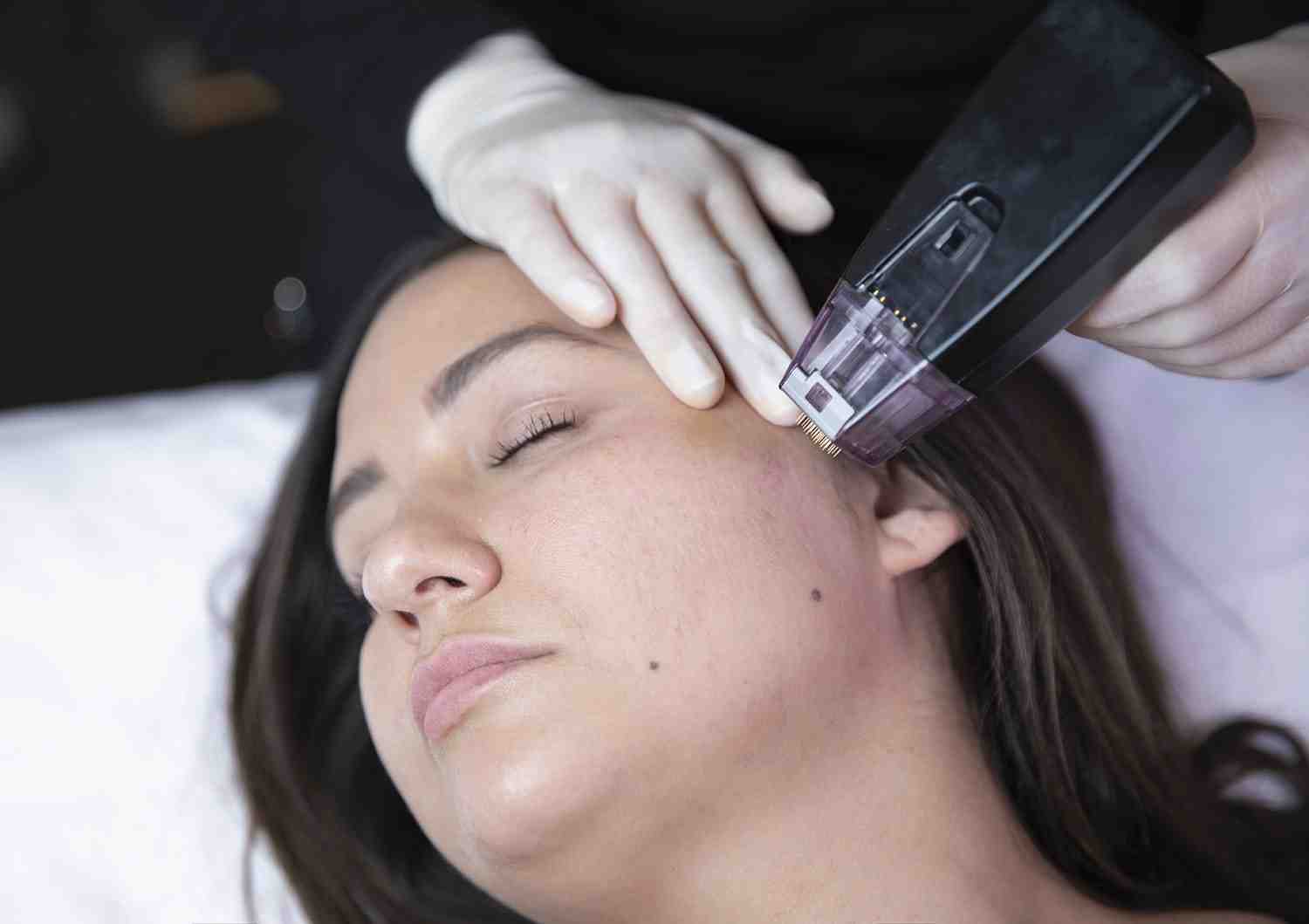
Ideal Candidates and Consultation
Morpheus8 is ideal for individuals with mild to moderate skin laxity, fine lines, acne scars, or uneven texture. A key advantage is its safety and effectiveness for all skin types and tones. Your journey begins with a comprehensive consultation with our licensed providers. We’ll discuss your goals, assess your skin, and create a custom treatment plan with transparent pricing, including the morpheus skin treatment price, so you have a clear path forward.
The Treatment Session and Recovery
For your comfort, we apply a high-potency topical numbing cream for 45-60 minutes before the procedure. The treatment itself takes 45-60 minutes. Most patients describe the sensation as manageable warmth and light pricking. Afterward, expect mild redness and swelling for 2-5 days. Some patients may experience slight bruising or swelling that can last for up to two weeks. We provide detailed aftercare instructions, which include keeping the skin clean, using SPF and avoiding makeup for 24-48 hours. You can return to most normal activities quickly.
Results: How Many Sessions and How Long They Last
Optimal results typically require a series of 3 to 4 treatments, spaced 4 to 6 weeks apart. While initial improvements in tone and texture appear within days, more significant tightening becomes visible after 3 weeks as new collagen forms. Peak results are seen 3 to 6 months after your final session. These transformative results are long-lasting, typically for 1 to 3 years, because Morpheus8 stimulates your body’s own regenerative processes. We recommend periodic maintenance sessions to extend your results.
Frequently Asked Questions About Morpheus8 at Aura Health & Spa
We believe in empowering our clients with knowledge. Here are some of the most common questions we receive about Morpheus8 at Aura Health & Spa in Plymouth, MI.
Is the Morpheus8 treatment painful?
We prioritize your comfort. Before treatment, we apply a high-potency topical numbing cream for 45-60 minutes. Most patients describe the sensation as a tolerable warmth or light pricking, not pain. Our licensed providers are skilled in managing your comfort and ensuring you have a safe, positive experience.
Can Morpheus8 be used for under-eye bags and dark circles?
Yes, Morpheus8 is an excellent option at Aura Health & Spa for the under-eye area. It tightens lax skin, improves texture, and reduces the crepey appearance that can contribute to under-eye concerns. For improved results, our providers may pair it with the ‘medium depth perfect derma peel’ or topical PDGF+ applications.
How long do the results of Morpheus8 last?
The results of Morpheus8 are impressively durable, typically lasting 1 to 3 years. Longevity depends on your age, skin condition, and lifestyle. To maximize and maintain your investment, we recommend a consistent professional skincare regimen and periodic maintenance sessions.
Begin Your Rejuvenation at Aura Health & Spa, Plymouth, MI
Choosing Morpheus8 is a meaningful investment in your confidence and long-term skin health. At Aura Health & Spa in Plymouth, Michigan, we’re here to help you love your reflection again.
Our reputation is built on combining advanced, FDA-approved technology with expert, personalized care. All treatments are performed by registered and licensed providers under the supervision of our Medical Director, ensuring safe, natural-looking results.
We focus on premium, comprehensive packages that often include value-adding add-ons like EXOE exosomes or PDGF+ topical applications to maximize your outcomes. This results-driven approach means the morpheus skin treatment price reflects a true investment in your skin’s future, not just a quick fix.
We prioritize education and transparency, providing honest guidance to create a personalized plan that fits your goals and budget. If you’re ready to restore your skin’s radiance, tighten and smooth away the years, and refind the confidence that comes with loving how you look, we’d be honored to guide you.
Schedule a consultation for RF Microneedling (Morpheus8) today at Aura Health & Spa in Plymouth, MI, and take the first step toward visible, lasting results. Your best skin is waiting.
by Dr. Reema Sethi | Jan 12, 2026 | Skincare
Why Crow’s Feet Deserve Your Attention
Crow’s feet treatment addresses the fine lines radiating from the corners of your eyes. These lines are a natural part of aging, but understanding why they form empowers you to make informed decisions about your appearance.
Quick Answer: Most Effective Crow’s Feet Treatments
- Neurotoxins (Dysport, Jeuveau, Daxxify) – Relax muscles causing dynamic lines, lasting 3-6 months.
- Morpheus8 RF Microneedling – Stimulates collagen for skin tightening and texture improvement.
- ResurFX Laser – Resurfaces skin safely for all skin types, reducing static lines.
- Daily Sunscreen – SPF 30+ prevents further sun damage and collagen breakdown.
- Retinoid Eye Creams – Support collagen production for gradual improvement.
The skin around your eyes is the thinnest on your body, so it shows aging first. It has fewer oil glands, less collagen, and is constantly moving. This leads to two types of lines: dynamic wrinkles, which appear with expressions like smiling, and static wrinkles, which are visible even at rest due to collagen loss and sun damage.
Some people develop crow’s feet in their late 20s, while others notice them in their 40s. Genetics, sun protection, and lifestyle choices all play a role. While topical creams can help, they can’t erase deep lines. That’s where professional treatments offer targeted solutions that work at a muscular and structural level.
As Dr. Reema Sethi, a board-certified physician with over 15 years of experience and specialized training in medical aesthetics, I’ve helped countless patients in Plymouth, MI, achieve natural, refreshed results. At Aura Health & Spa, every treatment is performed by licensed providers under Medical Director oversight, ensuring both safety and effectiveness.
The Main Causes of Crow’s Feet
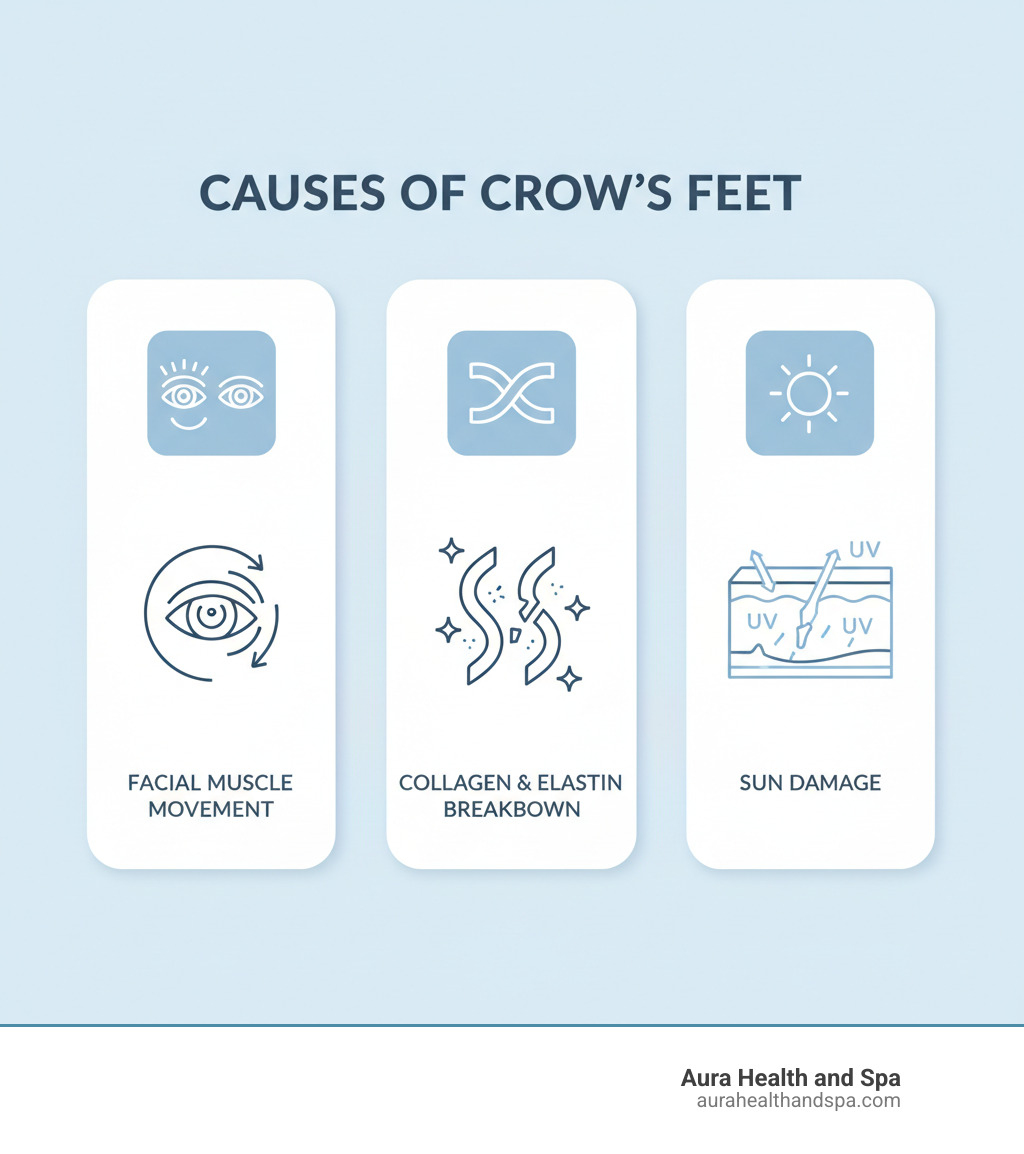
Several factors contribute to crow’s feet through a mix of internal and external aging processes.
- Collagen and Elastin Breakdown: Our skin produces 1% less collagen per year after age 20. This protein provides structure, while elastin provides flexibility. Their decline leads to thinner, less resilient skin that is prone to wrinkling.
- Sun Exposure: UV radiation is a primary cause of premature aging (photodamage). It accelerates the breakdown of collagen and elastin, leading to fine lines.
- Repeated Facial Expressions: Smiling, squinting, and laughing cause the muscles around the eyes to contract, creasing the skin. Over time, these temporary creases can become permanent lines.
- Lifestyle Factors: Smoking dramatically accelerates skin aging by restricting blood flow and damaging collagen. A study in the National Library of Medicine highlighted that smokers’ skin can appear decades older than that of non-smokers. Dehydration can also make fine lines look more pronounced.
Professional Crow’s Feet Treatment in Plymouth, MI at Aura Health & Spa
At Aura Health & Spa in Plymouth, Michigan, our approach to crow’s feet treatment combines medical precision with personalized care. Every procedure is overseen by our board-certified Medical Director, Dr. Reema Sethi, and performed by licensed providers.
We create customized treatment plans, often combining therapies for optimal results. Our premium, comprehensive packages are a meaningful investment in yourself, designed to deliver visible, lasting improvements.
Neurotoxins for Dynamic Wrinkles
Neurotoxins are highly effective for dynamic crow’s feet that appear with expression. These injectables temporarily relax the muscle around the eyes, smoothing the overlying skin. At Aura Health & Spa, we offer Dysport, Jeuveau, and Daxxify. While “Botox” is a common term, we provide these specific, highly effective alternatives. For educational context, other brands include Xeomin and Letybo. The treatment is quick, with results appearing in 5-7 days and lasting 3-6 months. All injectables are administered by licensed nurses under Medical Director supervision for safe, natural-looking results.
Explore Neurotoxin Treatments.
Skin Resurfacing and Tightening for Static Wrinkles and Texture
For static lines visible at rest, we use advanced treatments that stimulate your body’s natural collagen production to improve skin quality.
- Morpheus8 RF Microneedling combines microneedling with radiofrequency energy to remodel collagen deep within the skin. This tightens skin and improves texture. We often pair it with EXOE exosomes or PDGF+ (used off-label) to amplify rejuvenation and accelerate healing.
- ResurFX Laser is a non-ablative fractional laser that stimulates collagen without damaging the skin’s surface, making it safe for all skin types. It effectively reduces static wrinkles and refines texture.
Recovery may include redness, bruising, or swelling that subsides within a few days to two weeks. For under-eye concerns, we do not offer filler; our preferred treatments are Morpheus8, the Perfect Derma Peel, and PDGF+.
Advanced Facials and Peels for Skin Rejuvenation
Advanced facials and peels support any crow’s feet treatment plan by improving cell turnover and hydration, making fine lines less noticeable.
- The Perfect Derma Peel (medium depth), performed by Dr. Sethi’s highly trained staff, removes damaged outer skin layers to reveal a smoother complexion. It is our strongest peel option, delivering impressive results with manageable recovery.
- Technology-driven facials like the HydraFacial and Glo2Facial cleanse, extract, and hydrate the skin with potent serums, plumping the skin to soften fine lines. Our providers often pair these with other treatments for comprehensive results.
Premium Microneedling Packages
Microneedling creates controlled micro-injuries to prompt the skin to generate new, collagen-rich tissue. At Aura Health & Spa, we improve this with premium additions:
- Microneedling with PRP (Platelet-Rich Plasma) uses your own growth factors to boost healing.
- Microneedling with Exosomes (EXOE) uses powerful cellular messengers to amplify skin repair.
- Microneedling with PDGF+ harnesses growth factors to stimulate cell regeneration.
For the most intensive approach, our Morpheus8 RF Microneedling is paired with EXOE exosomes or PDGF+ for superior tightening and faster recovery. All procedures are performed by licensed providers.
Learn more at Advanced SkinPen Microneedling and RF Microneedling.
While professional treatments deliver the most dramatic results for crow’s feet treatment, a daily at-home routine is your foundation for preventing new lines and maintaining results. Skincare products are powerful for prevention and can soften fine lines, but they cannot erase deep, static wrinkles.
The Crucial Role of Sun Protection
Consistent sun protection is the single best way to prevent premature aging. UV radiation is the biggest external cause of collagen breakdown.
Wear a broad-spectrum sunscreen with at least SPF 30 every day—even when it’s cloudy or you’re indoors. We recommend quality products like the multi-functional SPFs with skincare benefits at Aura. Also, wear polarized sunglasses and a wide-brimmed hat. This protects the delicate eye skin from UV damage and prevents squinting, a major cause of crow’s feet.
Can You Get Rid of Crow’s Feet Naturally?
While a healthy lifestyle supports skin health and can prevent lines from deepening, it generally cannot erase established wrinkles on its own.
A healthy diet rich in antioxidants and omega-3s provides your skin with the nutrients it needs to repair itself. Quitting smoking is one of the most impactful changes you can make, as smoking dramatically accelerates skin aging. Staying hydrated by drinking plenty of water keeps skin plump. Finally, addressing frequent squinting—whether from sunlight or vision issues—can reduce the muscle contractions that deepen crow’s feet.
These factors are crucial for prevention, but for noticeable, lasting change on established crow’s feet, professional treatments remain the most effective solution.
Your Consultation: Questions to Ask Before Treatment
Deciding on a professional crow’s feet treatment is a significant step. Your consultation at Aura Health & Spa in Plymouth, MI, is your opportunity to ask questions, understand your options, and set realistic expectations.
General Questions for Your Provider
To make an informed decision, ask these questions during your consultation:
- What are the provider’s qualifications? At Aura, all treatments are performed by registered and licensed providers (nurses, aestheticians) under the supervision of our Medical Director, Dr. Reema Sethi.
- Is the Medical Director board-certified? Dr. Sethi is a board-certified physician with specialized training in medical aesthetics.
- Will you take my medical history and evaluate my skin type? We always conduct a comprehensive intake and personalized evaluation to ensure the procedure is appropriate and safe for you.
- Can I see before-and-after photos? We are proud to share anonymized photos of patients with similar treatments to help you visualize potential outcomes.
- What are the estimated costs? We focus on premium, comprehensive packages and will discuss all costs upfront, framing them as a long-term investment in superior results.
- What are the common side effects? We will explain all potential side effects, such as bruising, redness, and swelling, which may last for days or up to two weeks.
Specific Questions for Your Crow’s Feet Treatment
Next, get into the specifics of your recommended crow’s feet treatment plan:
- Which procedure is right for me, and what are my options?
- How long does an appointment take?
- How often will I need treatment to maintain results?
- Does the treatment hurt? What are my pain management options?
- What is the recovery time and what should I expect afterward?
- Will someone walk me through the entire process?
- What are the specific risks involved with my recommended treatment?
Frequently Asked Questions about Crow’s Feet Treatment
We know you have questions, and we’re here to provide clear, straightforward answers about crow’s feet treatment.
How long do professional crow’s feet treatments last?
The longevity of your results depends on the procedure:
- Neurotoxins (Dysport, Jeuveau, Daxxify): Effects typically last three to six months. As muscle activity returns, a maintenance session is needed to preserve results.
- Skin Resurfacing (ResurFX) & Tightening (Morpheus8): These treatments provide long-lasting collagen stimulation. While the aging process continues, we recommend a series of initial treatments followed by annual or bi-annual maintenance sessions to sustain results.
- Advanced Facials and Peels: Results are more immediate but temporary, lasting several weeks to a few months. Regular sessions are recommended for ongoing benefits.
An at-home skincare routine is crucial for extending the results of any professional treatment.
Is there any downtime associated with crow’s feet treatments?
Downtime varies by the intensity of the crow’s feet treatment:
- Neurotoxins: Minimal to no downtime. You may see slight redness or bruising at injection sites, which resolves quickly. Most patients return to normal activities immediately.
- Morpheus8 & ResurFX Laser: Some downtime is expected. You may experience redness, swelling, and a sunburn-like sensation for a few days. Bruising can occur and may last up to two weeks. We provide detailed aftercare instructions.
- Perfect Derma Peel: Expect visible peeling and redness for 3-7 days. Full recovery can take up to two weeks.
- HydraFacial & Glo2Facial: No downtime. You can resume regular activities immediately.
We will always explain what to expect regarding recovery and potential side effects during your consultation.
Can skincare products completely get rid of crow’s feet?
No, skincare products alone cannot eliminate deep, static crow’s feet. They work on the skin’s surface and are excellent for prevention and reducing the appearance of fine lines by hydrating the skin and supporting collagen. However, they cannot address the underlying causes like muscle movement or significant collagen loss.
For dynamic lines, neurotoxins are required to relax the muscle. For deep static lines, professional treatments like Morpheus8 or ResurFX are needed to rebuild collagen from within. A combined approach of professional treatments and a diligent at-home skincare regimen yields the best and most lasting results for crow’s feet treatment.
Conclusion: Achieve Youthful Eyes with a Personalized Plan
Crow’s feet are a natural part of aging, but you don’t have to live with them if they affect your confidence. From dynamic lines caused by expressions to static wrinkles from sun damage and collagen loss, effective solutions are available.
At Aura Health & Spa in Plymouth, MI, we create personalized crow’s feet treatment plans to deliver visible results. Our licensed providers, under the supervision of Medical Director Dr. Reema Sethi, offer a range of treatments including neurotoxins (Dysport, Jeuveau, Daxxify), Morpheus8 RF Microneedling, ResurFX Laser, and advanced peels and facials. We combine these powerful procedures with a strong emphasis on prevention for lasting, natural-looking rejuvenation.
Your journey to renewed confidence starts with a conversation. Experience the Aura Health & Spa difference, where science and artistry meet to help you love your reflection again.
Book Your Consultation for Crow’s Feet Treatment Today and let us help you unveil a more vibrant you.
by Dr. Reema Sethi | Jan 10, 2026 | Skincare
Why Understanding Treatment Costs Matters When Choosing a Provider
Botox cost near me is a top search for those exploring wrinkle relaxers, and for good reason. Pricing varies dramatically based on your location, provider, and product choice. One clinic might quote $200, while another says $600 for what seems like the same treatment. This confusion can lead to poor decisions or unsafe treatments.
Quick Answer: What You’ll Pay for Wrinkle Relaxers
| Treatment Area |
Typical Units Needed |
Estimated Cost Range |
| Forehead Lines |
10-30 units |
$150-$450 |
| Frown Lines (Glabella) |
10-25 units |
$150-$375 |
| Crow’s Feet |
5-15 units per side |
$70-$225 per side |
Key Pricing Factors:
- Per-unit cost typically ranges from $13-$25 nationally
- Geographic location significantly impacts price (Beverly Hills vs. suburban Plymouth, MI)
- Provider expertise and qualifications affect both cost and results
- Product choice matters—Dysport, Jeuveau, and Daxxify have different unit requirements and pricing
The truth is, wrinkle relaxers like Dysport, Jeuveau, and Daxxify (often called “Botox,” which is a brand name) are priced differently, and the cheapest option is rarely the best value. Understanding what you’re paying for helps you make a confident choice.
A note on terminology: While “Botox” is a common term, it’s one of several neurotoxin brands. At Aura Health & Spa in Plymouth, Michigan, we offer premium wrinkle relaxers like Dysport, Jeuveau, and Daxxify. We’ll help you understand which is right for your goals.
As Dr. Reema Sethi, Board Certified Emergency Medicine Physician and Medical Director at Aura Health & Spa, I’ve seen how the right treatment, delivered safely, restores confidence. For patients searching for botox cost near me in the Plymouth, Michigan area, we focus on transparent pricing and comprehensive packages that deliver real value. Our registered and licensed providers create customized plans to achieve natural-looking results.
Understanding Neurotoxin Pricing: Per Unit vs. Per Treatment Area
When searching for botox cost near me, you’ll find pricing listed per unit or per treatment area. Understanding the difference helps you compare quotes accurately.
Neurotoxins like Dysport, Jeuveau, and Daxxify relax muscles to smooth dynamic wrinkles (expression lines). They are not designed for static wrinkles (lines visible at rest), for which treatments like RF Microneedling (Morpheus8) or ResurFX may be better.
At Aura Health & Spa in Plymouth, Michigan, our registered and licensed providers create customized treatment plans for natural-looking results. We prioritize transparency and education. Learn more on our Injectables page.
What is the Average Cost Per Unit?
The national average cost for neurotoxins is $13 to $15 per unit, but can range from $12 to $25 based on location, provider, and product.
Different brands have different potencies and dosing. For example, you may need more Dysport units to achieve the same effect as another brand, which is a matter of unit conversion, not effectiveness or overall cost.
At Aura Health & Spa, we offer Dysport, Jeuveau, and Daxxify. Our experts select the right product for you. Our pricing reflects comprehensive packages with value-adding add-ons, the expertise of our medically trained staff, and premium products for measurable improvement.
What is the Typical Cost for Specific Areas?
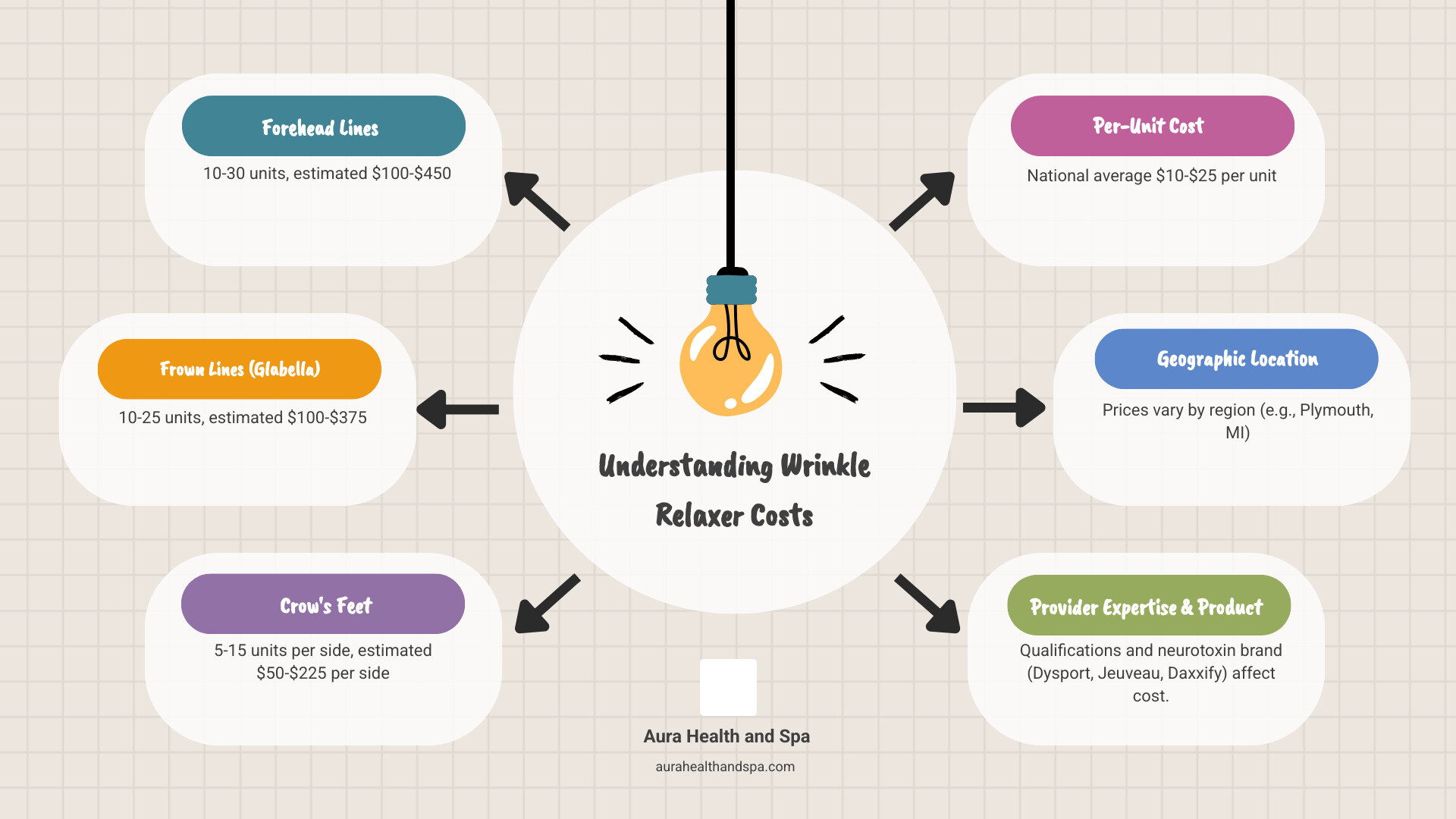
While priced per unit, it’s helpful to think in terms of treating specific areas like forehead lines, crow’s feet, or frown lines. The total cost depends on the units needed, which varies based on muscle strength and desired outcome.
Here’s a general breakdown of typical unit requirements and estimated cost ranges:
| Treatment Area |
Typical Units Needed |
Estimated Cost Range (based on $10-$15/unit) |
| Forehead Lines |
10-30 units |
$150-$450 |
| Frown Lines (Glabella) |
10-25 units |
$150-$375 |
| Crow’s Feet (per side) |
5-15 units |
$70-$225 |
| Lip Flip |
4-8 units |
$50-$120 |
| Masseter (Jaw) Slimming |
20-30 units per side |
$210-$450 per side |
These are estimated ranges. Your actual cost will be determined during a personalized consultation with our experienced providers.
Beyond these areas, a Lip Flip (4-8 units) can improve the lip’s appearance, and Masseter muscle treatment (20-30 units per side) can slim the jawline.
During your consultation at Aura Health & Spa, our team will provide a clear, transparent estimate for your customized treatment plan. We ensure you understand your investment and how it helps achieve your desired natural, refreshed results.
Key Factors That Influence Your Total Botox Cost Near Me
When searching for botox cost near me, you’ll find that the total investment depends on several factors. Understanding these helps you make a smart decision. The three biggest influences are your injector’s expertise, your location, and the neurotoxin product used.
At Aura Health & Spa in Plymouth, Michigan, we believe in transparency and helping you understand what shapes your treatment cost and why some investments deliver better value.
How Injector Experience and Qualifications Affect Price
The person performing your injections matters most. A low price from an inexperienced injector can lead to poor results, wasted money, or complications like drooping eyelids (ptosis) or a frozen look.
Highly qualified injectors charge more, reflecting their extensive training, deep understanding of facial anatomy, and commitment to patient safety. They know how to achieve a subtle, refreshed look.
At Aura Health & Spa, all treatments are performed by registered and licensed providers under our Medical Director, Dr. Reema Sethi. Our team undergoes continuous training, upholding our principle: “Expertise: Only medically trained staff perform treatments—no shortcuts.” This ensures your safety and the beautiful results you deserve. For further research, you can visit the American Society of Plastic Surgeons to find a board-certified plastic surgeon in your area.
Why Your Location Matters for the botox cost near me
In Plymouth, Michigan, our pricing is competitive for the Metro Detroit market while upholding the premium standards of Aura Health & Spa. Our costs reflect our state-of-the-art facility, top-tier products, and highly trained professionals. We never sacrifice safety or quality for price, as we aim to be Metro Detroit’s top destination for skin rejuvenation.
Comparing Wrinkle Relaxers: Dysport, Jeuveau, Daxxify, and More
“Botox” is a brand name; several neurotoxins exist. At Aura Health & Spa, we offer Dysport, Jeuveau, and Daxxify to match your specific goals. Each has a unique onset, duration, and unit conversion, allowing our experts to choose the right one for you.
- Dysport: Known for a fast onset (1-7 days) and natural spread, ideal for larger areas. Lasts 3-4 months.
- Jeuveau: Often called “Newtox,” it delivers predictable results lasting 3-4 months.
- Daxxify: A long-lasting option, potentially lasting up to 6 months due to its peptide technology, meaning fewer treatments per year.
During your consultation, our providers will recommend the best product for your goals and budget, consistent with our principle of “Transparency: Clear pricing, honest consultations, and no unnecessary add-ons.” Learn more about how they work from the American Society of Plastic Surgeons’ page on Botulinum Toxin.
Beyond the Price Tag: Hidden Costs, Savings, and Is It Worth It?
When researching botox cost near me, don’t just focus on the per-unit price. The real value is in the complete picture. Think of it as a long-term investment in your confidence.
Neurotoxins treat dynamic wrinkles (from expression). For static wrinkles (visible at rest), alternatives like our medium depth perfect derma peel or Microneedling with PRP/Exosomes (EXOE)/PDGF+ may be better. Our team can guide you to the right treatment.
How to Find Special Offers, Discounts, and Memberships
We offer several ways to make your aesthetic journey more accessible.
- New client specials: We often have introductory pricing to let you experience the Aura Health & Spa difference.
- Loyalty programs and memberships: Our memberships offer discounted rates and exclusive perks for clients committed to long-term maintenance. Learn more about our Loyalty Memberships.
- Package deals and bundled treatments: We create packages that pair neurotoxins with complementary services like Glo2Facials or ResurFX laser treatments. Bundling saves money and creates a synergistic plan for superior outcomes.
- Seasonal specials and events: Check our current Specials & Events page and follow us on social media for promotions on popular treatments.
The Risks of “Cheap Botox”: Why Value Trumps a Low Price
Ads for botox cost near me that seem too good to be true usually are. Choosing a provider based on the lowest price can risk your safety, appearance, and confidence. Here’s why value trumps a low price:
- Diluted product: Some providers over-dilute neurotoxins, leading to ineffective results that fade quickly. You waste your money.
- Inexperienced injectors: Poor technique can cause a “frozen” look, drooping eyelids (ptosis), or asymmetry. Expertise in facial anatomy is critical.
- Unsafe environments: Treatments outside a licensed medical spa increase the risk of infection and complications.
- Unnatural results: The goal is to look refreshed, not “done.” Over-treatment can create an artificial look that takes months to wear off.
- Wasted money: A “bargain” treatment that fails or requires correction ends up costing more.
At Aura Health & Spa, we prioritize your safety and results. Our Medical Director, Dr. Reema Sethi, oversees all procedures performed by our registered and licensed providers. We never cut corners on product quality or expertise, reflecting our core principles of Results First, Transparency, Expertise, and Trust. When you choose us, you’re investing in precision, safety, and results you can see—a partnership in your aesthetic journey.
A thoughtful approach is the most important step in your aesthetic journey. At Aura Health & Spa, we believe beautiful, natural-looking results start with education, transparency, and a partnership between you and your provider. A comprehensive consultation is the foundation of a safe, personalized plan that reflects your goals.

How Long Do Results Last and How Does This Impact Long-Term Cost?
Understanding result duration is key to planning your investment. With Dysport and Jeuveau, you’ll see improvement in 3-5 days, with full effects at 2 weeks, lasting 3-4 months.
Daxxify, with its unique peptide technology, can last up to 6 months for many individuals. This extended duration means fewer appointments—2 sessions annually versus 4—which impacts your long-term budget.
During your consultation, our providers will help you choose the right product and create a maintenance schedule. Our goal is to build a long-term relationship focused on your confidence.
Is It Covered by Insurance?
When exploring botox cost near me for cosmetic purposes like smoothing wrinkles, the answer is straightforward: these treatments are not covered by insurance. Aesthetic procedures are considered elective, so you will pay out-of-pocket.
At Aura Health & Spa, our focus is on cosmetic treatments to help you look younger and feel more confident. While insurance doesn’t apply, we offer value through comprehensive packages and manageable payment options, including our membership program, to help you invest in your confidence without financial stress.
What to Ask When Comparing the botox cost near me
Choosing the right provider is about more than price. Asking thoughtful questions helps you evaluate a clinic’s true value, expertise, and safety. We encourage you to ask:
- What are your credentials and experience with neurotoxin injections? At Aura Health & Spa, all treatments are performed by registered and licensed providers, overseen by our Medical Director, Dr. Reema Sethi.
- Which neurotoxin products do you offer, and why do you recommend one for me? A good provider will explain the differences between products like Dysport, Jeuveau, and Daxxify and tailor their recommendation.
- How many units do you estimate I will need? A skilled injector should provide a clear estimate based on your anatomy and goals.
- What is the total estimated cost, including follow-ups? Insist on clarity to avoid surprise charges.
- What are the potential side effects? A reputable provider will discuss common, temporary side effects like bruising or swelling, which can last up to two weeks.
- What is your follow-up policy? We schedule follow-ups to assess results and make refinements.
- Do you offer loyalty programs or discounts? Ask about options like our Loyalty Memberships or current Specials & Events.
- Can I see before-and-after photos of your clients? Real results demonstrate a provider’s skill.
We welcome these questions, reflecting our commitment to “Transparency: Clear pricing, honest consultations, and no unnecessary add-ons.”
Conclusion: Investing in Confidence with the Right Provider
Understanding the true botox cost near me is about more than numbers—it’s an investment in your confidence. While costs vary, the most important factor is the quality and safety of your care.
At Aura Health & Spa in Plymouth, Michigan, we stand by our principles of Results First, Expertise, and Trust. We offer premium, comprehensive treatment packages—not basic services—to ensure superior outcomes. Our registered and licensed providers, guided by Medical Director Dr. Reema Sethi, are dedicated to natural-looking rejuvenation.
We know that confidence starts with results you can see. We invite you to experience the Aura Health & Spa difference, where science, artistry, and trust meet to help you restore and maintain your best look.

Ready to find your customized treatment plan? Learn more about our approach to Wrinkle Relaxers.
by Dr. Reema Sethi | Jan 10, 2026 | Skincare
Why Anti-Aging Facials Matter for Your Confidence
An anti aging facial is a targeted skincare treatment that uses advanced techniques and specialized products to reduce visible signs of aging like fine lines, wrinkles, and loss of firmness. These professional treatments work by stimulating collagen production, improving skin texture, and restoring a youthful, radiant complexion.
What Anti-Aging Facials Can Do:
| Benefit |
How It Works |
| Reduce Fine Lines & Wrinkles |
Stimulates collagen and elastin production |
| Improve Skin Texture |
Removes dead skin cells and promotes cell turnover |
| Restore Firmness |
Tightens sagging skin and improves elasticity |
| Brighten Complexion |
Fades dark spots and evens skin tone |
| Deep Hydration |
Plumps skin and reduces dryness |
Here’s the reality: your skin changes as you age. Starting around age 25, your body produces about 1% less collagen each year. By your 30s, you’ll notice the first real signs—soft lines around your eyes, slower cell turnover, and a drop in firmness. These changes are normal, but they don’t have to define how you look or feel.
The good news? Professional anti-aging facials offer measurable results. They work deeper than any at-home product can reach, using medical-grade technology to trigger your skin’s natural repair process. Whether you’re dealing with sun damage, hormonal shifts, or just want to maintain your youthful edge, the right facial treatment can help you look as confident as you feel.
I’m Dr. Reema Sethi, a board-certified emergency medicine physician who trained in medical aesthetics after 15 years of clinical practice. I specialize in delivering safe, effective anti aging facial treatments that help busy professionals restore their natural glow without looking overdone.
In this guide, you’ll learn exactly how professional facials combat aging, which treatments deliver the best results, and how to maximize your investment with the right ingredients and aftercare.
The Science of Skin Aging: Why We See Fine Lines & Wrinkles
Here’s what’s really happening beneath your skin’s surface—and why understanding it matters for choosing the right anti aging facial treatment.
Your skin is remarkably resilient, but it’s not immune to time. The fine lines around your eyes, the slight loss of firmness along your jawline, the texture that just doesn’t bounce back like it used to—these aren’t random. They’re the result of specific biological changes happening deep within your skin’s structure.
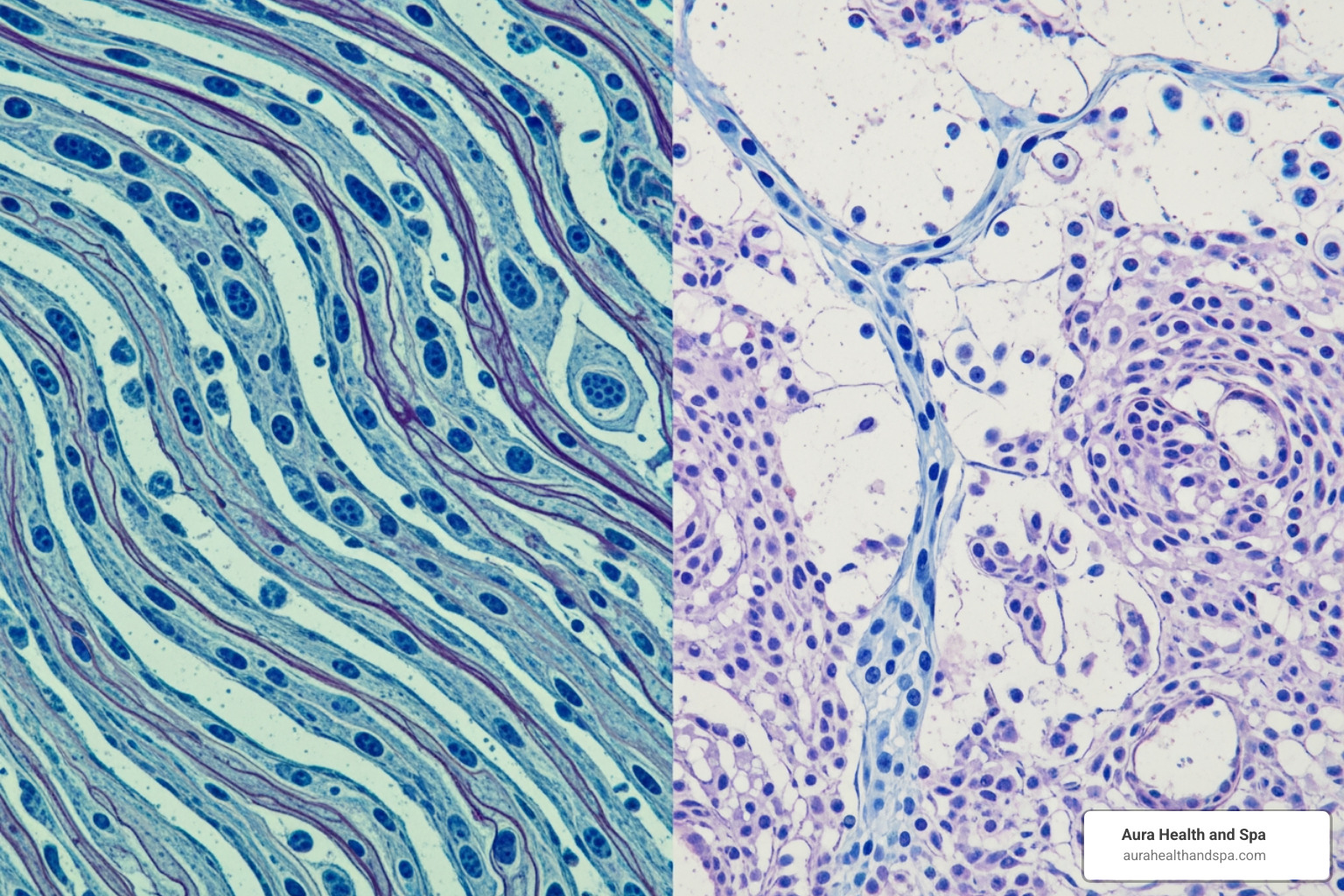
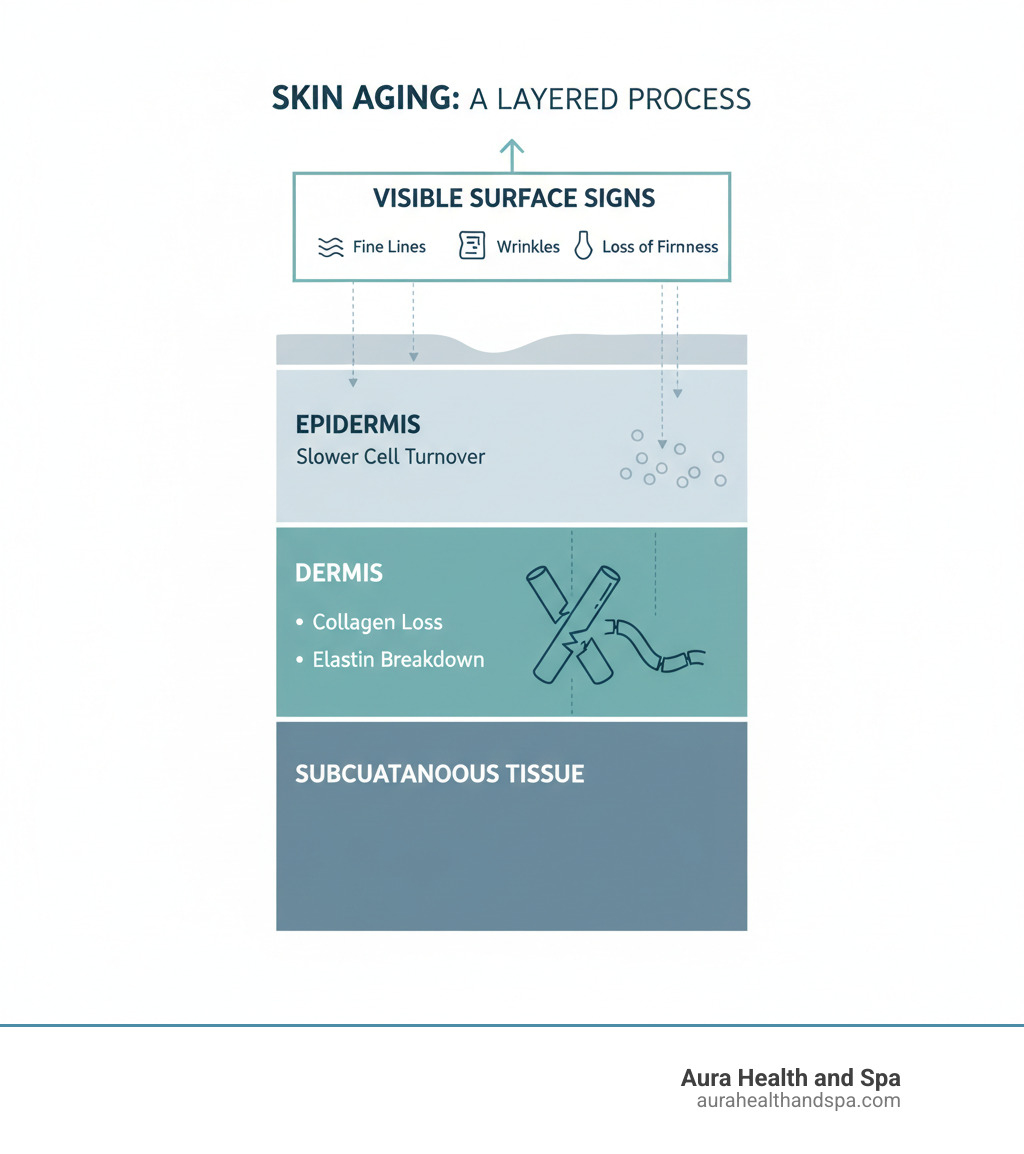
The collagen story is where it all starts. Think of collagen as your skin’s internal scaffolding—it’s what keeps everything lifted, firm, and plump. But here’s the frustrating part: starting around age 25, your body begins producing less of it. By your 30s, you’re losing about 1% of your collagen every single year. That might not sound like much, but it adds up. Less collagen means thinner skin, more visible lines, and a gradual loss of that youthful structure. Your skin literally has less support holding it up.
Then there’s the cell turnover slowdown. When you were younger, your skin refreshed itself every 28 days like clockwork. Fresh cells rose to the surface, old ones sloughed off, and you had that natural glow without even trying. As you age, this process slows down significantly. Dead cells stick around longer, making your complexion look dull and uneven. Your skin’s ability to repair itself takes longer too—which means damage lingers.
Elastin is the other key player most people don’t think about. While collagen provides structure, elastin gives your skin its bounce-back quality. It’s what allows your skin to stretch when you smile and then snap right back into place. Over time, especially with sun exposure, elastin fibers break down. When that happens, your skin loses its resilience. It starts to sag. Lines that used to disappear after you stopped frowning? They stick around.
But aging isn’t just about what’s happening inside your body. External factors play a massive role—and honestly, they’re often the bigger culprits.
Sun damage, also called photoaging, is the single biggest accelerator of skin aging. UV rays break down collagen and elastin, damage your skin’s DNA, and create free radicals that cause even more harm. This is why dermatologists are obsessed with sunscreen. The sun creates those deep wrinkles, age spots, rough texture, and uneven tone that make skin look older than it is. According to research on facial skin aging processes, photoaging accounts for up to 80% of visible facial aging.
Environmental pollution doesn’t help either. Smog, smoke, and airborne toxins generate free radicals that attack your skin cells, causing oxidative stress. This leads to inflammation, dullness, and accelerated breakdown of the proteins that keep your skin firm.
Your lifestyle choices matter more than you might think. Smoking restricts blood flow to your skin and directly damages collagen production—smokers develop deeper wrinkles and a grayish complexion much earlier. A diet heavy in sugar and processed foods triggers something called glycation, where sugar molecules attach to collagen and make it stiff and brittle. Chronic stress floods your body with cortisol, which can trigger inflammation and speed up aging.
Hormonal changes add another layer of complexity. Particularly as you move through your 30s, 40s, and beyond, shifting hormone levels affect your skin’s moisture, texture, and tone. Some people notice increased dryness, others see changes in how their skin behaves overall.
The bottom line? Skin aging is never just one thing. It’s the combination of what’s happening internally (slower collagen production, declining cell turnover, elastin breakdown) and externally (sun exposure, pollution, lifestyle habits) that creates the visible signs you see in the mirror. This is exactly why professional anti aging facial treatments work so well—they’re specifically designed to target these underlying mechanisms, not just the surface symptoms.
Understanding what’s really causing your skin to age helps you make smarter choices about which treatments will actually deliver results.
A Guide to the Most Effective Anti-Aging Facial Treatments
Here’s what sets professional anti aging facial treatments apart from your at-home routine: they work deeper, use medical-grade technology, and deliver results you can actually measure. While your daily skincare is essential for maintenance, it simply can’t penetrate the layers of skin where aging really happens or trigger the kind of cellular repair that professional treatments can.
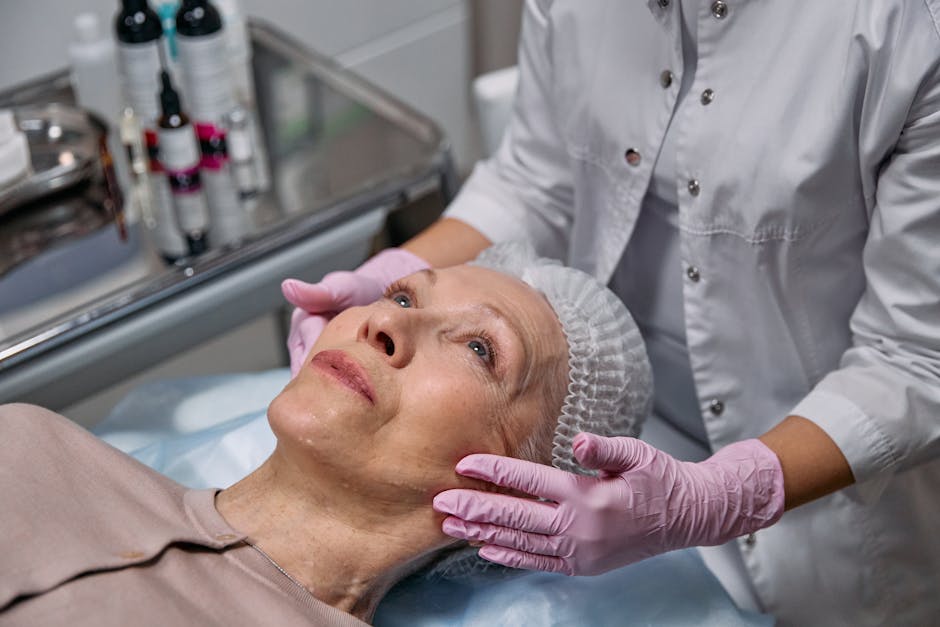
Professional facials aren’t just pampering—they’re science-based interventions that stimulate your body’s natural repair mechanisms. They boost collagen production, increase circulation, and accelerate cell turnover, directly addressing the biological and environmental factors that cause visible aging. At Aura Health & Spa, we use trusted medical technologies to help you restore your natural glow and maintain it long-term. Our approach is simple: confidence starts with results you can see.
Let’s break down the treatments that actually work.
Exfoliation and Resurfacing for a Brighter Complexion
The fastest way to reveal younger-looking skin? Remove the dull, damaged layer that’s hiding it.
Chemical peels work by applying a carefully formulated solution that dissolves the bonds holding dead skin cells together. As the old, damaged layers peel away, you’re left with fresher, smoother skin underneath. These treatments are remarkably versatile—they tackle sun damage, fine lines, wrinkles, age spots, melasma, acne scarring, and even enlarged pores. Research shows they deliver proven effects against photoaging and pigmentation issues. We customize every peel to your skin’s needs, from light peels with zero downtime to medium-depth peels that involve 5-7 days of recovery as your skin naturally flakes and renews. Our BioRePeel is a particularly popular option for busy professionals who want results without the wait. Explore all our peel options to find what fits your goals.
Microdermabrasion takes a gentler approach, using a specialized device to physically buff away the outermost layer of dead cells. Think of it as a deep polish for your face. It smooths rough patches, reduces the appearance of fine lines, and creates an immediately brighter, more even complexion—all without significant recovery time.
The payoff from these resurfacing treatments is immediate and cumulative: brighter skin tone, reduced pigmentation, and noticeably smoother texture that makes makeup glide on beautifully.
Collagen Induction and Skin Tightening
Remember how collagen loss is the primary driver of aging? These treatments fight back by triggering your body to produce fresh collagen and elastin.
Microneedling uses a device with tiny, sterile needles to create controlled micro-injuries in your skin. Your body responds by launching its natural healing process, flooding the area with new collagen and elastin. It’s remarkably effective for softening fine lines and wrinkles, improving acne scars and surgical scars, evening out skin tone and texture, and even shrinking pore size. Many clients notice their under-eye circles lighten and their overall complexion becomes brighter and more youthful. Our Advanced SkinPen Microneedling treatment delivers consistent, predictable results.
Radiofrequency treatments take a different approach—they use controlled energy to heat the deeper layers of your skin. This heat causes existing collagen fibers to contract immediately (hello, instant tightening) while stimulating the production of new collagen and elastin over the following months. RF is perfect for lifting and firming areas that are starting to sag, all without surgery or significant downtime. For clients who want maximum impact, we offer RF Microneedling, which combines both technologies for powerful skin tightening and rejuvenation.
What you’ll notice: firmer, more elastic skin with a visible reduction in fine lines and improved facial contours.
Advanced Hydration and Rejuvenation
Dehydrated skin looks older, period. These treatments deliver deep, lasting hydration that goes far beyond what any moisturizer can achieve.
Advanced hydration facials like our HydraFacial and Glo2Facial use specialized technology to deeply cleanse, extract impurities, and infuse your skin with concentrated serums packed with antioxidants, peptides, and hyaluronic acid. They combat dryness and dullness while plumping your skin from within, creating that coveted radiant glow. These treatments are ideal if you want immediate results before an event or simply want to maintain your skin’s health between more intensive procedures.
LED light therapy might sound futuristic, but the science is solid. Different wavelengths of light penetrate your skin at various depths to stimulate cellular activity. Red and near-infrared light boost collagen production, improve skin tone, and reduce inflammation, leading to significant improvements in fine lines and overall texture. Blue light targets acne-causing bacteria. Best of all? There’s zero downtime, making it perfect to add onto other treatments or as a standalone session.
The result is deeply hydrated, plump skin with restored radiance and a smoother, more even texture that reflects light beautifully.
The Power of Regenerative Medicine
This is where anti-aging gets truly cutting-edge—using your body’s own healing mechanisms to refresh your skin from within.
Platelet-Rich Plasma (PRP) therapy starts with a small blood draw. We process it to concentrate the platelets—the components packed with powerful growth factors—and then reintroduce that concentrated plasma to your skin through injection or topical application during microneedling. These growth factors signal your body to ramp up collagen and elastin production, accelerate tissue repair, and regenerate fresh, healthy cells. PRP is exceptional for improving fine lines, reducing acne and surgical scars, shrinking pores, and creating an overall glow and fullness that looks completely natural. Learn more about our PRP treatments and how they can transform your skin.
Platelet-Derived Growth Factor (PDGF) takes this concept even further. PDGF is one of the most important growth factors in PRP, playing a crucial role in cell growth, proliferation, and differentiation. By applying concentrated PDGF, we improve your skin’s regenerative capacity for even more dramatic rejuvenation and improved skin quality. Our PDGF treatments represent the next generation of regenerative aesthetics. Some formulations, like Platelet Rich Fibrin (PRF), include a fibrin matrix, white blood cells, and stem cells—making them particularly effective for delicate areas like under your eyes, where they address puffiness, dark circles, and fine lines with remarkable precision.
These regenerative treatments harness your body’s innate healing power for profound, long-lasting improvements that continue to develop over several months.
Maximizing Your Results: Key Ingredients & Aftercare
Professional anti aging facial treatments are powerful—but here’s what most people don’t realize: they’re only half the equation. The other half? What you do at home between appointments.
Think of it this way: your professional facials are like getting a personal trainer. They push your skin to new levels, trigger deep repair, and deliver results you can’t achieve on your own. But if you don’t maintain that progress between sessions, you’re leaving results on the table.
Your daily skincare routine supports your professional treatments, protects your investment, and keeps your skin improving week after week. Post-treatment care is equally important—it determines how well your skin heals and how long your results last.
At Aura Health & Spa, we don’t just send you home after your facial. We help you build a personalized at-home routine that complements your professional treatments and fits your lifestyle.
Essential Ingredients for Youthful Skin
Not all skincare ingredients are created equal. When you’re investing in professional treatments, you want products that actually work—ingredients backed by science, not marketing hype.
Retinoids (including retinol) are the gold standard for anti-aging, and for good reason. These vitamin A derivatives speed up cell turnover, stimulate collagen production, and visibly reduce fine lines and wrinkles. They also improve skin texture and even out tone. The catch? They can be irritating at first, so start slowly and build up tolerance. The results are worth it—consistent retinoid use can genuinely transform your skin over time.
Vitamin C is your skin’s best defense against daily environmental damage. This powerful antioxidant neutralizes free radicals from pollution and UV exposure before they can break down your collagen. It also brightens your complexion, fades dark spots, and plays a direct role in collagen synthesis. Look for stable forms like L-ascorbic acid in concentrations between 10-20%.
Hyaluronic acid is a hydration superstar. This naturally occurring molecule can hold up to 1,000 times its weight in water, making it incredibly effective at plumping the skin and smoothing fine lines. It works for every skin type and is essential for maintaining a healthy skin barrier. You’ll find it in serums, moisturizers, and many professional facial treatments.
Peptides are short chains of amino acids—essentially, the building blocks of collagen and elastin. When you apply them topically, they signal your skin to produce more of these structural proteins. The result? Firmer, more elastic skin with fewer visible wrinkles. Peptides work beautifully alongside other anti-aging ingredients.
Niacinamide (vitamin B3) is one of the most versatile ingredients in skincare. It improves skin texture and elasticity, reduces inflammation and redness, minimizes pore size, and strengthens your skin barrier. It’s gentle enough for sensitive skin and plays well with other active ingredients, making it an excellent addition to almost any routine.
The Most Crucial Step: Sun Protection
Here’s the truth: you can get the best facials, use the most expensive serums, and follow every skincare rule—but if you skip sunscreen, you’re sabotaging your own results.
UV rays from the sun are the single biggest cause of premature aging. They break down collagen, damage elastin, create dark spots, and cause deep wrinkles. Every minute your unprotected skin is exposed to the sun, you’re undoing the work you’ve paid for.
Broad-spectrum SPF 30 or higher is non-negotiable. “Broad-spectrum” means it protects against both UVA rays (which age your skin) and UVB rays (which burn it). Apply it every single morning as the last step in your skincare routine—yes, even on cloudy days, even in winter, even if you’re mostly indoors.
Reapply every two hours when you’re outside, and more often if you’re sweating or swimming. Make it as automatic as brushing your teeth.
The Cleveland Clinic emphasizes that wearing sunscreen when outdoors is essential to protect your skin from UV damage. It’s the most effective anti-aging product you can use—and it costs far less than repairing sun damage later.
When you combine professional anti aging facial treatments with smart daily care and religious sun protection, you’re not just maintaining results. You’re building better skin with every passing month.
Frequently Asked Questions About Anti-Aging Facials
Starting your anti-aging journey can feel overwhelming. You’re not alone—we hear these questions all the time at Aura Health & Spa, and we’re here to give you honest, straightforward answers.
At what age should I start getting an anti-aging facial?
Here’s the truth: there’s no magic number. Your skin is as unique as you are, and aging doesn’t follow a strict timeline. That said, most people start noticing the first real signs—those soft lines around the eyes, a bit less bounce in their skin—sometime after their mid-20s.
Why the mid-20s matter: Around age 25, your body’s natural collagen production starts to slow down. By your early 30s, the changes become more visible. You might notice slower cell turnover, a slight loss of firmness, or fine lines that didn’t exist a year ago. This is completely normal.
The best time to start anti aging facial treatments? Late 20s to early 30s is ideal for preventative care. Think of it like maintaining your car—you don’t wait for the engine to break down before you change the oil. By starting early, you’re supporting your skin’s natural repair processes and preventing more significant concerns down the road.
That doesn’t mean it’s ever “too late” to start. Whether you’re 35, 45, or 65, professional treatments can help correct existing damage, restore radiance, and give you back the confidence that comes from loving your reflection. We believe in a personalized approach—one that meets you exactly where you are and helps you achieve long-term, natural-looking rejuvenation.
What should I expect during and after my anti-aging facial treatment?
Your experience will vary depending on which treatment you choose, but here’s what typically happens at Aura Health & Spa:
During Your Treatment:
We always start with a consultation and skin analysis. This isn’t a rushed conversation—we take time to understand your medical history, listen to your concerns, and discuss what you actually want to achieve. Then we analyze your skin to determine which treatments will give you the best results.
Next comes cleansing and exfoliation. We’ll gently remove makeup, dirt, and impurities from your skin. Depending on your facial, this might include a deeper exfoliation using a chemical peel or microdermabrasion to prepare your skin for the active treatment.
The treatment application is where the real work happens. We might apply specialized serums or masks, or use advanced devices like microneedling, radiofrequency, or LED light therapy—all customized to your specific needs. You might feel some tingling, warmth, or gentle vibrations, but we prioritize your comfort throughout. If something feels off, speak up. We want you to feel relaxed, not anxious.
We finish with moisturizing and SPF protection—because protecting your newly treated skin from sun damage is non-negotiable.
After Your Treatment:
Right after your facial, you might notice mild redness, sensitivity, or slight tightness. This is normal and typically fades within a few hours. Some treatments, like certain chemical peels, might cause temporary localized redness or peeling over the next few days.
Downtime varies significantly. Treatments like LED light therapy or hydration facials have virtually no downtime—you can head straight back to work or meet friends for lunch. More intensive treatments like microneedling or deeper peels might require 1-3 days of recovery, sometimes longer for aggressive resurfacing, where you might experience flaking or mild swelling.
We’ll give you detailed post-treatment instructions custom to your specific facial. Generally, this means avoiding makeup for a few hours, not picking at your skin (even if it’s tempting), staying hydrated, skipping strenuous workouts for 24-48 hours, and wearing sunscreen religiously. Following these instructions isn’t optional—it’s how you protect your investment and maximize your results.
If you experience anything unusual—fever, excessive pain, or skin that isn’t healing properly—contact us immediately. We’re here to support you through the entire process.
How often should I get facials and are there any side effects?
The recommended frequency for anti aging facial treatments is typically every 4 to 6 weeks. This timing aligns with your skin’s natural cell turnover cycle, allowing each treatment to build on the previous one. Think of it like going to the gym—one workout feels great, but consistent sessions over time create real, lasting change.
Regular facials help maintain collagen production, keep your skin clear and hydrated, and ensure long-term skin health. Consistency is what delivers the cumulative benefits you’re after—that sustained glow, firmer texture, and confidence in your reflection.
About side effects: Professional treatments are generally safe and effective, but it’s important to know what to expect. Most side effects are mild and temporary—things like redness, sensitivity, slight swelling, or minor bruising. These usually resolve within hours to a few days.
The downtime varies depending on the treatment. Less invasive options have minimal to no recovery time, while more intensive procedures like deeper peels or laser resurfacing may require several days to weeks for your skin to fully heal.
Rarer complications can occur, though they’re uncommon when you’re working with experienced professionals. These might include allergic reactions, temporary changes in skin color or texture, infections, or scarring. This is exactly why choosing a reputable provider matters. At Aura Health & Spa, only medically trained staff perform treatments. We don’t cut corners, and we don’t take chances with your skin.
Potential contraindications are also important to discuss. Certain conditions—like active infections, open wounds, pregnancy, or specific medications (such as isotretinoin)—may mean a particular treatment isn’t suitable for you right now. We always conduct a thorough consultation and skin analysis before recommending any facial. Our goal is to ensure the treatment is not only effective but also safe and appropriate for your individual health and skin type.
We prioritize personalized care and education over upselling. You’ll only receive treatments that are truly right for you, and we’ll be honest if something isn’t a good fit. That’s how we build trust, and that’s how we help you achieve results you can see.
Conclusion: Invest in Your Skin for a Confident Future
Your skin tells a story—and you get to decide how that story unfolds.
By now, you understand that anti aging facial treatments aren’t just about looking younger. They’re about investing in long-term skin health, achieving visible, measurable improvement, and ultimately feeling confident in your own reflection. When you choose professional treatments backed by science and delivered with care, you’re not chasing quick fixes—you’re building a foundation for lasting results.
At Aura Health & Spa, we take a personalized approach to every treatment. We know your skin is unique, your concerns are specific, and your goals matter. That’s why we don’t believe in one-size-fits-all solutions or unnecessary upselling. Instead, we focus on what works: advanced medical technologies, honest consultations, and treatments custom to your needs.
Whether you’re in your late 20s starting preventative care, or in your 40s and 50s addressing visible signs of aging, consistency transforms good results into great ones. Regular anti aging facial treatments stimulate ongoing collagen production, maintain your skin’s elasticity, keep your complexion radiant, and help prevent future damage before it appears. Think of it as a long-term partnership between you, your skincare routine, and our expert team.
We serve men and women throughout Metro Detroit—including Plymouth, Sterling Heights, and Ann Arbor—who want natural-looking rejuvenation without downtime or an overdone appearance. Our mission is simple: deliver safe, effective, customized aesthetic treatments that help you restore, improve, and maintain your best look. Because confidence starts with results you can see.
Ready to take the next step?
Explore our advanced facial treatments and find which options are right for you. Let’s help you find your glow and love your reflection again.

by Dr. Reema Sethi | Jan 9, 2026 | Skincare
What is Traptox? Understanding the Dual-Benefit Treatment
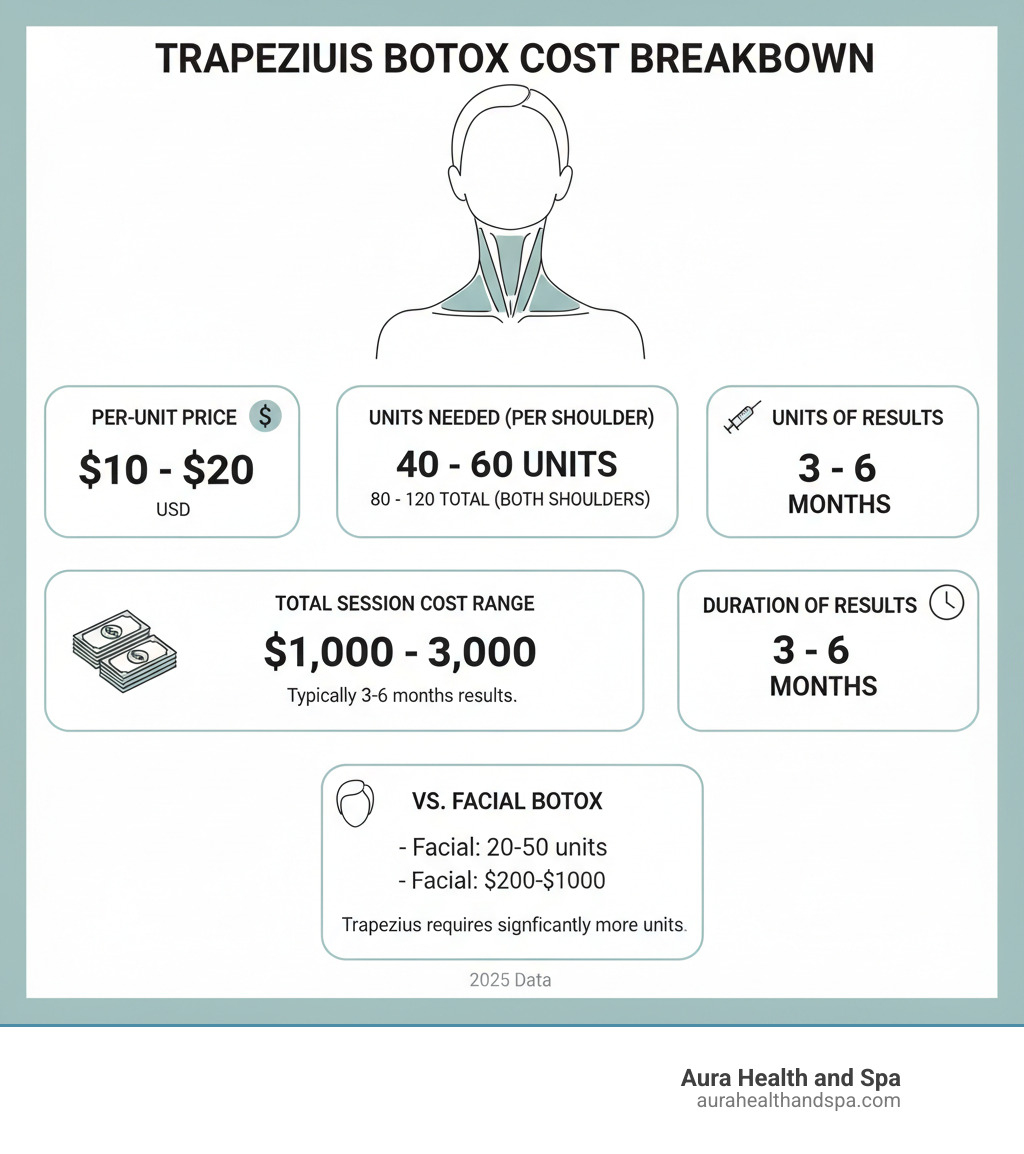
Botox trapezius muscle cost typically ranges from $1,000 to $3,000 per session in most clinics across the United States. This price reflects the higher number of units required compared to facial Botox treatments—usually 80 to 120 units total for both shoulders.
Quick Cost Breakdown:
| Cost Factor |
Typical Range |
| Per Unit Price |
$10 – $20 |
| Units Needed |
80 – 120 total (40-60 per shoulder) |
| Total Session Cost |
$1,000 – $3,000 |
| Duration of Results |
3 – 6 months |
| Metro Detroit Average |
$1,200 – $1,800 |
You may be hearing more about Traptox lately. Nicknamed “Barbie Botox,” it’s a popular treatment for both shoulder slimming and relief from muscle tension. In fact, searches for “What is Traptox?” have skyrocketed by more than 5,000% nationwide.
What makes this treatment unique is its dual benefit: it addresses both aesthetic concerns (creating a slimmer, more elongated neckline) and therapeutic needs (relieving neck pain, shoulder tension, and tension headaches). This combination of form and function explains why professionals across Metro Detroit are increasingly curious about adding Traptox to their wellness routines.
Understanding the cost involves knowing what influences pricing, how many units you’ll need, and what results to expect. The number of units is higher than for facial Botox because the trapezius muscles are much larger and stronger.
As Dr. Reema Sethi, a board-certified physician with over 15 years of clinical experience and specialized training in medical aesthetics, I help patients at Aura Health & Spa understand the realistic costs and outcomes of Traptox. My approach combines medical precision with transparent education to ensure you make informed decisions.
In this guide, we’ll break down every aspect of Traptox pricing, helping you understand the value and determine if this investment makes sense for your goals.
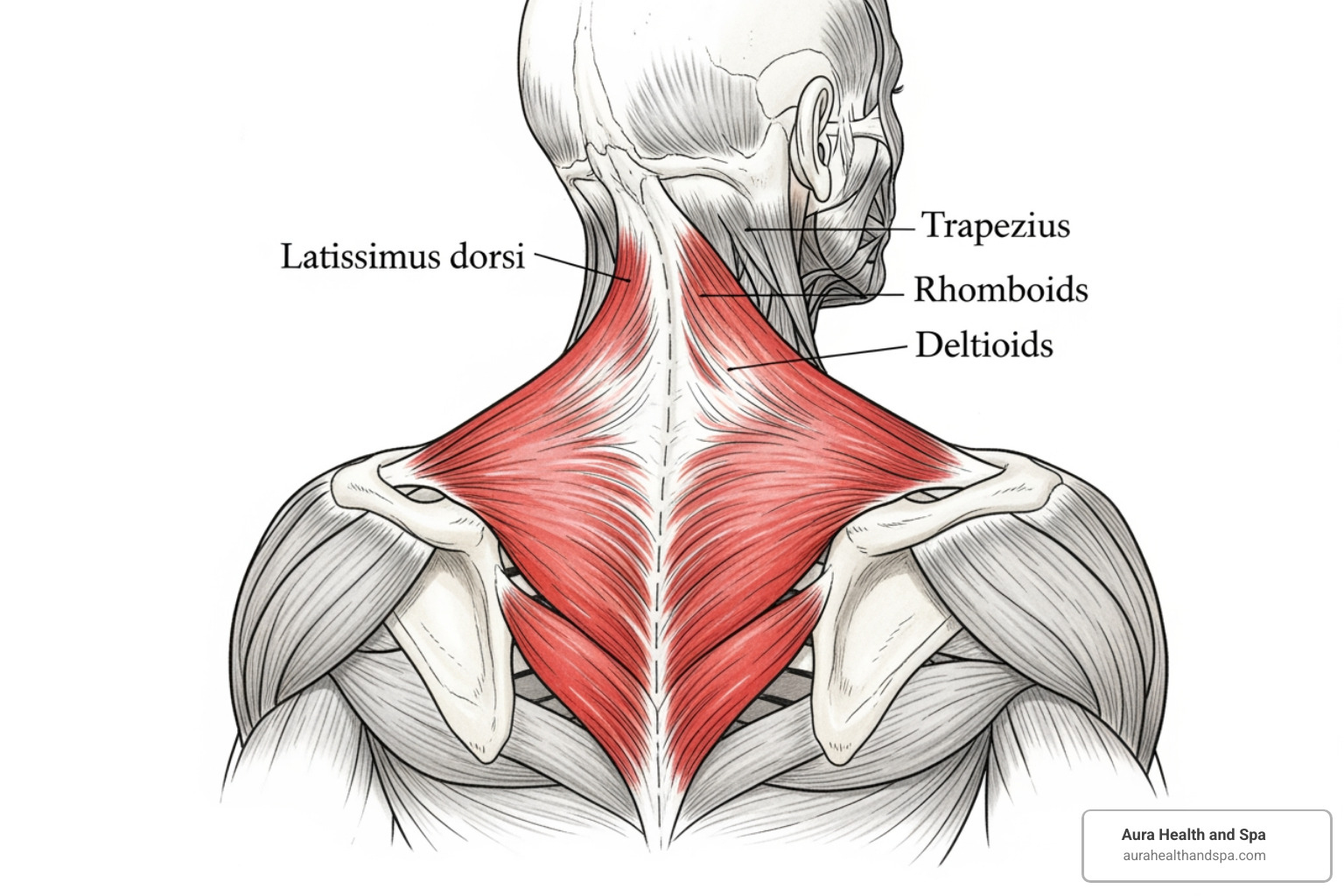
Traptox, a portmanteau of “trapezius” and “Botox,” involves injecting neurotoxins like Botox, Dysport, or Xeomin into the trapezius muscles. These large, diamond-shaped muscles extend from the base of your skull, across your shoulders, and down your upper back. When overactive or bulky, they can cause both cosmetic and functional issues.
The trapezius muscles move and stabilize your shoulder blades and neck. Factors like stress, poor posture (from prolonged screen time), overuse, or genetics can cause these muscles to become tense, enlarged, and painful.
The treatment works by temporarily relaxing these muscles, which offers a powerful dual benefit:
- Aesthetic Benefits (Shoulder Slimming and Neck Contouring): By reducing muscle bulk, Traptox creates a more elongated, graceful neckline and a slimmer shoulder contour. This “Barbie Botox” effect offers the optical illusion of a longer neck and a more delicate silhouette.
- Therapeutic Benefits (Pain Relief and Posture Improvement): Traptox provides significant relief for chronic neck and shoulder pain, muscle tension, and tension headaches. This relaxation can also improve posture by reducing the hunched appearance associated with tight traps. One study found that 95% of women treated for bulky trapezius muscles were satisfied with the results, reporting both aesthetic and comfort benefits.
The Complete Breakdown of Botox Trapezius Muscle Cost
Understanding the botox trapezius muscle cost upfront helps you plan and decide if Traptox fits your wellness and aesthetic goals.
Average Cost of a Traptox Session
Most patients invest between $1,000 and $3,000 for a complete Traptox session. Here in Metro Detroit, including our Ann Arbor location, pricing is typically in the $1,200 to $1,800 range for both shoulders.
Pricing is based on a per-unit cost of $10 to $20. While this is similar to facial Botox, the trapezius muscles are much larger and require significantly more product—typically 80 to 120 units total compared to 10 to 30 units for facial treatments.
Key Factors That Influence Your Final Botox Trapezius Muscle Cost
Several important factors shape what you’ll pay for your Traptox treatment.
The number of units you need is the biggest factor in your total cost. Your unique anatomy and goals determine the dosage. For example, dramatic shoulder slimming requires more units than mild tension relief. During your consultation, we’ll assess your muscle structure to determine your personalized dosage, which is typically 40 to 60 units per shoulder (80 to 120 units total).
Your provider’s expertise and credentials influence pricing. Board-certified specialists or highly trained injectors may charge more, but this expertise leads to better, safer, and more natural-looking results. At Aura Health & Spa, our medically trained staff have specialized experience and prioritize continuous training. You’re not just paying for the product; you’re investing in the skill of your injector.
Geographic location plays a role in treatment pricing. Our locations in Plymouth, Sterling Heights, and Ann Arbor, Michigan, offer competitive pricing for our Metro Detroit community. Clinics in major metropolitan centers often have higher overhead costs reflected in their prices.
The type of neurotoxin used can affect your final botox trapezius muscle cost. While “Botox” is the household name, other options like Dysport, Xeomin, Daxxify, and Jeuveau exist. Each has slightly different characteristics and pricing, which we’ll discuss during your consultation.
Is Traptox Covered by Insurance?
Insurance typically does not cover Traptox for cosmetic purposes like shoulder slimming. Aesthetic procedures are considered elective and fall outside standard insurance benefits.
However, there is a potential exception. If your doctor prescribes Traptox to treat a documented medical condition—such as chronic migraines, cervical dystonia (severe neck muscle spasms), or persistent pain—your insurance provider might offer partial coverage. This requires a proper medical diagnosis and documentation.
If you’re considering Traptox for therapeutic reasons, contact your insurance provider to understand their specific policies. We are happy to provide any documentation you might need to submit a claim, though we cannot guarantee insurance approval.
The Traptox Experience: From Consultation to Results
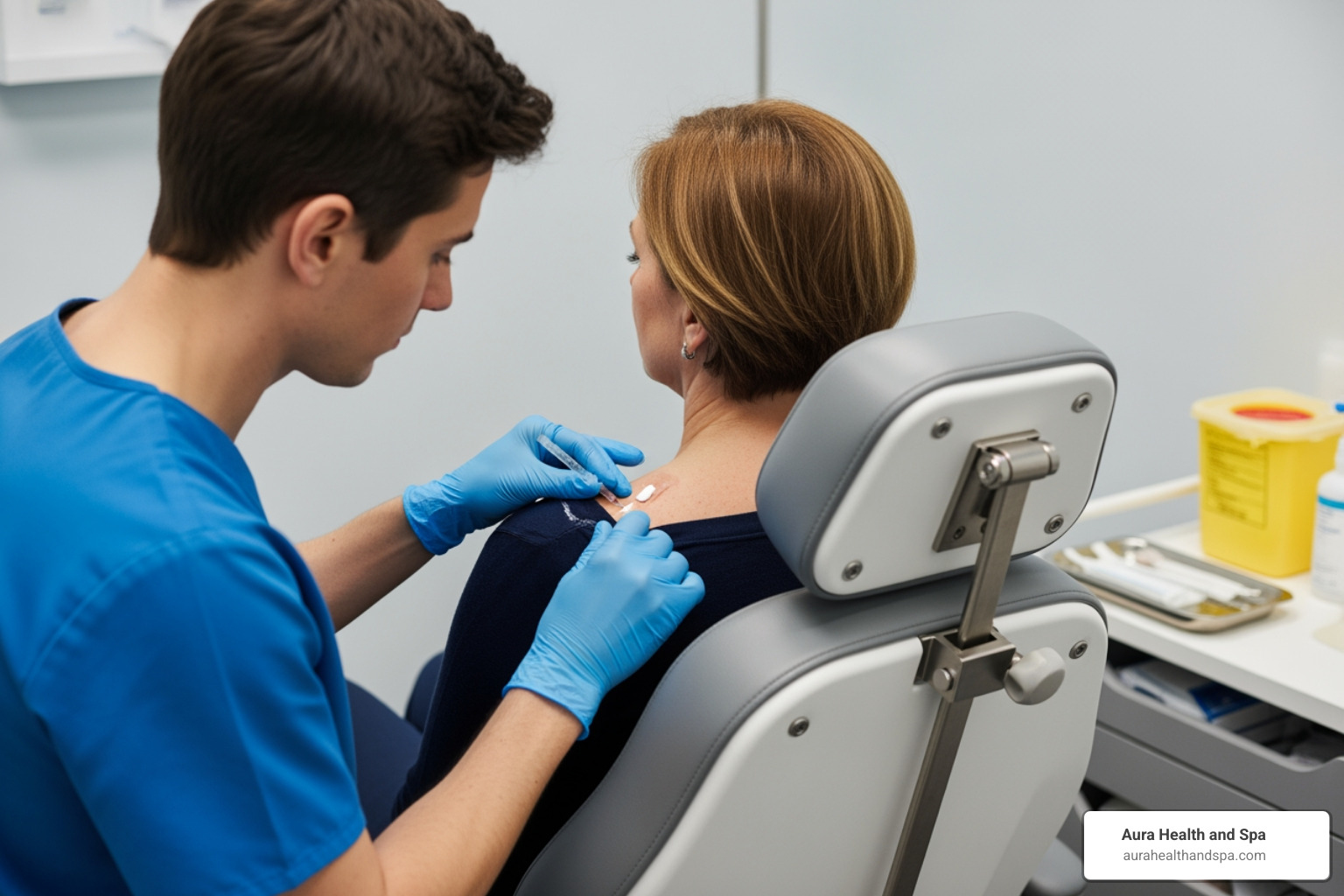
Your Traptox journey at Aura Health & Spa is designed for transparency, comfort, and results. Understanding each step helps you feel confident in your decision.
What to Expect During Your Consultation and Treatment
Your experience begins with a personalized consultation to understand your goals, whether you’re seeking an elongated neckline or relief from chronic shoulder tension.
During the consultation, our expert injectors will assess your trapezius muscles, review your medical history, and discuss your goals. This ensures Traptox is safe and suitable for you. We’ll discuss realistic expectations and provide a detailed breakdown of your estimated botox trapezius muscle cost, including the number of units and recommended neurotoxin. We encourage questions about pricing as part of our commitment to transparency.
The treatment itself is straightforward. We’ll clean the injection sites and can apply a topical numbing cream for comfort. Our injector will then administer small amounts of neurotoxin into strategic points across your trapezius muscles using very fine needles. Most patients describe the sensation as tiny, quick pricks. The entire procedure typically takes only 10 to 15 minutes.
After your treatment, you can generally return to your normal routine. We recommend avoiding intense workouts or heavy lifting for 24 hours to allow the neurotoxin to settle properly. If you’re considering Traptox, Contact Us today to schedule your consultation.
Results Timeline and Longevity
Understanding the results timeline helps set realistic expectations.
Within the first 5 to 7 days, you’ll likely begin to feel the trapezius muscles relaxing. This initial change is often a reduction in tension or discomfort.
The full aesthetic benefits—shoulder slimming and a more elongated neckline—usually take 2 to 4 weeks to fully develop. Because the trapezius muscles are large, visible changes take more time to manifest.
The effects of Traptox are temporary, typically lasting 3 to 6 months. Your individual metabolism, muscle activity, and the number of units injected all affect longevity. To maintain your results, we recommend scheduling maintenance sessions every 3 to 6 months, or 2 to 3 times per year.
Potential Risks and Side Effects of Traptox
While Traptox is safe when performed by qualified professionals, it’s important to be informed about potential risks.
The most common side effects are mild and temporary, including bruising, swelling, redness, or tenderness at the injection sites. These typically resolve within a few days.
More significant side effects are uncommon but possible. Some patients experience temporary muscle weakness, particularly when lifting heavy objects. Rarely, if the neurotoxin spreads, you might have difficulty turning your neck. Compensatory tightening in surrounding muscles can also occur. Allergic reactions are rare but possible with any injectable.
The most important factor in minimizing these risks is choosing a provider with extensive experience and a deep understanding of muscle anatomy. Our medically trained staff specialize in precise injection techniques to maximize results while prioritizing your safety. This expertise is crucial because Traptox is an “off-label” use of Botox, meaning it requires skill and training that not all providers possess.
Is Traptox Worth It? Weighing the Pros, Cons, and Alternatives
Deciding if Traptox is worth the investment is a personal choice that weighs cost against benefits. For many of our patients, the value goes beyond aesthetics to include pain relief and an improved quality of life.
| Feature |
Traptox (Trapezius Botox) |
Facial Botox (e.g., frown lines) |
| Primary Goals |
Shoulder slimming, neck elongation, pain/tension relief |
Wrinkle reduction, anti-aging |
| Units Needed |
80-120 units total (40-60 per shoulder) |
10-30 units total (depending on area) |
| Typical Cost |
$1,000 – $3,000 per session |
$200 – $600 per session |
| Muscle Size |
Large, strong muscles |
Smaller, delicate muscles |
| Duration |
3-6 months |
3-4 months |
| Key Benefits |
Aesthetic & Therapeutic |
Primarily Aesthetic |
The Value Proposition: Benefits vs. Cost
When considering the botox trapezius muscle cost, think about what you’re truly investing in. The price is higher than facial Botox because the trapezius muscles are larger, but the gains can transform your daily experience.
The confidence boost can be life-changing. If you’re self-conscious about bulky shoulders, Traptox can help you feel comfortable and confident wearing the clothes you love.
The physical comfort is also significant. For those with chronic tension headaches or muscle tightness from stress and poor posture, the relief can be transformative. It’s not just about looking better; it’s about feeling better daily.
Better posture naturally follows. When overactive trapezius muscles relax, your shoulders can drop into their proper position, easing the hunched appearance from desk work.
Research supports what we see in our clinic. In one study, a vast majority of women found satisfaction with the results, experiencing both aesthetic improvements and comfort. For many, the combined benefits make the botox trapezius muscle cost a worthwhile investment in their well-being.
Complementary Wellness Services for Shoulder Tension
Traptox isn’t the only path to relief. At Aura Health & Spa, we offer a range of wellness services that also support muscle relaxation and reduce neck and shoulder tension.
Professional massage therapy is highly effective for releasing muscle knots and improving circulation. Our spa therapies and relaxation treatments help your entire body unwind, addressing the stress that often causes tightness.
You can explore our full range of wellness options on our spa services page. These treatments can work beautifully alongside Traptox or serve as standalone solutions.
For at-home care, tools like massage guns, foam rollers, and gentle stretching can provide relief between professional treatments. It’s worth noting that Traptox specifically addresses muscle bulk, making it uniquely effective for that concern, whereas overall weight loss would be needed if excess weight is the primary issue.
The bottom line is that Traptox delivers both aesthetic refinement and genuine therapeutic relief, making it worth considering for the right person.
Frequently Asked Questions about Trapezius Botox
How many units of Botox are needed for the trapezius muscle?
The number of units depends on your muscle size and treatment goals. Most patients require 40 to 60 units per shoulder, for a total of 80 to 120 units per session. This is more than facial Botox because the trapezius muscles are much larger and stronger. A personalized consultation will determine your exact dosage, which affects your final botox trapezius muscle cost.
Does Traptox hurt?
Most patients find Traptox very tolerable. The treatment involves a series of small injections with a very fine needle, and the sensation is often described as quick, tiny pricks. To maximize comfort, we can apply a topical numbing cream before the procedure, which takes only 10 to 15 minutes.
Can Traptox weaken my shoulders?
When performed correctly by a skilled injector, Traptox should not significantly impact your shoulder strength for everyday activities. The goal is to relax the muscle, not paralyze it. Some temporary muscle heaviness or mild fatigue is possible, especially when lifting heavy objects. This is why we recommend avoiding intense workouts for 24 hours post-treatment. Choosing a provider who understands muscle anatomy, like the medically trained staff at Aura Health & Spa, is key to minimizing this risk and ensuring your functional strength is preserved.
Achieve Your Aesthetic Goals with Expert Care
Traptox offers a unique dual benefit, delivering both the aesthetic change you want and the physical relief you need in a single treatment.
While the botox trapezius muscle cost of $1,000 to $3,000 per session is an investment, its value becomes clear when you experience relief from chronic shoulder tension or see a more refined neckline in the mirror. The benefit is about more than just the price; it’s about feeling confident and comfortable in your own skin.
At Aura Health & Spa, our promise is simple: confidence starts with results you can see. We’ve built our reputation across Metro Detroit—in Plymouth, Sterling Heights, and Ann Arbor—by delivering on that promise. Our medically trained staff brings precision and professionalism to every treatment.
What sets us apart is our approach: clear pricing, honest consultations that educate, and personalized care custom to your unique anatomy and goals. We create a treatment plan that makes sense for you. We prioritize your safety and satisfaction, ensuring precise, effective injections through continuous training and a deep understanding of muscle anatomy.
If you’re in Metro Detroit and considering Traptox, we invite you for a consultation. We’ll discuss your goals, assess your needs, and provide transparent pricing. Our goal is an honest conversation to determine if Traptox is right for you.
Ready to take the first step toward a more confident, comfortable you? Learn more about our Botox treatments and find how our results-driven approach can help you achieve your aesthetic and wellness goals.
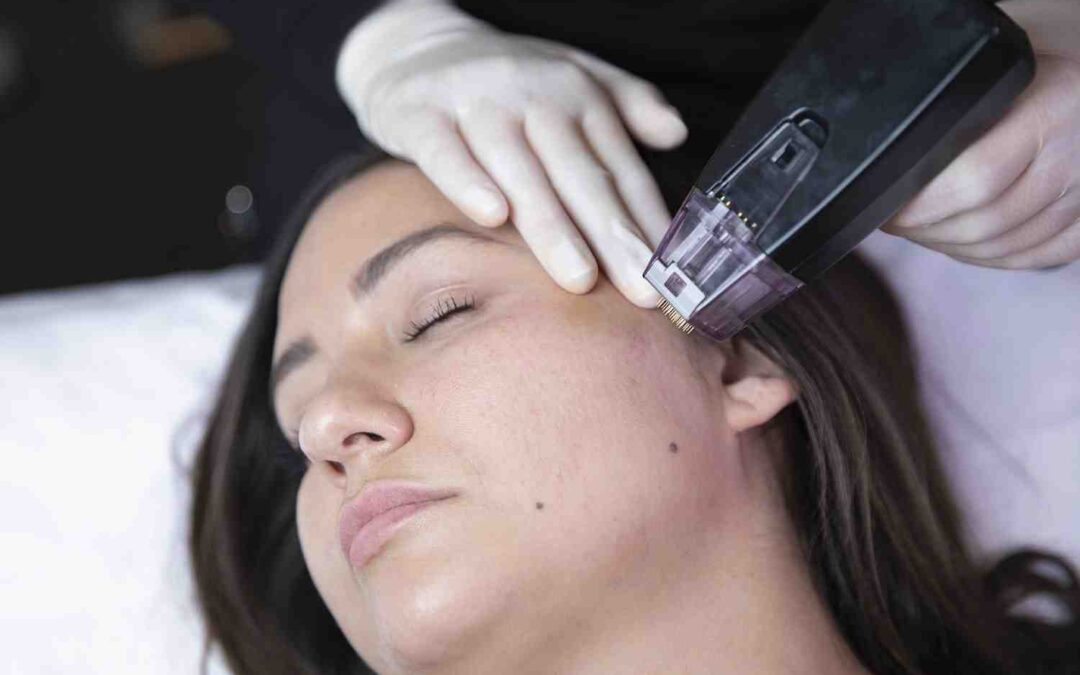
by Dr. Reema Sethi | Jan 8, 2026 | Skincare
Why Morpheus8 Is the Go-To Solution for Natural Skin Rejuvenation
Morpheus8 at Aura Health & Spa in Plymouth, Michigan, is a minimally invasive radiofrequency (RF) microneedling treatment that combines the power of traditional microneedling with deep-penetrating RF energy to stimulate collagen production, tighten skin, and improve texture. It’s designed to address a wide range of concerns—from fine lines and sagging skin to acne scars and stretch marks—on both the face and body.
Quick Overview:
- What it treats: Fine lines, wrinkles, skin laxity, acne scars, enlarged pores, uneven texture, stretch marks, and cellulite
- How it works: Tiny needles create micro-channels while delivering RF energy deep into the skin (up to 8mm) to trigger collagen and elastin production
- Treatment time: 30-60 minutes per session
- Downtime: 1-3 days of mild redness and swelling
- Results timeline: Initial improvements within days, most noticeable results after 3 weeks, full results in 3-6 months
- Number of sessions: Typically 1-3 treatments spaced 4-6 weeks apart
- Safe for all skin tones: Yes, with minimal risk of hyperpigmentation
If you’re looking for a way to turn back the clock without surgery, Morpheus8 offers real, lasting results. Unlike traditional microneedling, which only treats the surface, Morpheus8 reaches deeper layers where collagen and elastin live—the building blocks that keep skin firm and youthful.
I’m Dr. Reema Sethi, and I bring over 15 years of clinical experience to Aura Health & Spa in Plymouth, Michigan, where I serve as Medical Director and oversee all treatments to ensure the highest standards of care. Our procedures are performed by medically trained, licensed providers, and I’ve seen how transformative Morpheus8 can be for patients seeking safe, subtle, and effective rejuvenation.
This guide will walk you through everything you need to know—from how the treatment works to what results you can expect—so you can make an informed decision about whether Morpheus8 at Aura Health & Spa in Plymouth, MI is right for you.
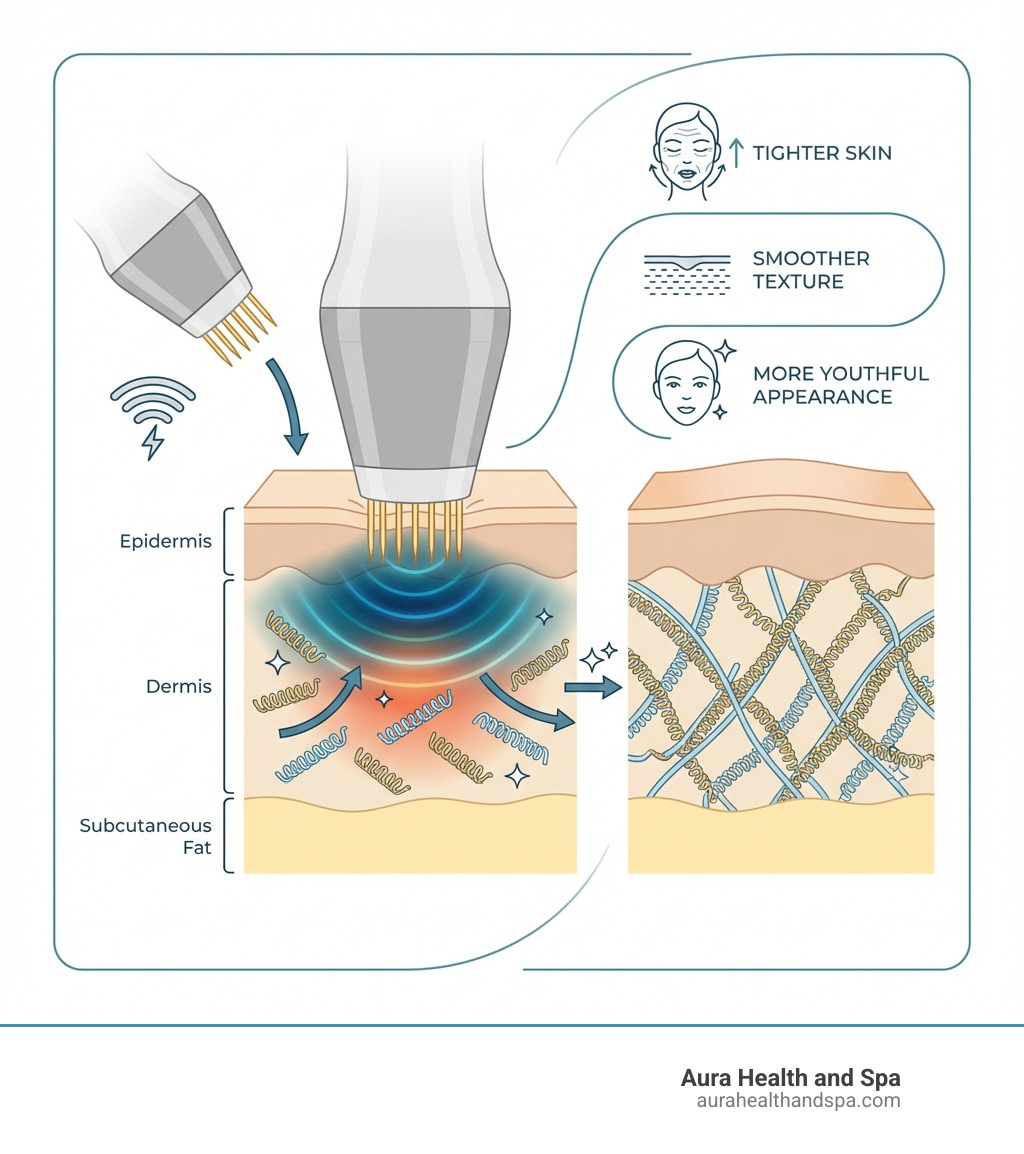
Morpheus8 helpful reading:
What is Morpheus8 and How Does It Refresh Your Skin?
At Aura Health & Spa in Plymouth, MI, we believe that confidence starts with results you can see. Morpheus8 is a non-surgical cosmetic treatment that helps us deliver on that promise by tightening and rejuvenating your skin. This cutting-edge device combines two powerful technologies: microneedling and radiofrequency (RF) energy, to remodel deeper layers of skin and subdermal tissue. It’s a minimally invasive solution that triggers your body’s natural healing response, encouraging the production of new collagen and elastin—the essential proteins for youthful, firm, and elastic skin.
The Science Behind RF Microneedling
Morpheus8 works by utilizing a matrix of tiny, fine needles to create controlled micro-injuries in the skin, a process known as microneedling or collagen induction therapy. These micro-channels alone stimulate a natural healing cascade, but what makes Morpheus8 at Aura Health & Spa truly exceptional is the simultaneous delivery of radiofrequency (RF) energy.
The RF energy is delivered through these microneedles deep into the dermis and subdermal layers, causing a controlled thermal injury. This heat further intensifies the body’s natural wound response, promoting robust collagen and elastin production. This dual-action approach not only improves skin texture and tone but also initiates Subdermal Adipose Remodeling (SARM), which helps to contour and tighten the skin for a smoother, sleeker appearance. This fractionated RF energy is a scientifically proven method to reduce wrinkles and rebuild collagen and fat.
To learn more about how this advanced technology can transform your skin in Plymouth, Michigan, visit our dedicated page on RF Microneedling at Aura Health & Spa.
What Makes the Morpheus8 Treatment Unique?
While other treatments offer microneedling or RF energy, Morpheus8 at Aura Health & Spa stands out with its unique capabilities:
- Deepest Fractional Treatment: It delivers the deepest fractional treatments available, heating subdermal tissue up to 8mm (7mm needle penetration + 1mm thermal profile). This unparalleled depth allows for significant remodeling of collagen and even fat.
- Customizable Needle Depth: The adjustable microneedle depths, ranging from 0.5mm to 7mm, allow our licensed providers to precisely target specific skin layers and concerns, ensuring a custom treatment for optimal results.
- Safe for All Skin Tones: Thanks to its innovative “color blind” technology, Morpheus8 can be safely and effectively used on all skin types and colors, including darker tones, with a very low risk of post-inflammatory hyperpigmentation. This makes it a versatile treatment option for nearly everyone in the Metro Detroit area.
- Dual Handpieces for Versatility: With both the standard Morpheus8 handpiece and the Morpheus8 Body handpiece, we can treat a wide range of areas, from delicate facial zones to larger body regions, ensuring comprehensive skin renewal.
This advanced technology represents a significant leap in non-surgical aesthetics and is a cornerstone of the premium, results-focused treatment packages offered at Aura Health & Spa in Plymouth, MI. You can learn more about the innovation behind it directly from the manufacturer, InMode, by visiting their Investors InternationalInvestorsCareers page.
Key Benefits and Skin Concerns Addressed
The true beauty of Morpheus8 at Aura Health & Spa in Plymouth, Michigan, lies in its ability to address a wide spectrum of skin concerns, offering visible results that help our clients look younger, feel more confident, and love their reflection again. It’s not just about treating symptoms; it’s about rebuilding the foundational health of your skin for natural-looking rejuvenation.

Comprehensive Facial and Neck Rejuvenation
For many of our clients in Plymouth, MI, the face and neck are primary areas of concern. Morpheus8 is exceptionally effective here:
- Skin Laxity & Jowls: It significantly tightens loose or sagging skin on the lower face and neck, improving jawline definition and reducing the appearance of jowls.
- Fine Lines & Wrinkles: By stimulating collagen and elastin, Morpheus8 smooths out fine lines and wrinkles on the forehead, around the eyes, and mouth, restoring a more youthful appearance.
- Uneven Skin Texture & Enlarged Pores: The treatment refines skin texture, making it smoother and softer, and can help to minimize enlarged pores.
- Acne Scars: Morpheus8 penetrates deep enough to break down scar tissue, helping to minimize the appearance of acne scars, particularly “boxcar” and “rolling” types. While it delivers less improvement for “icepick” scarring, combination therapies are often effective for those with varied scarring.
- Under-Eye Concerns: For delicate under-eye areas, Morpheus8 can improve texture and reduce the appearance of bags. At Aura Health & Spa in Plymouth, Michigan, our highly trained staff also pair Morpheus8 with our medium depth Perfect Derma Peel and PDGF+ (used off-label) for improved under-eye rejuvenation, providing comprehensive solutions for this sensitive area.
We offer a range of advanced solutions in Plymouth, MI to keep your skin looking its best. Explore our other technology-driven Facial Treatments, including premium options like Glo2facial and Hydrafacial, to find the perfect complement to your Morpheus8 journey.
Targeted Body Treatments
Beyond the face and neck, Morpheus8 is remarkably versatile and can be used on almost any area of the body that can benefit from subdermal renewal. The Morpheus8 Body handpiece, with its 3D Smart Frame and Burst technology, allows for even deeper and more extensive treatment (up to 8mm).
Treatable Areas Include:
- Face
- Neck
- Under-Eyes
- Abdomen
- Arms (“bat wings”)
- Thighs
- Knees
Morpheus8 Body is ideal for addressing:
- Stretch Marks: It can significantly improve the appearance and texture of stretch marks.
- Cellulite Appearance: The treatment helps to remodel fat and tighten skin, leading to a smoother contour and a reduction in the visible signs of cellulite.
- Mild Fat Reduction: In specific areas like the jowls, arms, and abdomen, Morpheus8 can contribute to mild fat reduction by targeting and remodeling adipose tissue.
- Skin Laxity: For areas exhibiting loose skin, Morpheus8 Body provides effective tightening and firming.
Morpheus8 Body provides an excellent non-surgical option for skin tightening and textural improvement across various body parts, often as part of premium treatment packages that pair Morpheus8 with EXOE exosomes or PDGF+ to improve healing and results.
Your Morpheus8 Journey: What to Expect
Starting on a Morpheus8 journey at Aura Health & Spa in Plymouth, MI, means you’re choosing a path to renewed confidence with professional care every step of the way. We prioritize your comfort and ensure a seamless experience from consultation to recovery.
Consultation and Preparation
Your journey begins with a personalized consultation at our Plymouth, Michigan med spa. Our medically trained, licensed providers will assess your specific skin concerns, review your medical history, and discuss your aesthetic goals. This allows us to craft a customized Morpheus8 treatment plan just for you, often incorporating premium add-ons like EXOE exosomes or PDGF+ to maximize results. We adhere to standardized consultation protocols to ensure consistent, exceptional results and client satisfaction.
Before your treatment, we’ll provide you with clear pre-treatment instructions. This typically includes avoiding direct sun exposure for a few days, staying well-hydrated, and temporarily discontinuing certain skincare products. Our team at Aura Health & Spa in Plymouth, MI, is always here to answer any questions you might have, ensuring you feel fully prepared and confident.
The Treatment Session
When it’s time for your Morpheus8 session, your comfort is our priority. We start by applying a topical numbing cream to the treatment area, which takes about an hour to ensure optimal comfort during the procedure.
The treatment itself typically lasts between 30 and 60 minutes, depending on the size and number of areas being treated. Our licensed provider will use the Morpheus8 device, gently pressing it against your skin. You might experience a mild prickling sensation combined with a warming or pulling feeling as the tiny needles penetrate and the RF energy is delivered. Most patients report only mild heat and a pulling sensation, describing it as tolerable. If needed, we can adjust the settings to ensure you remain as comfortable as possible throughout the session.
Recovery, Downtime, and Results
One of the great advantages of Morpheus8 is its minimal downtime. Most patients experience mild redness, swelling, or tenderness for about 1 to 3 days post-treatment, similar to a mild sunburn. Potential side effects like bruising or slight pinpoint bleeding can occur, which may last for a few days up to two weeks. Most people can resume their daily activities almost immediately, though we recommend avoiding strenuous workouts and direct sun exposure for a few days.
We’ll provide you with detailed aftercare instructions, emphasizing the importance of keeping the treated area moisturized and diligently using a broad-spectrum sunscreen with an SPF of 30 or higher every day. Makeup can typically be applied 1 to 2 days after your session.
While visible results can sometimes be seen within a few days, the most noticeable improvements typically appear after 3 weeks. The full benefits of Morpheus8 truly unfold over 3 to 6 months as your body continues to produce new collagen and remodel existing tissue. These results are long-lasting, often enduring for a year or even longer, especially with consistent skincare, premium treatment packages, and yearly maintenance treatments at our Plymouth, MI location to re-stimulate collagen production. It’s a gradual, natural process that leads to a refreshed, revitalized, and improved complexion.
Frequently Asked Questions about Morpheus8
We know you might have more questions about Morpheus8, and we’re here to provide clear, honest answers from our expert team in Plymouth, Michigan.
How many sessions will I need?
The number of Morpheus8 sessions recommended will vary based on your individual goals and the specific concerns we are addressing. However, for optimal results, we typically recommend a series of 1 to 3 treatments, spaced about 4 to 6 weeks apart. This allows your skin enough time to heal and for collagen production to kick in between sessions. Many of our clients in Plymouth, MI also opt for yearly maintenance treatments to sustain and improve their beautiful results, viewing it as a long-term investment in their skin health.
Is the treatment painful?
We understand that comfort is a significant concern. While Morpheus8 involves needles and heat, the treatment is generally well-tolerated. As mentioned, we apply a strong topical numbing cream before your session to minimize discomfort. During the procedure, most patients describe the sensation as mild heat and a pulling feeling. If you have a lower pain tolerance, our licensed providers are skilled at managing your comfort and can adjust the settings as needed to ensure a positive experience. Your well-being is always our top priority.
How does Morpheus8 compare to traditional microneedling?
While both Morpheus8 and traditional microneedling create micro-injuries to stimulate collagen, Morpheus8 at Aura Health & Spa offers a significant advantage due to its dual-action technology.
- Deeper Penetration: Traditional microneedling only penetrates the skin’s surface, while Morpheus8 reaches much deeper layers—up to 8mm—allowing for more profound tissue remodeling.
- RF Energy for Improved Results: The addition of radiofrequency (RF) energy in Morpheus8 heats the deeper dermal and subdermal layers. This controlled thermal energy provides superior skin tightening and remodeling that traditional microneedling cannot achieve on its own.
- More Dramatic and Lasting Outcomes: This combination leads to more dramatic and comprehensive results, addressing not just surface texture but also skin laxity, fat remodeling, and deeper wrinkles.
For those seeking more advanced skin rejuvenation with superior tightening and contouring in Plymouth, Michigan, Morpheus8 is a step above. You can learn more about our other premium microneedling options—such as Microneedling with PRP, Microneedling with Exosomes (EXOE), and Microneedling with PDGF+—by visiting our page on Advanced SkinPen Microneedling.
Achieve Your Best Skin with Morpheus8 at Aura Health & Spa
At Aura Health & Spa in Plymouth, MI, we are dedicated to helping you look younger, feel more confident, and love your reflection again. Morpheus8 stands out as a cornerstone of our advanced facial aesthetics and anti-aging services, offering unparalleled precision, professionalism, and visible results. It’s a testament to our commitment to using the most trusted medical technologies to help every client restore, improve, and maintain their best look.
We believe that investing in your skin health with Morpheus8 is a meaningful investment in yourself. Our premium treatment packages are designed to maximize your results, often including value-adding add-ons and professional skincare to improve outcomes. For instance, we frequently pair Morpheus8 with EXOE exosomes or PDGF+ for improved healing and regenerative benefits, ensuring you receive a truly comprehensive and superior experience at our Plymouth, Michigan location.
All our Morpheus8 treatments are performed by our medically trained, licensed providers under the oversight of our Medical Director, ensuring your safety and optimal results. We focus on personalized care, providing clear education and delivering results that earn your loyalty.
If you’re ready to explore how Morpheus8 can transform your skin, we invite you to experience the Aura Health & Spa difference in Plymouth, MI.
Book Your Morpheus8 Consultation in Plymouth, MI Today!