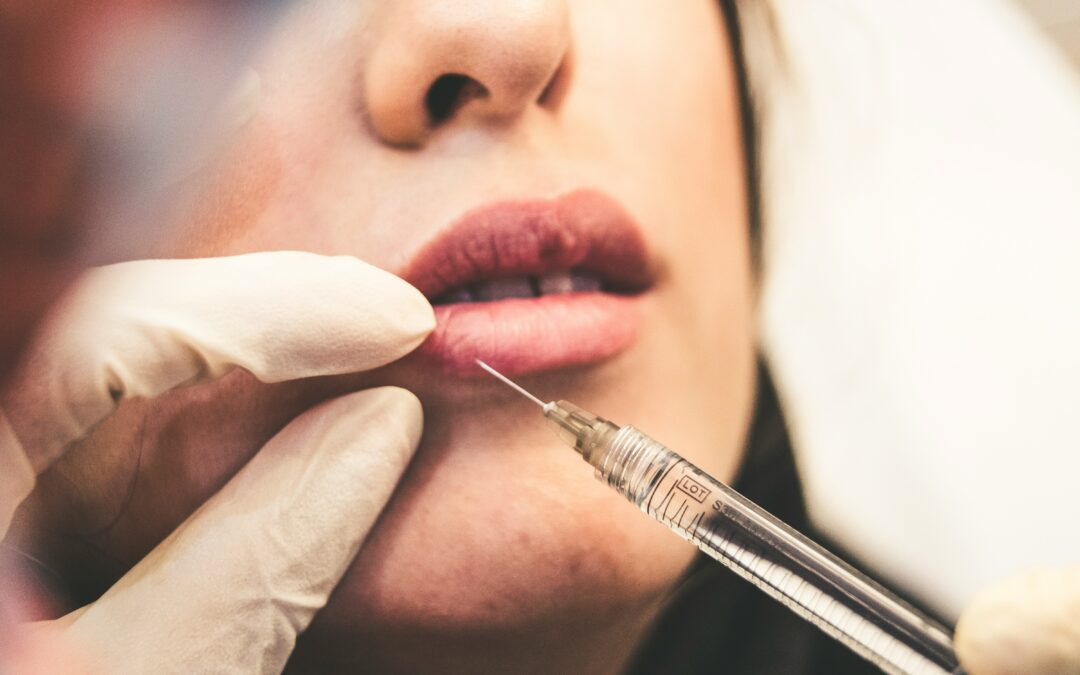
Hair loss can significantly impact a person’s appearance and self-confidence. Choosing a hair restoration clinic means finding one that offers state-of-the-art technology, experienced surgeons, and comprehensive care while fitting your budget. Customer reviews have become essential in guiding prospective patients through this process. This article reviews verified patient feedback on hair restoration clinics, outlines available services, and explains how advanced technology, surgeon expertise, and transparent care contribute to patient satisfaction. By evaluating reviews and treatment techniques, potential patients in and around Plymouth, MI, can gain clear insights into clinic performance, treatment outcomes, and overall value. The sections below cover the key factors that patients consider when choosing a clinic, including service offerings, expertise, and common concerns expressed in reviews.
What Are the Best Hair Restoration Clinics Near Me According to Customer Reviews?
Customer reviews are a vital resource for assessing the reliability, expertise, and overall satisfaction offered by hair restoration clinics. The best clinics are marked by high ratings for minimally invasive procedures, state-of-the-art technology, and personalized treatment plans addressing pattern hair loss, finite grafting techniques, and proper hair loss management. Verified feedback also highlights clinics that excel in scar management, beardrestoration, and eyebrow restoration—ensuring every aspect of restoration is handled with precision.
How to Identify Top-Rated Clinics Using Verified Customer Feedback
Top-rated clinics are identified by reviewing authentic customer feedback on reputable platforms. These reviews, submitted by real patients, remove bias and fake endorsements. Prospective patients should look for detailed accounts of the pre-treatment consultation, procedure, recovery stages, and results. Reviews mentioning benefits like restored hair density, negligible scarring, and increased confidence are especially useful. Clinics consistently scoring above 4.5 out of 5 with positive comments on surgeon expertise and aftercare are considered top-rated.
Which Clinics Consistently Receive High Ratings for Hair Restoration?
Clinics that excel in hair restoration invest in advanced technologies such as Follicular Unit Extraction (FUE) and Follicular Unit Transplantation (FUT). They also offer non-surgical options like laser therapy and medication management (for example, finasteride) to control hair loss. Reviews often reveal that a multidisciplinary team comprising skilled surgeons, nurses, and patient coordinators results in better outcomes. Clear consultations and transparent pricing further increase patient satisfaction, and detailed pre-surgery consultations with customized treatment plans are highly valued.
What Are the Most Trusted Platforms for Hair Restoration Clinic Reviews?
Trusted review platforms such as RealSelf, Google Reviews, and Healthgrades provide a wealth of patient testimonials. These sites verify patient identities and break down ratings by surgeon expertise, clinic environment, and aftercare services. Social media channels like Facebook and Instagram also reveal before-and-after photos and honest comments from patients. Using these resources allows prospective patients to compare clinics and simplify their decision-making process.
What Hair Restoration Services Do Top Clinics Offer?
Top hair restoration clinics provide a broad spectrum of services to meet the varied needs of patients. They offer both surgical and non-surgical treatments to address different types and degrees of hair loss. Surgical procedures include advanced transplant techniques such as FUE and FUT, while non-surgical treatments feature low-level laser therapy, platelet-rich plasma (PRP) injections, and medication management for conditions like androgenetic alopecia. Personalized consultations help define the best treatment strategy based on an individual’s specific condition, age, and lifestyle.
How Do Follicular Unit Extraction (FUE) and Follicular Unit Transplantation (FUT) Compare?
FUE and FUT are the primary surgical techniques for hair restoration. FUE is minimally invasive, extracting individual hair follicles with minimal scarring and faster recovery. FUT involves removing a strip of scalp to harvest hair follicles, which can yield a larger number of grafts but may leave a linear scar. Reviews indicate that patients valuing minimal downtime and natural appearance tend to choose FUE, while those needing extensive restoration on a limited budget may opt for FUT. Ultimately, both techniques can be highly successful when performed by experienced surgeons.
What Non-Surgical Treatments Are Available at Leading Clinics?
Alongside surgery, many clinics offer non-surgical treatments that either complement transplant procedures or serve as standalone options. Laser therapy improves blood circulation in the scalp and stimulates hair growth. PRP injections use a patient’s own blood components to promote healing and regeneration, and medications such as finasteride and minoxidil are commonly recommended. These less invasive treatments are popular with patients experiencing early-stage hair loss or who prefer not to undergo surgery. Reviews highlight their effectiveness in enhancing hair density and overall scalp health.
How Do Personalized Treatment Plans Impact Customer Satisfaction?
Personalized treatment plans are a key factor in high patient satisfaction. By tailoring procedures to an individual’s hair loss pattern, scalp condition, and lifestyle, clinics create realistic expectations and foster trust through transparency. Detailed, personal consultations help in predicting outcomes and reducing complications. Reviews consistently show that when patients’ unique concerns are addressed, satisfaction increases, and the combination of surgical and non-surgical approaches boosts long-term confidence in the results.
How Do Customer Reviews Reflect Clinic Expertise and Technology?
Customer reviews provide direct insight into how advanced technology and skilled surgeons enhance patient outcomes. High-quality devices for FUE and FUT contribute to more natural results with minimal downtime. Patients appreciate when surgeons explain every step of the procedure and provide clear recovery instructions. The combination of state-of-the-art equipment and extensive surgeon experience builds trust and leads to higher satisfaction.
Why Is Surgeon Experience Critical According to Patient Feedback?
Surgeon experience is frequently flagged as crucial by patients. Experienced surgeons can adapt techniques to individual hair loss patterns and scalp conditions. Their refined skills result in better aesthetic outcomes and fewer complications. Reviews note that procedures performed by seasoned professionals are generally quicker, less painful, and yield more natural results, reinforcing the link between surgeon expertise and successful hair restoration.
How Does Advanced Technology Influence Patient Outcomes?
Advanced technology, such as automated extraction devices and high-resolution imaging systems, leads to precise graft placement and increased graft survival. Patients report that these tools contribute to a smoother and faster recovery, with more natural-looking outcomes. Reviews consistently show that clinics employing cutting-edge technology achieve better long-term results, enhancing overall patient satisfaction.
What Role Does Transparency Play in Customer Ratings?
Transparency about treatment processes, pricing, and aftercare is a common theme in positive reviews. Clinics that clearly explain expected outcomes, recovery times, and potential risks build trust with their patients. Honest disclosure of costs and detailed pre-treatment information lead to higher patient satisfaction, as clients feel well-informed and confident in their treatment choices.
What Are Common Customer Concerns and How Do Clinics Address Them?
Common concerns among patients include the effectiveness of the treatment, recovery time, cost, and potential scarring. Reviews often mention worries about visible scars and prolonged downtime. Top-rated clinics address these issues by providing comprehensive pre-procedure consultations, realistic previews through before-and-after photos, and tailored post-operative care. This proactive approach helps transform initial apprehension into confidence and satisfaction.
How Do Clinics Manage Expectations and Provide Support?
Effective clinics manage expectations by offering thorough consultations that outline the entire treatment process from start to finish. Pre-surgery tutorials, realistic outcome forecasts, and direct access to patient support teams are key components. Regular follow-ups and clear aftercare instructions ensure any issues are quickly addressed, providing patients with a reassuring support system throughout their recovery.
What Do Reviews Say About Recovery and Aftercare Services?
Recovery and aftercare are frequently highlighted in patient reviews. Clinics that offer detailed recovery plans—complete with post-surgical care guidelines, emergency hotlines, and scheduled follow-ups—tend to receive high marks. Successful aftercare minimizes complications such as infections or extended downtime, and well-supported recovery processes are consistently linked to optimal treatment results.
How Important Is Clinic Location and Accessibility to Patients?
Location and accessibility also play an important role in patient satisfaction. Conveniently located clinics reduce travel stress and provide easier access to post-operative care. Reviews note that clinics in urban centers or near patients’ homes, such as in and around Plymouth, MI, facilitate timely follow-up visits and contribute to a more comfortable overall treatment experience.
How Can I Choose the Right Hair Restoration Clinic Based on Reviews?
Choosing the right clinic involves methodically comparing verified ratings and patient feedback across trusted platforms. Prospective patients should consider not only overall ratings but also consistency in positive remarks regarding surgeon expertise, facility cleanliness, and aftercare. Transparent pricing and clear cost breakdowns add to the value. Finally, a face-to-face consultation allowing patients to ask detailed questions about the procedure and recovery is essential.
What Questions Should I Ask When Reading Customer Reviews?
When evaluating customer reviews, consider asking: - Was the procedure successful in achieving a natural aesthetic outcome? - How satisfactory was the post-operative care and recovery period? - Were complications mentioned, and how were they handled? - How clear were the cost breakdowns and overall treatment details? - Was follow-up support provided after the procedure? These questions help ensure that all critical aspects of the treatment—both clinical and personal—are adequately covered.
How to Compare Pricing and Value Across Clinics?
Comparing pricing and value involves looking beyond the sticker price. It is important to assess what the quoted costs include, such as consultation fees, surgical fees, anesthesia, aftercare services, and any warranties. Some clinics offer inclusive packages that may initially cost more but provide better overall value through reduced recovery times and comprehensive care. Detailed, itemized cost breakdowns during consultations can help clarify the value of each offering.
What Are Red Flags to Watch for in Negative Reviews?
Red flags include repeated complaints about inconsistent results, long recovery times, and poor aftercare. Reports of hidden costs, unprofessional behavior, or lack of clear communication should prompt further inquiry. Patients should use these warning signs when questioning the clinic during consultations to ensure any previous issues have been resolved.
Where Can I Find Verified Customer Testimonials and Success Stories?
Verified customer testimonials are available on platforms such as RealSelf, Healthgrades, and Google Reviews. These sites feature detailed patient experiences and before-and-after galleries that help assess treatment success. Many clinics also share video testimonials and case studies on their own websites and social media, offering tangible proof of their results. This social proof reinforces the efficacy of their treatments and builds patientconfidence.
Which Platforms Feature Detailed Patient Experiences?
Detailed patient experiences are most commonly found on structured review websites like RealSelf and Healthgrades. Google Reviews is also popular due to its accessibility and volume. In addition, dedicated Facebook groups and Instagram accounts often showcase patient journeys through video testimonials and before-and-after photos. Cross-referencing these sources helps ensure authenticity and consistency in the feedback.
How Do Before-and-After Photos Complement Reviews?
Before-and-after photos provide a powerful visual confirmation of treatment success. They bridge the gap between expectations and actual outcomes by illustrating the natural look achieved through techniques such as FUE or FUT. High-quality images in online galleries reinforce written reviews by offering prospective patients concrete examples of the transformation they might expect.
What Are the Most Common Positive Outcomes Reported?
Common positive outcomes highlighted in testimonials include increased hair density, a natural-looking hairline, improved scalp health, and a boost in confidence. Patients frequently mention minimal scarring, quick recovery times, and high satisfaction with both the surgical results and aftercare. Additional benefits such as improved management of pattern hair loss, effective eyebrow restoration, and enhanced beardrestoration further underscore the clinics’ success.
What Are the Next Steps After Selecting a Top-Rated Hair Restoration Clinic?
Once a top-rated clinic is selected based on verified reviews and thorough research, the next steps include scheduling a consultation, gathering necessary medical records, and preparing for the procedure. A face-to-face consultation is essential to discuss treatment options, expected outcomes, potential risks, and costs. Clinics typically provide comprehensive guidance on pre-treatment preparation, including any necessary adjustments to medications such as finasteride.
How to Schedule a Consultation Based on Customer Recommendations?
Scheduling a consultation involves contacting the clinic directly—via phone or an online form. Many clinics offer flexible scheduling, including virtual consultations for remote patients. Reviews praise clinics that respond promptly and use pre-consultation questionnaires to prepare patients. It is advised to request a preliminary cost breakdown and ask about financing or package deals to ensure the consultation process meets your needs.
What Should I Expect During My First Visit?
During your first visit, expect an in-depth consultation that includes a physical scalp examination, discussion of your medical history, and detailed imaging of your hairline. The clinic will explain the available treatment options—surgical and non-surgical—and customize a treatment plan tailored to your needs. This initial meeting is crucial for establishing trust and ensuring that all of your concerns are thoughtfully addressed.
How to Prepare for Hair Restoration Treatment?
Preparation for treatment begins with detailed instructions from the clinic. Patients are advised to avoid medications or supplements that may increase bleeding risk, maintain a healthy diet to support healing, and arrange for transportation and post-procedure support. Clinics provide written guidelines and checklists covering pre-operative steps such as skin cleansing and avoiding alcohol. Keeping baseline photographs is also recommended for tracking progress, helping ensure an optimal treatment experience.
Table Comparing Key Attributes of Top Hair Restoration Clinics
Before diving into further details, the table below summarizes key attributes of top-rated hair restoration clinics based on verified customer reviews. This table compares treatment methods, customer satisfaction ratings, surgeon expertise, technological advancements, and overall value for money.
Clinic Attribute
Treatment Method Resolution
Surgeon Expertise Level
Technological Advancement
Customer Satisfaction Rating
Comprehensive Evaluation
FUE & FUT, non-surgical care
High (10+ years)
Latest imaging & devices
4.7/5
Transparent Pricing
Itemized cost breakdown
Expert handling
Advanced laser techniques
4.6/5
Personalized Treatment
Custom treatment plans
Board-certified
Robotic assistance
4.8/5
Robust Aftercare Services
Detailed follow-ups
Specialized teams
Minimally invasive tools
4.7/5
Multi-channel Testimonials
Verified patient reviews
Proven track record
State-of-the-art devices
4.9/5
This table offers a concise view of the key factors contributing to the high ratings observed in top hair restoration clinics.
Following the summary table, the detailed analysis that follows will equip you with the insights needed to choose a clinic that meets your individual needs.
Frequently Asked Questions
Q: How do I verify the authenticity of customer reviews for hair restoration clinics?
A: Rely on reputable platforms like RealSelf, Healthgrades, and Google Reviews that require verification of patient identity. Cross-referencing reviews and ensuring consistency across sources helps verify authenticity.
Q: Are surgical hair restoration procedures like FUE painful?
A: Most patients report minimal discomfort during FUE, as it is performed under local anesthesia. Post-operative pain is typically manageable with over-the-counter medications, and scarring is minimal.
Q: What is the typical recovery period after a hair restoration procedure?
A: Recovery times depend on the procedure. Most patients experience a 2- to 3-day low-downtime recovery after FUE, while FUT may require slightly longer. Comprehensive aftercare helps minimize discomfort and speeds healing.
Q: How important is surgeon experience in achieving successful outcomes?
A: Surgeon experience is critical. Positive reviews emphasize that experienced surgeons tailor treatments to individual hair loss patterns and use advanced technology to achieve natural results with minimal complications.
Q: Can non-surgical treatments really slow down hair loss?
A: Yes. Treatments like low-level laser therapy, PRP injections, and medications such as finasteride have proven effective in slowing hair loss. Patient reviews often commend clinics that integrate both surgical and non-surgical methods.
Q: How do clinics ensure transparency in pricing and treatment processes?
A: Top-rated clinics offer comprehensive consultations where they clearly explain treatment processes, provide itemized pricing, and display before-and-after evidence, thereby reinforcing trust and transparency.
Q: What are the benefits of choosing a clinic based on verified customer feedback?
A: Verified feedback offers firsthand insights into treatment efficacy, surgeon expertise, and post-operative care, helping you make an informed decision that optimizes your recovery and long-term success.
Final Thoughts
Restoring hair and confidence is a complex and personal journey. However, having access to verified customer experiences and transparent clinic operations can make the process more manageable. Top-rated clinics distinguish themselves not only through state-of-the-art treatments and experienced surgeons but also by offering personalized care and robust aftercare services. By evaluating verified reviews, technological advancements, and clear pricing, prospective patients can confidently select the ideal clinic for their needs. Informed decisions based on comprehensive feedback pave the way for successful hair restoration outcomes, encouraging patients to move forward with assurance.
PRP hair restoration is a revolutionary treatment for individuals experiencing various types of hair loss, including pattern hair loss and alopecia areata. By using a concentrated form of the patient’s own blood plasma, this minimally invasive procedure naturally stimulates hair growth and improves hair density. For those wishing to avoid the adverse effects of medications like finasteride or more invasive surgical procedures such as hair transplantations, PRP offers a promising alternative with reduced downtime and minimal complications. This article explores the technology behind PRP hair restoration, explains the procedural steps, examines cost factors, and offers insights on additional pricing considerations. Readers in and around Plymouth, MI, and elsewhere will find reliable information to help make informed decisions about their hair restoration and overall wellness.
The article aims both to educate patients on the PRP hair restoration process and to outline the factors influencing treatment costs—including clinic expertise, geographic location, and the number of needed sessions. By clarifying these variables, the article empowers prospective patients to understand the value behind the advertised prices and to compare PRP with other hair loss therapies. We now turn to the scientific and procedural aspects of PRP hair restoration.
What Is PRP Hair Restoration and How Does It Work?
PRP hair restoration is a procedure in which a concentrated form of a patient’s platelets is injected into thinning areas of the scalp to stimulate cell growth and repair. The treatment leverages growth factors present naturally in the blood plasma to promote tissue regeneration and enhance scalp health—minimizing immune reactions since the plasma is autologous.
What Is Platelet-Rich Plasma (PRP) Hair Restoration?
In this treatment, a small blood sample is taken and placed in a centrifuge to isolate the platelet-rich plasma. Containing growth factors such as PDGF and TGF, this concentrated plasma is then reintroduced into the scalp. The growth factors activate dormant hair follicles, improve local circulation, and encourage healthier hair regrowth. This technique is especially popular with individuals experiencing mild to moderate androgenetic alopecia or pattern hair loss due to its rapid and minimally invasive nature.
How Is the PRP Procedure Performed Step-by-Step?
The process starts with a standard blood draw from the arm. The blood is centrifuged to separate the plasma, which is then prepared for use. A topical anesthetic may be applied to the scalp, and using fine needles, the PRP is injected in a grid-like manner into affected areas. Each session typically lasts 45 minutes to an hour. Most patients experience only mild discomfort and minimal downtime, returning to daily activities almost immediately. Over the following months, the growth factors stimulate hair follicle regeneration, resulting in improved hair density and quality.
Who Is a Good Candidate for PRP Hair Restoration?
Ideal candidates include individuals with early-to-moderate thinning, particularly those with androgenetic alopecia. Patients should be in overall good health with no blood disorders that could hinder platelet extraction. Realistic expectations are essential as PRP works best in slowing hair loss progression and promoting gradual regrowth rather than an immediate volume increase. Those with a history of positive responses to similar rejuvenation therapies or who are exploring non-surgical alternatives may particularly benefit from a consultation.
What Are the Expected Benefits and Results of PRP?
PRP therapy aims to reduce hair shedding and gradually thicken existing hair. Patients often notice improved hair density and scalp condition within three to six months. By stimulating collagen production and reducing inflammation, PRP not only enhances cosmetic appearance but also improves overall scalp health. The autologous nature of PRP minimizes risks such as allergic reactions. Its non-surgical approach ensures minimal recovery time while delivering long-term, natural results in hair restoration.
What Are the Average Costs of PRP Hair Restoration Treatments?
Cost is a major factor influencing the choice of PRP hair restoration. The price for a single session typically ranges from $500 to $1500 and varies with geographic location, provider reputation, and clinic technology. Because optimal results usually require several sessions—often 3 to 4 initially followed by maintenance sessions every 6 to 12 months—the overall expense can accumulate over time.
How Much Does a Single PRP Session Typically Cost?
A single session generally costs between $500 and $1500. This includes the blood draw, laboratory processing, and the injection itself. While some clinics offer enhanced procedures (e.g., combining PRP with stem cell therapy), the higher cost is often balanced by improved outcomes and personalized care.
What Additional Fees Should Patients Expect?
In addition to the session cost, patients may incur consultation fees, follow-up appointment charges, and costs for aftercare products. Some clinics bundle these services into a treatment package. Advanced diagnostic tests, such as blood tests for underlying conditions, might also be added to the final bill. Understanding these extras is key to assessing the total treatment investment.
How Many PRP Sessions Are Usually Required?
Most patients begin with a series of 3 to 4 sessions spaced 4 to 6 weeks apart. Maintenance sessions, typically scheduled every 6 to 12 months, help sustain the treatment benefits. The exact number depends on the severity of hair loss and the patient’s response—fewer sessions might suffice for early-stage thinning, while more sessions may be necessary for advanced hair loss.
How Does Location Affect PRP Treatment Pricing?
Pricing is influenced by the clinic’s location. In urban areas like Plymouth, MI, higher overhead costs and demand may drive prices upward, whereas rural or smaller-town clinics might offer lower fees. Patients should weigh cost against the quality and technology used by the provider to ensure effective treatment.
What Factors Affect the Cost of PRP Hair Restoration?
Multiple factors influence the overall cost of PRP treatments. Important considerations include the provider’s expertise, the quality of clinic facilities, and the severity of the hair loss. The type of PRP technology employed—traditional centrifuge versus automated, dual-extraction systems—also affects pricing.
How Does Provider Experience Influence PRP Pricing?
Providers with extensive experience and board-certification in dermatology or aesthetic medicine may charge a premium. Their expertise typically yields more precise injections and better results. Experienced practitioners often use the latest protocols and technologies, justifying the higher cost through improved outcomes and patient satisfaction.
What Role Do Clinic Facilities and Technology Play in Cost?
Advanced equipment and state-of-the-art PRP preparation systems drive up costs at clinics offering luxurious amenities and rigorous safety protocols. Facilities that invest in automated dual-extraction technology for higher plateletconcentration tend to charge more. However, such technologies may translate into more consistent and enhanced results, benefiting patient outcomes.
How Does Hair Loss Severity Impact Treatment Cost?
The extent of hair loss significantly impacts cost. Severe thinning or advanced androgenetic alopecia often requires more sessions or higher volumes of PRP, potentially combined with adjunctive treatments like low-level lasertherapy or minoxidil. In contrast, patients with early-stage hair loss may achieve good results with fewer sessions, lowering the overall treatment cost.
Are There Additional Treatments That Increase Overall Cost?
Adjunct treatments such as scalp micropigmentation, low-level lasertherapy, or combination with medications like minoxidil and finasteride can enhance outcomes but add to the total cost. Some patients opt for bundled treatment packages that offer discounted pricing, while others select each service individually. Although combined treatments may increase initial expenses, the long-term benefits–such as increased hair density and improved scalp health–can justify the investment.
How Does PRP Hair RestorationCost Compare to Other Hair Loss Treatments?
PRP is often compared with other hair loss treatments like hair transplants and medications such as minoxidil or finasteride. Each option has its own advantages and costs.
What Are the Cost Differences Between PRP and Hair Transplants?
Hair transplants are a more invasive surgical option with significantly higher costs—ranging from $4000 to $15,000—as well as longer recovery times and potential risks such as scarring. In contrast, PRP typically costs $500 to $1500 per session, and while multiple sessions are needed, the overall financial investment is generally lower with fewer risks and minimal downtime.
How Does PRP Compare to Medications Like Minoxidil and Finasteride?
Medications require daily use with ongoing expenses (approximately $30 to $60 per month for minoxidil and $70 to $100 for finasteride) and may not deliver the same hair density improvements as regenerative treatments like PRP. PRP offers a more natural solution by stimulating hair regrowth rather than merely slowing hair loss, with the added benefit of periodic maintenance rather than continuous daily use.
What Are the Pros and Cons of PRP Versus Other Treatments in Terms of Cost and Results?
PRP offers natural hair regrowth, minimal downtime, and a lower risk of adverse effects. It may be used alone or with other treatments to boost results. However, the need for multiple sessions may initially seem costly compared to a one-time surgical hair transplant or ongoing medication expenses. When considering long-term benefits, many patients find PRP to be a cost-effective solution that enhances both hair density and overall scalp health.
What Financing and Payment Options Are Available for PRP Hair Restoration?
Financing options have made PRP hair restoration more accessible. Many clinics offer flexible payment plans that allow costs to be spread over several months, reducing the upfront financial burden.
Are There Payment Plans or Financing Options for PRP Treatments?
Yes, numerous clinics provide installment plans or interest-free financing options. These plans enable patients to pay for the initial series of sessions over time rather than as a lump sum, aligning with various budget needs.
Does Insurance Cover PRP Hair Restoration Costs?
Typically, health insurance does not cover PRP for hair loss because it is considered cosmetic. In some cases, if PRP is part of a broader therapeutic regimen for a diagnosed condition affecting scalp health, partial coverage might be available. Patients are advised to check with their insurers for specific details.
How Can Patients Budget for PRP Hair Restoration?
It is important to obtain a clear, upfront quote that includes consultation fees, treatment sessions, and any aftercare products. Comparing package deals and discussing available financing options during the consultation helps patients plan their treatment financially while ensuring they receive high-quality care.
What Should Patients Expect During the PRP Treatment Process?
The PRP hair restoration process is designed for comfort and efficiency. A consultation is first conducted to assess hair loss and develop a personalized treatment plan.
What Happens During the Initial PRP Consultation?
During the consultation, the provider evaluates the patient’s hair loss, examines scalp health, and reviews medical history to determine whether PRP is suitable. The discussion covers the procedure, potential side effects, expected results, and treatment scheduling. This step is critical in setting realistic expectations and building trust.
What Is the PRP Procedure Like?
After the initial blood draw, the sample is processed to concentrate the platelets. The resulting PRP is then injected into the scalp using fine needles. Most patients experience only minor discomfort, similar to a slight pinprick, and can resume normal activities soon after treatment.
What Are the Aftercare and Recovery Guidelines?
Patients are advised to avoid direct sun exposure, harsh hair products, and heavy physical activity immediately after the procedure to prevent swelling or bruising. Following a gentle cleansing routine and monitoring the treated area for signs of infection or adverse reactions ensures optimal recovery.
What Are the Possible Side Effects and Risks?
Common side effects include slight redness, swelling, or mild discomfort at the injection sites. Serious complications are rare because the treatment uses the patient’s own blood, which greatly minimizes the risk of allergic reactions.
Why Choose Our Clinic for PRP Hair Restoration Treatments?
Choosing the right clinic is crucial for optimal results. Our clinic combines extensive expertise, advanced technology, and a patient-centered approach to ensure lasting, high-quality outcomes.
What Expertise and Credentials Do Our PRP Specialists Have?
Our specialists are board-certified in dermatology, aesthetic medicine, or related fields, and they have extensive training in regenerative treatments. Their success in improving hair regrowth and scalp vitality is demonstrated through patient testimonials and case studies, and their commitment to continuous education means they use the latest PRP techniques available.
What Do Our Patients Say?
Patients report significant improvements in hair density, scalp health, and overall confidence after treatment. Testimonials emphasize the professionalism of our staff, the comfort of the procedure, and the effective, long-term results achieved with personalized treatment plans.
How Do We Ensure Transparent and Upfront Pricing?
We provide detailed cost breakdowns during the consultation so that patients understand exactly what each session entails, including any additional fees. Our financing options and clear pricing practices eliminate hidden costs and help patients plan their treatment confidently.
How Can You Schedule a Consultation?
Booking a consultation is simple—patients can either schedule online or call our dedicated service center. During this meeting, a specialist evaluates your needs, answers any questions, and outlines a customized treatment plan that aligns with your goals.
Table: PRP Hair RestorationCost Comparison
Before discussing financing in more detail, the table below summarizes how PRP compares with alternative hair loss treatments.
Treatment Type
Average Cost per Session
Total Sessions Required
Downtime
Risk Level
Long-Term Maintenance
PRP Hair Restoration
$500 - $1500
3-4 initially
Minimal (<1 day)
Low (autologous)
Annual or bi-annual sessions
Hair Transplantation
$4000 - $15000
One major procedure
Several weeks
Moderate (surgical)
May require revision surgery
Minoxidil/Finasteride
$30 - $100 per month
Continuous
None
Low
Ongoing monthly expenses
Low-Level Laser Therapy
$500 - $1000 per session
6-12 sessions
Minimal
Low
Periodic treatments
Scalp Micropigmentation
$2000 - $5000 total
Single comprehensive
None
Minimal
One-time with touch-ups
This comparison illustrates that while PRP requires multiple sessions, its lower risk profile and minimal downtime make it a cost-effective alternative to more invasive procedures or continuous medication.
Frequently Asked Questions
Q: What is PRP hair restoration and how does it promote hair growth?
A: PRP hair restoration uses a concentrated form of the patient’s own platelets, rich in growth factors, to stimulate hair follicles and shift them into an active growth phase, increasing hair density and improving scalp health.
Q: How many PRP sessions are typically needed to see noticeable results?
A: An initial series of 3 to 4 sessions (spaced about a month apart) is common, followed by maintenance sessions every 6 to 12 months. The exact number varies based on individual hair loss severity.
Q: Are there any significant risks or side effects associated with PRP treatments?
A: Side effects are generally minimal due to the autologous nature of the treatment. Patients might experience temporary redness, swelling, or mild discomfort at the injection sites, but serious complications are rare when performed by experienced professionals.
Q: How does the cost of PRP compare to other hair loss treatments?
A: While individual PRP sessions cost between $500 and $1500, the overall investment is typically lower than that of hair transplants, and it avoids the continuous expense associated with medications like minoxidil or finasteride.
Q: Is financing available for PRP hair restoration treatments?
A: Yes, many clinics offer flexible financing options, including installment plans and interest-free or low-interest options, to help spread the cost over several months.
Q: Can PRP hair restoration be combined with other hair loss treatments?
A: Absolutely. PRP can be effectively combined with treatments such as low-level laser therapy or topical medications like minoxidil to enhance overall results.
Q: What should I expect during the recovery period after a PRP treatment?
A: Recovery is typically swift, with most patients experiencing only short-term redness or swelling that resolves within a day. Normal activities can usually be resumed immediately, though strenuous exercise should be avoided briefly.
Final Thoughts
PRP hair restoration offers a minimally invasive, natural solution for enhancing hair density and overall scalp health. By harnessing the regenerative potential of autologous blood products, PRP provides significant long-term improvements with minimal risk and downtime. This comprehensive overview has detailed the procedure, cost factors, and comparisons to alternative hair loss treatments, while also explaining financing options and what to expect throughout the process. With transparent pricing and expert care, PRP hair restoration is an effective choice for those seeking a balanced, cost-effective approach to hair regrowth.
Platelet-Rich Plasma (PRP) Hair Restoration is a popular treatment for hair loss that uses a patient’s own concentrated platelets to stimulate hair follicle regeneration. Grounded in regenerative medicine, the process involves injecting the platelet-rich plasma into the scalp to promote cell growth. Despite its minimally invasive nature, PRP carries potential side effects, risks, and considerations that are important to understand. This article provides an overview of common side effects, potential risks, safety comparisons with other hair loss treatments, practical guidelines for minimizing complications, and expert insights. It is designed to help patients—especially those in and around Plymouth, MI—make informed decisions about their hair restoration options.
What Are the Common Side Effects of PRP Hair Restoration Treatments?
PRP treatments usually cause only mild side effects that most patients tolerate. Immediately following the procedure, patients may notice temporary swelling, redness, and minor discomfort at the injection sites. These reactions occur as part of the inflammatory process that activates hair follicle regeneration.
Which Mild Side Effects Should Patients Expect After PRP Treatment?
Minor side effects may include:
• Localized pain and slight bruising
• Transient scalp irritation with occasional tingling or warmth
Studies have shown that over 70% of patients report some discomfort within the first 24 hours, which tends to resolve on its own or with simple over-the-counter pain relief.
How Long Do Common Side Effects Usually Last?
Typically, mild side effects such as redness, swelling, and soreness last between 2 to 3 days. In some cases, especially when multiple sessions are performed concurrently, mild tenderness may persist for up to a week. Most physicians note that noticeable improvement occurs within 72 hours, allowing patients to resume normal activities with little downtime.
Are There Any Visible Signs or Symptoms to Monitor Post-Treatment?
After treatment, patients should observe their scalp for prolonged redness, unexpected swelling, or unusual discharge, which could signal an atypical reaction or infection. Changes in hair texture or sudden patchiness might indicate uneven distribution of the injections. If any symptoms persist beyond a week, a follow-up with the treating physician is advised.
What Are the Potential Risks Associated With PRP Hair Restoration?
Even though PRP is minimally invasive and generally safe, some risks are inherent with any injection-based procedure. Potential issues include infection, allergic reactions, and, rarely, scarring. Proper technique and sterile conditions are essential to keeping these risks low.
Can PRP Treatments Cause Infections or Allergic Reactions?
Infection is uncommon given the use of aseptic techniques, with clinical data suggesting an incidence of less than 1%. Allergic reactions are rare since the plasma is derived from the patient’s own blood. However, if injection sites become swollen, red, or unusually painful beyond expected parameters, it is important to seek medical advice promptly.
What Are the Chances of Scarring or Skin Damage From PRP Injections?
Scarring is infrequent when PRP is administered by experienced professionals. Deep injections or poor post-treatment care can increase the risk slightly, though most minor marks fade within a few weeks. Research indicates that the overall risk of permanent scarring is under 0.5%, though patients with a history of keloid formation should discuss their concerns with their specialist.
How Do Patient Health Conditions Affect PRP Treatment Risks?
Individual health conditions significantly affect treatment risks. Patients with uncontrolled diabetes, clotting disorders, or those undergoing radiation therapy may have a higher risk of complications. Similarly, individuals taking medications such as aspirin or other blood thinners might experience more bruising or prolonged soreness. A thorough medical history and blood test screening help ensure that a patient is a suitable candidate for PRP and help minimize any complications.
How Does PRP Hair Restoration Compare to Other Hair Loss Treatments in Terms of Safety?
PRP is frequently compared with more invasive surgical hair transplantation and conventional medications like minoxidil and finasteride. Its safety profile is generally more favorable because it uses the patient’s own biological material, thereby reducing the chance of allergic reactions and systemic side effects.
What Are the Safety Advantages of PRP Over Surgical Hair Restoration?
PRP is minimally invasive with no incisions, avoiding the extensive grafting and prolonged recovery associated with surgical hair restoration. Whereas surgical methods involve higher risks of infection, scarring, and significant postoperative pain, PRP relies on a simple blood draw and micro-injections, resulting in reduced downtime and fewer complications. This advantage boosts patientconfidence in both safety and aesthetic outcomes.
Are Side Effects Less Common With PRP Than With Medications Like Minoxidil or Finasteride?
Medications such as minoxidil and finasteride can cause scalpirritation, hormonal imbalances, and other systemic side effects. In contrast, PRP’s side effects usually remain localized and mild, with transient discomfort and swelling being the most common issues. Clinical trials suggest that while up to 30% of users of topical agents may experience irritation, the side effects of PRP are generally less frequent and less severe.
When Should Patients Consider Alternative Treatments Due to Risk Factors?
Alternative treatments should be considered by patients with conditions that increase complications, such as existing scalp disorders or a history of adverse reactions to injections. Older individuals or those with chronic health issues may require additional caution. If prolonged inflammation or signs of infection occur, switching to other methods like oral medications or hair transplantation might be necessary. Regular follow-ups allow healthcare providers to adjust treatment plans as required.
How Can Patients Minimize Risks and Side Effects of PRP Hair Restoration?
Reducing risks associated with PRP begins with thorough pre-treatment screening, careful procedure execution, and diligent post-treatment care. Adherence to these guidelines helps ensure a smooth recovery and enhances overall outcomes.
What Pre-Treatment Precautions Reduce Side Effect Likelihood?
Before treatment, patients should undergo a comprehensive medical evaluation that reviews their medical history, current medications, and results from blood tests. Avoiding aspirin, NSAIDs, and alcohol for at least one week can help prevent excessive bleeding and bruising. Additionally, staying well-hydrated and following nutritional guidelines can optimize the body’s regenerative response.
How Should Patients Care for Their Scalp After PRP Sessions?
After treatment, patients should avoid washing their hair for the first 24 hours and refrain from strenuous activities that cause excessive sweating. When the scalp is first cleansed, using gentle, fragrance-free shampoos is recommended. Avoiding harsh chemicals and direct sun exposure also helps prevent irritation and infection. Following the specialist’s post-treatment instructions and attending scheduled follow-up appointments are important for monitoring progress.
When Should Patients Seek Medical Advice for Side Effects?
Patients need to consult a healthcare professional immediately if they experience any signs outside the normal recovery window—for example, a persistent fever, severe or escalating pain, significant swelling, or pus-like discharge. Early intervention is critical in preventing complications and adjusting treatment plans if necessary.
Who Should Avoid PRP Hair Restoration Due to Increased Risk?
Not all patients are ideal candidates for PRP treatment. Individuals with certain conditions or lifestyle factors that increase risk may be guided toward alternative therapies.
What Medical Conditions Contraindicate PRP Treatments?
Patients with active infections, chronic skin disorders, autoimmune diseases, or those with a history of clotting issues may not be good candidates for PRP. Similarly, individuals taking anticoagulant medications or those undergoing radiation therapy may experience higher risks of bleeding and impaired healing. Healthcare providers rely on established guidelines and current clinical data to determine whether PRP or another treatment is more appropriate.
Are There Age or Lifestyle Factors That Increase Side Effect Risks?
Age and lifestyle play significant roles in treatment safety. Older patients, particularly those over 65, often have slower tissue repair and may be more susceptible to bruising and prolonged inflammation. Smoking, excessive alcohol consumption, and poor nutrition can further impair regenerative processes. Pre-procedure counseling typically includes advice on lifestyle modifications to optimize outcomes.
How Do Allergies or Blood Disorders Impact PRP Suitability?
Even though PRP uses the patient’s own blood, individuals with known allergies—especially to additives used during blood collection—or those with blood disorders such as hemophilia may not respond effectively to the treatment. It is essential for patients to disclose any relevant medical history so that additional screening can be performed and the treatment plan adjusted if necessary.
What Are the Long-Term Side Effects and Risks of PRP Hair Restoration?
While immediate side effects are generally mild, long-term risks must be considered, especially with repeated treatments. Ongoing monitoring is important to assess cumulative effects on scalp health and hair growth.
Is There Evidence of Permanent Damage From Repeated PRP Treatments?
Most studies indicate that when PRP is performed according to established protocols with appropriate intervals between sessions, permanent damage is rare. However, overly aggressive injection techniques or too frequent treatments may rarely result in localized tissue trauma or fibrosis. Regular evaluations help ensure a balanced approach that promotes hair regrowth without long-term damage.
Can PRP Treatments Affect Hair Texture or Scalp Health Over Time?
There is some debate regarding whether repeated PRP sessions might alter hair texture or overall scalp condition. While some anecdotal reports suggest temporary changes in hair quality, clinical trials have generally shown that PRP helps normalize hair follicle function, potentially leading to improved hair thickness and quality over time. Regular assessments by experts help detect and address any such changes early on.
How Often Should PRP Treatments Be Repeated to Avoid Cumulative Risks?
Typically, an initial series of three treatments spaced 4 to 6 weeks apart is recommended, followed by maintenance sessions every 4 to 6 months. These intervals allow the scalp adequate time to recover and prevent cumulative tissuestress. Treatment frequency should be personalized based on an individual’s response and overall healing capacity.
What Do Experts Say About the Safety and Risks of PRP Hair Restoration?
Experts consistently emphasize the importance of proper patient selection, careful injection techniques, and adherence to aftercare protocols. Dermatologists, hair restoration specialists, and medical aestheticians agree that when performed in accredited clinics under evidence-based guidelines, PRP is a safe and effective treatment option.
What Do Dermatologists and Hair Restoration Specialists Report About PRP Risks?
Clinical experts report that PRP carries a favorable risk-benefit profile. In controlled clinical environments, adverse events are minimal and self-limiting—clinical data indicate that under 5% of patients require additional intervention. Setting realistic expectations and closely following post-treatment care routines greatly contribute to the treatment’s overall success.
How Does ReviveHair Ensure Patient Safety During PRP Treatments?
Facilities like ReviveHair implement rigorous safety protocols that include comprehensive pre-treatment screenings, standardized blood processing methods, and strict hygiene practices during the injection process. Personalized treatment plans and detailed post-care instructions further reduce the incidence of complications, enhancing overall patient satisfaction and outcomes.
What Scientific Studies Support the Risk Profile of PRP Hair Restoration?
Numerous clinical trials and systematic reviews confirm that PRP substantially improves hair density and thickness while producing minimal side effects. Recent studies report improvements in over 85% of treated patients, with minor swelling and pain being transient. These findings support the view that—with proper technique and patient selection—PRP is both effective and safe.
Table: Summary of PRP Safety Comparisons
Before proceeding to the FAQs, the following table summarizes key safety attributes from comparative studies and clinical trials:
Parameter
PRP Treatment
Surgical Hair Restoration
Medications (Minoxidil/Finasteride)
Invasiveness
Minimally invasive
Highly invasive
Non-invasive (topical/oral)
Risk of Infection
<1% (with aseptic techniques)
3–5%
N/A (systemic side effects possible)
Recovery Time
2–3 days
Several weeks
Continuous daily use required
Risk of Scarring
<0.5%
2–4%
N/A
Systemic Side Effects
Rare
N/A
10–20% (varies by patient)
The table shows that PRP offers a favorable safety profile with minimal invasiveness, quick recovery, and low risk of serious complications compared to other methods.
List: Key Pre- and Post-Treatment Guidelines for Minimizing PRP Risks
Medical Evaluation – Comprehensive Screening
Patients should complete thorough evaluations including medical history and blood tests to identify contraindications.
Medication Adjustment – Temporary Discontinuation
Avoid blood-thinning medications like aspirin or NSAIDs one week before treatment to reduce bruising and bleeding.
Post-Treatment Scalp Care – Gentle Handling
Use gentle, fragrance-free products, avoid harsh chemicals, and follow post-care instructions to reduce irritation.
Follow-Up Appointments – Regular Monitoring
Attend scheduled follow-ups to ensure proper healing and promptly address any persistent side effects.
Lifestyle Modifications – Healthy Practices
Maintain balanced nutrition, adequate hydration, and avoid smoking to support optimal healing and treatment outcomes.
Table: Pre- and Post-Treatment Guidelines Comparison
Below is a comparative overview of guidelines that enhance safety during PRP Hair Restoration:
Stage
Action
Benefit
Recommended Duration
Pre-Treatment
Comprehensive Medical Screening
Identifies contraindications
1–2 weeks before treatment
Pre-Treatment
Discontinuation of Blood Thinners
Reduces bleeding and bruising
7 days prior
Post-Treatment
Avoiding Harsh Scalp Products
Prevents irritation and infection
48–72 hours after treatment
Post-Treatment
Use of Soothing Topicals
Reduces inflammation
Until symptoms subside
Follow-Up
Scheduled Medical Evaluations
Monitors healing and detects complications
As advised by the doctor
Frequently Asked Questions
Q: What is PRP Hair Restoration and how does it work?
A: It involves drawing a patient’s blood, concentrating the platelets, and injecting the nutrient-rich plasma into the scalp to stimulate hair follicle regeneration and promote improved hair density.
Q: How soon can I expect to see results from PRP Hair Restoration?
A: Improvements in hair quality and density are typically observed within 2 to 3 months, with full results developing between 6 to 12 months.
Q: Are there any long-term risks associated with repeated PRP treatments?
A: Long-term studies suggest that when treatments follow proper protocols and intervals, the risk of permanent damage is very low. Regular monitoring helps detect cumulative effects early.
Q: What steps can I take to reduce the likelihood of infection post-PRP treatment?
A: Follow strict post-treatment care procedures—avoid excessive washing, use mild shampoos, keep the scalp clean, and attend follow-up appointments for early detection of any issues.
Q: Who should avoid PRP Hair Restoration?
A: Individuals with active scalp infections, chronic autoimmune diseases, uncontrolled diabetes, or bleeding disorders should avoid PRP. Those on medications affecting blood clotting might also need to consider alternative treatments after proper evaluation.
Q: Is there any downtime after a PRP Hair Restoration session?
A: Yes, patients typically experience mild soreness, redness, and swelling for 2 to 3 days, after which most resume normal activities while avoiding strenuous exercise temporarily.
Q: How does PRP compare with other hair loss treatments in terms of side effects?
A: PRP is less invasive with a lower risk of scarring and infections compared to surgical options, and it produces fewer systemic side effects than medications like finasteride.
Final Thoughts
PRP Hair Restoration harnesses the body’s natural healing to combat hair loss with minimal downtime and low risk. With thorough screening, proper technique, and diligent aftercare, most patients experience only mild and transient side effects while benefiting from significant hair regrowth. Its favorable safety profile compared to surgical and pharmacological treatments makes it an attractive option for those seeking effective and natural hair restoration.
Comprehensive Guide to Chemical Peels and Microneedling With Radiofrequency for Skin Rejuvenation
Chemical peels and microneedling with radiofrequency are innovative treatments that restore skin vitality and address various concerns, often complementing weight-loss regimens. As a trusted medical aesthetics professional and wellness advisor in Plymouth, MI, I have observed these procedures improve appearance and well‐being, similar to the benefits achieved with hair restoration folix laser techniques. In this guide, I detail the mechanisms, benefits, preparation steps, and expected outcomes for both treatments. Patients curious about enhancing skin health through chemical peels or boosting collagen production with microneedling with radiofrequency will find clear, evidence‐based information to support informed decisions about their skincare journey. For further details on additional therapies, visit aurahealthandspa.com. Let’s begin our exploration into the fundamentals of chemical peels.
What Are Chemical Peels and How Do They Improve Skin Health?
Chemical peels involve applying a chemical solution to remove damaged outer layers and stimulate the growth of new skin. This controlled exfoliation improves skin texture, tone, and clarity while reducing fine lines, sun damage, and hyperpigmentation.
What Is a Chemical Peel and How Does It Work?
A chemical peel uses acids or other chemicals to loosen dead skin cells, which gradually peel away over several days. The active ingredients stimulate collagen production and cell turnover, enhancing skin regeneration and promoting an even skin tone. For example, glycolic acid peels can improve skin texture significantly after a series of treatments.
What Types of Chemical Peels Are Available?
Chemical peels vary by depth: - Superficial peels: Use mild acids (e.g., AHAs) ideal for mild acne and fine lines. - Medium-depth peels: Contain ingredients like trichloroacetic acid (TCA) to penetrate deeper, improving pigmentation and wrinkles. - Deep peels: Formulated with agents such as phenol return dramatic improvements but require longer recovery. Customized formulations are chosen based on individual skin type and goals.
Which Skin Concerns Can Chemical Peels Treat?
Chemical peels address multiple concerns. They reduce fine lines, wrinkles, age spots, and improve overall skin texture. They work well for acne-prone skin by unclogging pores and reducing inflammation. Many patients experience up to a 40% reduction in discoloration and enhanced brightness with repeated sessions.
How to Prepare for a Chemical Peel Treatment?
Preparation involves proper skin conditioning and consultation with your dermatologist. Patients should use gentle cleansers and avoid harsh products prior to treatment. Using retinoids or mild exfoliating agents can help prime the skin. Clear discussion of medical history and recent treatments is essential to ensure safety and efficacy during the procedure.
What Are the Expected Results and Benefits of Chemical Peels?
Chemical peels deliver smoother skin, reduced fine lines, and a more even tone by stimulating collagen and elastin production. Superficial peels show improvement within a week, while deeper treatments may take several weeks for full results. Regular sessions yield long-term benefits, including enhanced clarity and reduced visible signs of aging.
How Does Microneedling With Radiofrequency Complement Chemical Peels?
Microneedling with radiofrequency (RF) enhances the effects of chemical peels by addressing deeper layers of the skin. This combination maximizes collagen production and promotes comprehensive skin remodeling through both superficial and deep treatment actions.
What Is Microneedling With Radiofrequency and How Does It Work?
Microneedling with RF uses fine needles to create tiny punctures in the skin, followed by the application of radiofrequency energy. This dual-action stimulates the body’s natural healing responses to increase collagen and elastin production. The heat from RF energy provides deeper tissue stimulation, which is especially effective for repairing scars, tightening skin, and reducing wrinkles.
What Are the Benefits of Combining Microneedling With Radiofrequency and Chemical Peels?
Combined treatments harness the benefits of both modalities. Chemical peels renew the outer layer of skin, while microneedling with RF works on the deeper layer to stimulate collagen. Together, they provide enhanced skin texture, reduce fine lines, and improve tone and elasticity more effectively than either treatment alone. The synergy may also lead to a faster and more balanced recovery.
Which Skin Concerns Are Best Treated With This Combination?
This dual approach is ideal for individuals facing multiple skin concerns. It is particularly effective for signs of aging, including wrinkles and sagging skin, as well as for treating acne scars, hyperpigmentation, and uneven texture. By working on both superficial and deeper layers, this combination targets the root causes of skin deterioration.
How Does Radiofrequency Enhance Collagen Production?
Radiofrequency energy delivers controlled heat into the skin’s dermal layer, triggering a healing response that increases fibroblast activity. The result is boosted collagen production, which reinforces skin firmness and elasticity while slowing aging effects. Patients have noted measurable improvements in collagen density following series of treatments.
Who Is a Good Candidate for Chemical Peels and Microneedling With Radiofrequency?
Ideal candidates are those with mild to moderate skin concerns seeking improvement in texture, tone, and firmness without invasive surgery.
What Skin Types Are Suitable for Chemical Peels?
Chemical peels can be tailored for most skin types. Superficial peels are safe even for sensitive skin, while medium and deep peels are suited for thicker or more damaged skin, such as with pronounced acne scars or severe hyperpigmentation. A dermatologist’s assessment helps in selecting the appropriate peel type.
Are There Any Contraindications or Risks?
Contraindications include active skin infections, severe eczema, psoriasis, or a history of keloid scarring for chemical peels. For microneedling with RF, individuals with bleeding disorders or active acne outbreaks may be at risk. A complete medical evaluation minimizes the likelihood of complications like prolonged redness or hyperpigmentation.
How to Determine the Best Treatment Plan for Your Skin?
A personalized treatment plan is developed after evaluating your skin type, past procedures, and treatment goals. Techniques such as digital imaging and skin elasticity tests help monitor progress. Collaborative discussions between the patient and provider ensure balance between efficacy and safety.
What Should You Expect During and After Chemical Peel Treatments?
Understanding the treatment process and post-care instructions can improve outcomes. From the moment you sit in the treatment chair to the recovery at home, being well-informed minimizes concerns and enhances satisfaction.
What Happens During a Chemical Peel Session?
During a session, your skin is thoroughly cleansed before the chemical solution (containing acids like glycolic or salicylic acid) is applied evenly. Sensations can range from mild stinging to a burning feeling depending on the peel’s depth. The solution works immediately to exfoliate the outer layer of cells and is then neutralized. A soothing mask or cream is applied afterward to calm the skin.
How to Care for Your Skin After a Chemical Peel?
After treatment, avoiding sun exposure and using a high-SPF sunscreen daily is crucial. Gentle cleansers and moisturizers support healing, while active ingredients like retinoids should be avoided until the skin recovers. Cooling gels may help reduce any irritation, and a strict post-care routine aids in preventing complications such as hyperpigmentation.
What Are Common Side Effects and How Can They Be Minimized?
Common side effects include redness, mild swelling, and peeling, which typically subside within several days. Following your clinician’s aftercare instructions—including using prescribed creams and avoiding heavy products—can help minimize irritation and ensure a smoother recovery.
How Long Is the Recovery Time?
Recovery varies by peel depth. Superficial treatments may require only 3-5 days of downtime, while medium to deep peels can take up to two weeks. During recovery, patients should avoid excessive sun exposure and follow all post-treatment guidelines for optimal healing.
How Much Do Chemical Peels and Microneedling With Radiofrequency Cost?
Costs vary based on treatment depth, geographic location, and provider expertise. Understanding these factors can help manage expectations and budget for the procedures.
What Factors Influence the Cost of Chemical Peels?
Costs depend on the peel’s type and strength, treatment area size, and required sessions. Superficial peels are generally less expensive due to minimal downtime, while deeper peels require more extensive aftercare. High-quality formulations and customized plans may increase cost, but competitive pricing in Plymouth, MI balances advanced technology with quality care.
How Is Microneedling With Radiofrequency Priced Compared to Chemical Peels?
Microneedling with RF typically carries a higher cost due to the dual-technology involved. Package deals and bundled pricing are common when both treatments are combined, offering long-term benefits and competitive overall pricing.
Are There Financing or Package Options Available?
Many clinics offer financing, bundled packages, and seasonal promotions to make treatments more accessible. Discussing these options during your consultation ensures you find a plan that meets your skincare and financial needs.
What Are the Latest Technologies and Devices Used in Chemical Peels and Microneedling With Radiofrequency?
Advances in technology continue to improve the safety and effectiveness of these treatments. Innovations allow for customization and precision, reducing downtime and side effects.
Which Chemical Peel Brands and Formulations Are Most Effective?
Popular formulations include those with glycolic and lactic acids for their gentle exfoliation. Newer multi-acid formulations provide dual benefits by exfoliating while brightening the skin. Customized peels offer superior outcomes for individual skin conditions.
What Are the Leading Microneedling With Radiofrequency Devices?
Modern RF devices feature adjustable needle depths and precise energy delivery. These devices provide measurable improvements in collagen and skin tightening, while real-time feedback systems enhance both safety and personalized treatment protocols.
How Do These Technologies Improve Treatment Outcomes?
Advanced formulations and devices lead to enhanced penetration of active ingredients, efficient energy delivery, and consistent results with shorter recovery times. The combination of these technologies creates a synergistic effect that noticeably improves skin texture, tone, and youthfulness.
Where Can You Find Expert Chemical Peel and Microneedling With Radiofrequency Treatments?
Access to qualified practitioners in Plymouth, MI, has never been easier. Many clinics now offer advanced spa services with rigorous professional standards to ensure safe and effective treatments.
How to Choose a Qualified Dermatologist or Aesthetician?
Look for board-certified dermatologists or licensed aestheticians with extensive training in chemical peels and microneedling with RF. Detailed consultations, personalized treatment plans, and strong patient reviews are indicators of quality care. Verify that the clinic uses the latest technologies and maintains strict hygiene protocols.
What Should You Look for in a Skincare Clinic?
Select a clinic with a solid reputation, experienced staff, and advanced treatment options. Clinics that offer financing or package options and provide comprehensive post-treatment support can enhance the overall experience. Consider the clinic’s location, customer service, and clarity in explaining treatments when making your decision.
How to Book a Consultation for Chemical Peels and Microneedling With Radiofrequency?
Booking is typically easy via online scheduling or a phone call. During the consultation, discuss your skin concerns, review before-and-after photos, and ask about the number of sessions required, costs, and aftercare. An initial consultation is often free or available for a nominal fee, providing a valuable opportunity to align expectations with treatment plans.
Detailed Comparison Table of Treatments and Technologies
Below is a table summarizing key attributes, benefits, and comparative values:
Treatment Modality
Key Active Element/Device
Primary Benefit
Quantifiable Improvement
Typical Downtime
Chemical Peels (Superficial)
Glycolic Acid, AHAs
Exfoliation, improved skin texture
Up to 30% improvement in tone
3-5 days
Chemical Peels (Medium to Deep)
TCA, Phenol
Reduces wrinkles, hyperpigmentation
35-40% reduction in fine lines
Up to 14 days
Microneedling with Radiofrequency
Adjustable Needles + RF Energy
Stimulates collagen production
Up to 30% increase in collagen density
3-5 days
Combination Treatment
Chemical Peels + RF Microneedling
Enhances overall rejuvenation
Cumulative 25-35% enhancement in skin firmness
Varies (customized)
Advanced Devices
Real-Time Feedback Systems
Personalized energy delivery
Improved safety and efficacy
Minimal additional downtime
Patients should review this table to understand each treatment’s benefits and choose the combination that best fits their skin needs.
Comprehensive List of Post-Treatment Care Tips
Avoid Sun Exposure – Essential Protection
Use high-SPF sunscreen daily to prevent hyperpigmentation and promote proper healing.
Use Gentle Skincare Products – Preserve the New Skin
Opt for mild cleansers and fragrance-free moisturizers. Avoid harsh products that may irritate the healing skin.
Stay Hydrated – Optimize Recovery
Drinking plenty of water supports cellular repair and maintains skin elasticity.
Follow Professional Instructions – Don’t Deviate
Adhere to your clinician’s guidelines, including the use of prescribed ointments and rest periods.
Schedule Follow-Up Appointments – Monitor Progress
Regular visits allow your provider to track healing and adjust the treatment plan if necessary.
Frequently Asked Questions
Q: How soon will I see visible improvements after a chemical peel?
A: Improvements may be noticeable within one week for superficial peels, while deeper peels can take several weeks for full results. Consistent follow-up treatments help enhance outcomes.
Q: Is the combination of chemical peels and microneedling with radiofrequency safe for all skin types?
A: These treatments are generally safe when performed by experienced professionals. However, individuals with very sensitive skin or certain conditions should be evaluated to tailor treatment intensity appropriately.
Q: What precautions should I take before undergoing these treatments?
A: In the weeks before treatment, avoid harsh exfoliants and retinoids. Inform your provider of any recent skin treatments or medications to ensure your skin is properly prepared.
Q: How long does it typically take for the skin to fully recover after microneedling with radiofrequency?
A: Most patients recover within 3 to 5 days for mild sessions. More intense treatments or combined sessions with chemical peels may require recovery of up to two weeks.
Q: Can these treatments be maintained over time for long-term benefits?
A: Yes, regular sessions yield cumulative improvements in texture, firmness, and tone. A series of treatments typically produces the most lasting benefits.
Q: Are there any financing options available for these procedures?
A: Many clinics offer financing and package deals. Discuss available payment plans during your consultation to find an option that fits your budget.
Q: What should I do if I experience unexpected side effects after the treatment?
A: Contact your provider if you experience severe pain, prolonged swelling, or persistent redness. Early intervention is crucial for resolving any complications.
Final Thoughts
Chemical peels and microneedling with radiofrequency offer a transformative approach to skin rejuvenation with both immediate and long-term benefits. By understanding the processes, preparing properly, and following expert advice, you can achieve smoother, firmer, and more radiant skin. I encourage you to book a consultation with a qualified professional to create a personalized treatment plan that meets your individual needs. With ongoing technological advances and meticulous care, these treatments are powerful options to help you attain a youthful, refreshed appearance.
Dermal Fillers: Comprehensive Guide to Types, Benefits, Risks, and Treatment Options
Dermal fillers are among the most popular non-surgical cosmetic treatments for facial rejuvenation and volume restoration. As a medical aesthetics professional, I have witnessed how these injectable products smooth wrinkles, restore lost volume, and enhance facial contours. Many clinics, such as aurahealthandspa, also offer a range of spa services that complement these treatments. This guide explains what dermal fillers are, their ingredients, mechanisms, benefits, types, treatment areas, risks, cost factors, and expected results. In some cases, specialized procedures like hair restoration folix laser and weight-loss programs are integrated into overall aesthetic care to address broader patient needs. It is designed to help individuals—especially those in and around Plymouth, MI—make informed decisions about high-quality aesthetic treatments.
What Are Dermal Fillers and How Do They Work?
Dermal fillers are injectable formulations that restore volume, enhance contours, and reduce wrinkles by filling in the layers of the skin. Products such as hyaluronic acid and calcium hydroxylapatite are injected into the subcutaneous tissue. These substances physically lift the skin and stimulate collagen synthesis and tissue repair, resulting in smoother lines and a more youthful appearance with minimal downtime.
What Substances Are Used in Dermal Fillers?
The most common substance is hyaluronic acid, a naturally occurring polysaccharide that hydrates and supports the skin. Other ingredients include: • Calcium hydroxylapatite – mimics bone mineral and provides robust lift. • Poly-L-lactic acid – a synthetic polymer that gradually stimulates collagen production. Additional additives such as silk proteins or hydroxyapatite may be included depending on the treatment goal. Hyaluronic acid is favored for its precision and reversibility, while poly-L-lactic acid is chosen for long-lasting effects.
How Do Dermal Fillers Restore Volume and Reduce Wrinkles?
Fillers restore volume by physically occupying space under the skin, pushing collagen fibers aside and lifting tissues. Hyaluronic acid fillers not only add immediate volume but also improve skin hydration. In contrast, calcium hydroxylapatite fillers provide a stronger support and stimulate collagen production over time. Both types help reduce the depth of wrinkles, such as nasolabial folds, by creating a smoother, more even skin appearance.
What Are the Main Benefits of Dermal Fillers?
Key benefits include: • Immediate improvement in appearance with minimally invasive procedures. • Enhanced skin hydration and a natural contouring effect. • Customizable treatments addressing lip augmentation, cheek enhancement, and marionette lines. Patients often report increased self-confidence and long-lasting results—with durations from several months to years—especially when treatments are performed by experienced healthcare providers.
Which Types of Dermal Fillers Are Available?
Several types of dermal fillers cater to different clinical needs: • Hyaluronic acid fillers are used for precise volumization and fine lines. • Calcium hydroxylapatite fillers provide a denser lift for deeper wrinkles. • Poly-L-lactic acid fillers work gradually by stimulating collagen, ideal for long-term volumization. The choice of filler depends on the treatment area, desired longevity, and patient-specific factors.
What Are Hyaluronic Acid Fillers and Their Uses?
Hyaluronic acid fillers, such as Restylane and Juvederm, are popular due to their natural look and safety profile. They add immediate volume, smooth wrinkles, and enhance features like lips, cheeks, and the chin. Effects typically last between 6 and 18 months, making them effective for addressing both superficial and moderately deep lines.
How Do Calcium Hydroxylapatite Fillers Differ?
Calcium hydroxylapatite (CaHA) fillers provide a stronger lift by offering denser support. They are effective for deeper augmentation in areas like the nasolabial folds and jawline. Besides offering immediate volume, CaHA fillers stimulate collagen production, with results lasting up to 12 months or more.
What Are Poly-L-Lactic Acid Fillers and When Are They Used?
Poly-L-lactic acid (PLLA) fillers work differently by gradually inducing the body’s collagen production. They are particularly suited for areas with significant volume loss and produce gradual yet long-lasting results—often up to two years. PLLA is ideal for restoring volume in regions such as the temples and midface.
How to Compare Different Dermal Filler Types?
When comparing filler types, consider: • Composition and mechanism of action. • Longevity and treatment effect (immediate vs. gradual). • Specific aesthetic concerns and target areas. The table below summarizes the differences:
Filler Type
Main Substance
Key Benefit
Typical Duration
Primary Use Cases
Hyaluronic Acid
Hyaluronic Acid
Immediate volume & hydration
6–18 months
Wrinkles, lip and cheek enhancement
Calcium Hydroxylapatite
Calcium Hydroxylapatite
Strong lift; collagen stimulation
Up to 12 months
Deep folds, jawline contouring
Poly-L-lactic Acid
Poly-L-lactic Acid
Gradual collagen induction
Up to 24 months
Midface volumization, temples
What Are the Common Treatment Areas for Dermal Fillers?
Dermal fillers are used in various facial regions to restore balance and harmony. They can enhance contours and smooth lines across multiple treatment areas.
How Do Lip Fillers Enhance Appearance?
Lip fillers add volume to create a fuller, more defined appearance. The injections enhance the lip shape and define the Cupid's bow, improving overall facial symmetry and boosting self-confidence. Hyaluronic acid is commonly used due to its natural look and ease of adjustability.
What Are Cheek Fillers and Their Effects?
Cheek fillers restore midface volume, creating lift and a contoured appearance. By redistributing volume along the cheekbones, they also help reduce the appearance of nasolabial folds. Both hyaluronic acid and calcium hydroxylapatite are effective in restoring youthful fullness and balance to the face.
How Are Nasolabial Fold Fillers Used to Reduce Wrinkles?
Fillers in the nasolabial fold area help soften deep lines from the nose to the mouth by adding volume. This treatment smooths the overlying skin and minimizes shadows that exaggerate wrinkles, resulting in a more balanced and relaxed facial expression.
What Is Involved in Under Eye Filler Treatments?
Under eye fillers target tear trough deformities and dark circles by filling hollow areas. The precise injection smooths the transition between the eyelid and cheek, reducing shadows and imparting a refreshed appearance. Due to the delicate nature of the under eye area, skilled technique is crucial to avoid complications like puffiness.
What Are the Risks, Side Effects, and Safety Considerations of Dermal Fillers?
Although dermal fillers are generally safe when administered by qualified professionals, patients should be aware of potential risks. Common side effects include temporary swelling, redness, bruising, or tenderness. Serious complications such as vascular occlusion and infection are rare but require prompt attention.
What Are the Common Side Effects After Dermal Filler Injections?
Common side effects include mild swelling, redness, bruising, and tenderness at the injection site, which typically resolve within a few days. Occasionally, minor lumps or irregularities may be observed but can be managed with gentle massage or, in the case of hyaluronic acid fillers, with hyaluronidase.
What Are the Potential Risks and Complications?
More serious risks, though infrequent, include vascular occlusion (which may cause tissue necrosis), infection, hypersensitivity reactions, and granuloma formation. A thorough patient screening and adherence to strict aseptic techniques are essential for minimizing these risks.
How to Ensure Dermal Filler Safety?
Safety is maximized by choosing a highly qualified provider. During consultations, practitioners review medical history and set realistic expectations. Proper injection techniques, careful product selection, and preparedness for managing adverse events (including having hyaluronidase available) help ensure a safe treatment experience.
What Precautions Should Patients Take Before and After Treatment?
Patients should avoid medications such as blood thinners and NSAIDs before treatment to minimize bruising. Post-treatment, it is advised to avoid strenuous exercise, excessive sun exposure, and facial massages for 24 to 48 hours. Monitoring the treated area for any unusual symptoms and following aftercare instructions help achieve optimal and long-lasting results.
How Much Do Dermal Fillers Cost and What Factors Affect Pricing?
The cost of dermal fillers depends on the type of filler, treatment area, and provider expertise. Prices typically range from $600 to $2,000 per session and may vary based on the amount of product used and the complexity of the treatment.
What Is the Average Cost of Dermal Filler Treatments?
On average, treatments cost between $600 and $2,000 per session. Lip augmentation generally falls at the lower end of the price range, whereas volume restoration in larger areas like the cheeks or nasolabial folds is more expensive. Multiple sessions may be required for optimal outcomes.
Which Factors Influence Dermal Filler Pricing?
Factors that influence pricing include: • The type of filler (hyaluronic acid, calcium hydroxylapatite, or poly-L-lactic acid) • The quantity used and treatment area • Geographic location and provider reputation • Advanced injection techniques or combination treatments may also raise the cost.
How to Choose a Qualified Dermal Filler Practitioner?
A qualified practitioner is essential for both safe and effective treatment. Look for board-certified dermatologists or plastic surgeons with extensive experience in aesthetic injectables. Checking credentials, reviewing before and after photos, and reading patient reviews can help ensure you select a provider who offers superior care and lasting results.
What Results Can You Expect: Before and After Dermal Filler Treatments?
Dermal filler treatments provide immediate improvements in volume and contours, which become more natural over time. Results include enhanced facial symmetry, reduced wrinkles, and a more youthful appearance, as documented through before and after photos and patient testimonials.
How Do Before and After Photos Demonstrate Dermal Filler Effects?
Before and after photos clearly show improvements such as fuller lips, higher cheekbones, and softened wrinkles. These images help both patients and practitioners assess the treatment's effectiveness and plan any necessary adjustments.
What Do Patient Testimonials Reveal About Dermal Filler Experiences?
Patient testimonials often mention the natural-looking results, high satisfaction levels, and minimal downtime. They also appreciate the careful consultation process and the personalized approach that many experienced providers offer.
How Long Do Dermal Filler Results Typically Last?
The duration of results depends on the type of filler and the treatment area. Hyaluronic acid fillers typically last 6 to 18 months, while calcium hydroxylapatite and poly-L-lactic acid fillers can provide results for up to 12 months or longer. Individual factors like metabolism and lifestyle may also affect longevity.
What Are the Frequently Asked Questions About Dermal Fillers?
Below are answers to frequently asked questions based on clinical experience and patient feedback.
Are Dermal Fillers Safe for All Skin Types and Ages?
Dermal fillers are generally safe for most skin types and ages. Suitability depends on a thorough consultation that considers medical history, current medications, and overall facial structure. Both younger patients seeking preventative treatments and older patients requiring restoration can benefit from customized approaches.
How Painful Is the Dermal Filler Injection Process?
The injection process is minimally painful, often described as a slight pinch. Topical anesthetics or fillers with lidocaine help reduce discomfort, and any post-treatment soreness typically resolves within hours to a couple of days.
Can Dermal Fillers Be Combined With Other Cosmetic Treatments?
Yes. Dermal fillers are frequently combined with treatments such as Botox, laser resurfacing, or microneedling. These combinations can provide a comprehensive approach to facial rejuvenation when performed by experienced medical professionals.
How Soon Can I See Results After Dermal Filler Treatment?
Results are usually visible immediately after the treatment. Although swelling might mask the full effect initially, improvements in facial volume and contour are noticeable, with further refinement occurring as swelling subsides over a few days.
What Should I Do if I Experience Complications or Side Effects?
If you experience prolonged swelling, severe pain, or signs of infection, contact your provider immediately. They can manage complications by, for example, dissolving excess hyaluronic acid with hyaluronidase or providing supportive care.
Is There a Downtime After Dermal Filler Treatments?
Most patients have little to no downtime. While minor swelling or bruising may occur, these effects typically resolve within a few days, allowing a quick return to regular activities.
Final Thoughts
Dermal fillers offer a safe, versatile, and effective option for facial rejuvenation. This guide has outlined the various substances used, treatment areas, benefits, risks, and cost considerations. By selecting a qualified provider and following proper pre- and post-treatment protocols, patients can achieve natural, long-lasting results. For anyone considering dermal fillers, thorough research and a detailed consultation are key to a satisfying treatment experience.
Frequently Asked Questions
Q: What makes hyaluronic acid fillers the most popular choice?
A: Hyaluronic acid fillers are favored for their natural composition, immediate results, and reversibility. They provide volume while enhancing skin hydration, making them ideal for reducing fine lines and augmenting the lips.
Q: How do dermal fillers stimulate collagen production?
A: Fillers like calcium hydroxylapatite and poly-L-lactic acid trigger the body’s wound-healing response, which gradually increases collagen production and improves skin texture over time.
Q: Can I mix different types of fillers during the same session?
A: Yes, many practitioners use a combination of fillers to target various facial areas, such as using hyaluronic acid for superficial wrinkles and poly-L-lactic acid for deeper volumizing effects.
Q: Are there any long-term side effects of using dermal fillers?
A: When administered by experienced professionals, dermal fillers have an excellent safety record. Although rare, issues like granuloma formation or vascular occlusion highlight the importance of skilled technique and proper patient screening.
Q: How do I determine which filler is right for my needs?
A: Your facial anatomy, aesthetic goals, and medical history are key. A detailed consultation with a qualified practitioner will help determine whether immediate volume, long-term collagen induction, or a combination is best suited for you.
Q: What steps can I take to ensure my dermal filler results last longer?
A: Following all pre- and post-treatment instructions—such as avoiding sun exposure and strenuous exercise—can help extend the results. Regular maintenance sessions, as advised by your provider, also play a critical role.
Q: Is it necessary to wait between dermal filler treatments?
A: Yes, waiting until previous results have fully settled allows the body to integrate the filler properly and reduces risks, ensuring that subsequent treatments are based on stable long-term outcomes.
In summary, dermal fillers provide an effective, minimally invasive solution for facial rejuvenation. With various types available—each designed for specific aesthetic needs—from enhancing lip volume to smoothing wrinkles and stimulating collagen, these treatments deliver immediate and lasting improvements. By adhering to safety protocols, choosing experienced providers, and following proper aftercare, patients can achieve natural-looking outcomes that boost both confidence and quality of life.