
Understanding Hair Follicle Health and Restoration
How to restore hair follicles is possible through several proven approaches:
- Medical Treatments: FDA-approved medications like minoxidil and finasteride can reactivate dormant follicles.
- In-Office Procedures: PRP therapy, laser treatments, and microneedling stimulate follicle regeneration.
- Natural Methods: Scalp massage, essential oils, and targeted supplements support follicle health.
- Lifestyle Changes: Stress management and a balanced diet create optimal conditions for regrowth.
- Early Intervention: Starting treatment early maximizes success rates.
Hair loss doesn’t have to be permanent. When you notice thinning hair, it’s natural to feel distressed. But here’s what most people don’t realize: hair follicles can stop functioning and then begin functioning again.
Your scalp contains over a million hair follicles. While most are actively growing hair, others enter a dormant or resting phase. This can lead to thinning and visible hair loss. The good news is that most inactive follicles aren’t dead—they’re just sleeping. With the right approach, many can be awakened.
The causes vary widely, from genetics and hormones to stress and nutritional deficiencies. What matters most is this: the earlier you act, the better your results. Follicles that have been inactive for years become harder to revive, but when caught early, many treatment options can help restore your hair’s vitality.
I’m Dr. Reema Sethi, a board-certified physician with over 15 years of experience and specialized training in medical aesthetics. At Aura Health and Spa, I help patients understand how to restore hair follicles through personalized treatment plans that combine medical science with holistic wellness. My goal is to help you achieve safe, effective results that make you feel like the best version of yourself.
The Science of Hair: Follicle Function and Causes of Loss
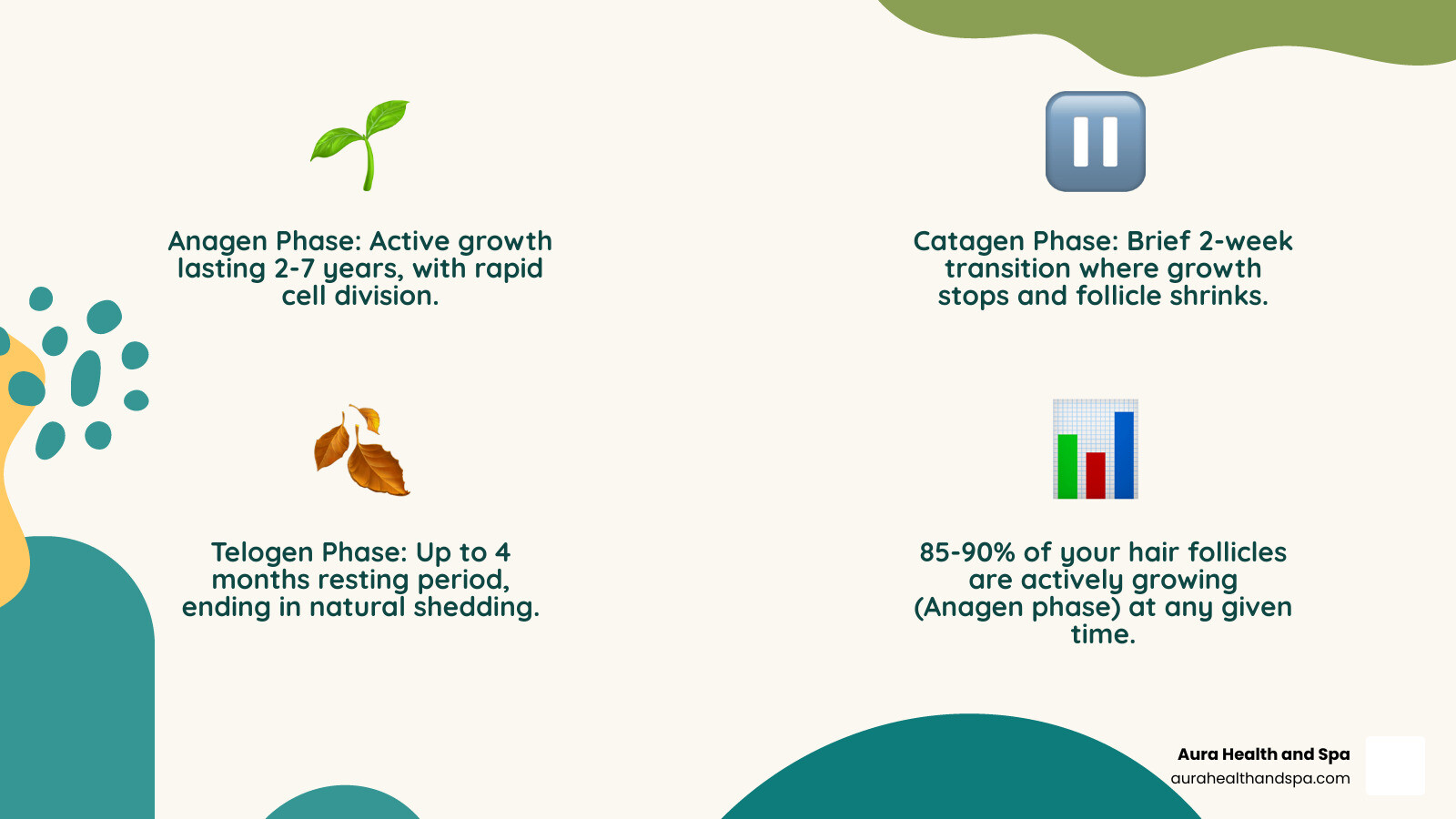
Think of your hair follicles as tiny factories beneath your skin’s surface. These tube-like structures produce hair, help repair skin, and form new blood vessels. Your hair grows in a three-phase cycle:
- Anagen Phase: The active growth period, lasting 2-7 years. About 85-90% of your follicles are in this phase.
- Catagen Phase: A brief two-week transition where growth stops.
- Telogen Phase: A resting period of up to four months, after which the hair sheds and the cycle restarts.
When discussing how to restore hair follicles, it’s crucial to know the difference between dormant and dead follicles. A dormant follicle has temporarily stopped producing hair but can be awakened. A dead follicle is scarred and has permanently lost its ability to grow hair. The encouraging news is that most thinning hair involves dormant follicles, meaning restoration is genuinely possible.
Common Causes of Hair Follicle Damage
To restore hair follicles, we must first understand what causes them to struggle. Identifying the trigger is key to effective treatment.
- Androgenetic Alopecia: Known as male- or female-pattern baldness, this is a genetic condition where the hormone DHT causes follicles to shrink.
- Telogen Effluvium: This is a sudden, widespread shedding often triggered by significant physical or emotional stress, such as severe illness, surgery, or thyroid problems. It’s usually temporary.
- Stress: Chronic stress can push more follicles into the resting (telogen) phase prematurely, leading to increased shedding.
- Hormonal Changes: Pregnancy and childbirth commonly cause temporary hair loss that typically resolves as hormone levels stabilize.
- Alopecia Areata: An autoimmune condition where the immune system attacks hair follicles, causing patchy hair loss. Corticosteroid injections are often effective.
- Traumatic Alopecia: This results from physical damage due to tight hairstyles, harsh chemical treatments, or scalp injuries.
- Nutritional Deficiencies: A lack of essential nutrients like iron, zinc, and B vitamins can impair follicle function. Conversely, too much vitamin A or E can also trigger hair loss.
Understanding How to Restore Hair Follicles After Damage
Your hair follicles are remarkably resilient and can often resume function after being inactive. Whether hair loss is temporary or permanent depends on the cause and extent of the damage. Conditions like telogen effluvium are usually temporary, with hair regrowing once the trigger is addressed. However, advanced androgenetic alopecia or severe scarring can cause permanent damage.
This is why early intervention is so critical. The sooner you address thinning, the better your chances of reactivating dormant follicles. A professional diagnosis is the crucial first step to creating an effective treatment plan for your unique situation.
Medical Treatments: How to Restore Hair Follicles Clinically
When you’re ready to take serious action on how to restore hair follicles, consulting a specialist is the next step. At Aura Health and Spa, with locations in Plymouth, Sterling Heights, and Ann Arbor, we create personalized treatment plans using scientifically-backed, FDA-approved treatments.
Medications for Hair Regrowth
Two medications are the gold standard for hair restoration:
- Minoxidil (Rogaine): This over-the-counter topical treatment (foam or liquid) works by pushing follicles into the active growth phase and increasing blood flow to the scalp. It’s a common starting point for both men and women.
- Finasteride: This prescription medication blocks DHT, the hormone responsible for shrinking follicles in androgenetic alopecia. It is highly effective, especially for men under 60. A 2020 review of clinical trials confirmed that combining oral finasteride with topical minoxidil yields superior results.
In-Office Procedures and Therapies
For more advanced solutions, several in-office procedures can make a remarkable difference.
- Platelet-Rich Plasma (PRP): We inject a concentration of your own blood platelets into the scalp. These growth factors extend the hair’s growth phase and awaken dormant follicles. Learn more about the benefits of PRP for hair loss recovery and understand the average treatment costs.
- Low-Level Laser Therapy (LLLT): This FDA-approved treatment uses specific light wavelengths to energize follicles at a cellular level, promoting growth. Explore our Folix Laser Technology to see how it could work for you.
- Microneedling: This procedure creates tiny, controlled injuries to the scalp, triggering a healing response that increases blood flow and activates stem cells. It also improves the absorption of topical treatments like minoxidil.
- Ultra+with DERIVE: This procedure pushes exosomes deep into the scalp, triggering a healing response that increases blood flow and activates stem cells.
Timelines, Expectations, and Potential Side Effects
Restoring hair follicles requires patience. With medications like minoxidil and finasteride, expect to wait at least six months for noticeable results, with full effects taking up to a year. Consistency is crucial; skipping treatments can set back your progress.
Potential side effects are possible. Minoxidil can cause scalp irritation or dryness. Finasteride may cause sexual side effects in a small percentage of men. PRP and microneedling are very safe, with temporary redness or swelling being the most common effects. Always discuss potential risks with your healthcare provider before starting any treatment.
Natural and Lifestyle Approaches to Revive Hair Follicles
Medical treatments are powerful, but a holistic approach to how to restore hair follicles often yields the most lasting results. This means treating your whole body, not just your scalp.
Think of your scalp as the soil for your hair. A healthy scalp environment is essential for growth. Simple, natural practices can transform your scalp into fertile ground for regrowth.

The Role of Diet and Supplements
Your hair is built from the nutrients you consume. A balanced diet rich in protein, whole grains, fruits, and vegetables provides the foundation for healthy hair. Key nutrients include:
- Iron: Deficiency is a common cause of hair loss, especially in women.
- Zinc: Supports hair tissue growth and repair.
- B Vitamins (especially Biotin): Help carry oxygen and nutrients to the scalp.
- Vitamin C: Aids iron absorption and collagen production.
- Vitamin D: Influences hair follicle cycling.
- Omega-3 & Omega-6 Fatty Acids: Nourish follicles.
Supplements like biotin, Viviscal, and red ginseng may support hair growth, but it’s important not to overdo it. Excessive intake of vitamins A and E can cause hair loss. Always consult a professional before starting a new supplement, as explained by Harvard Health’s look at the connection between vitamins and hair loss.
Natural Methods for How to Restore Hair Follicles at Home
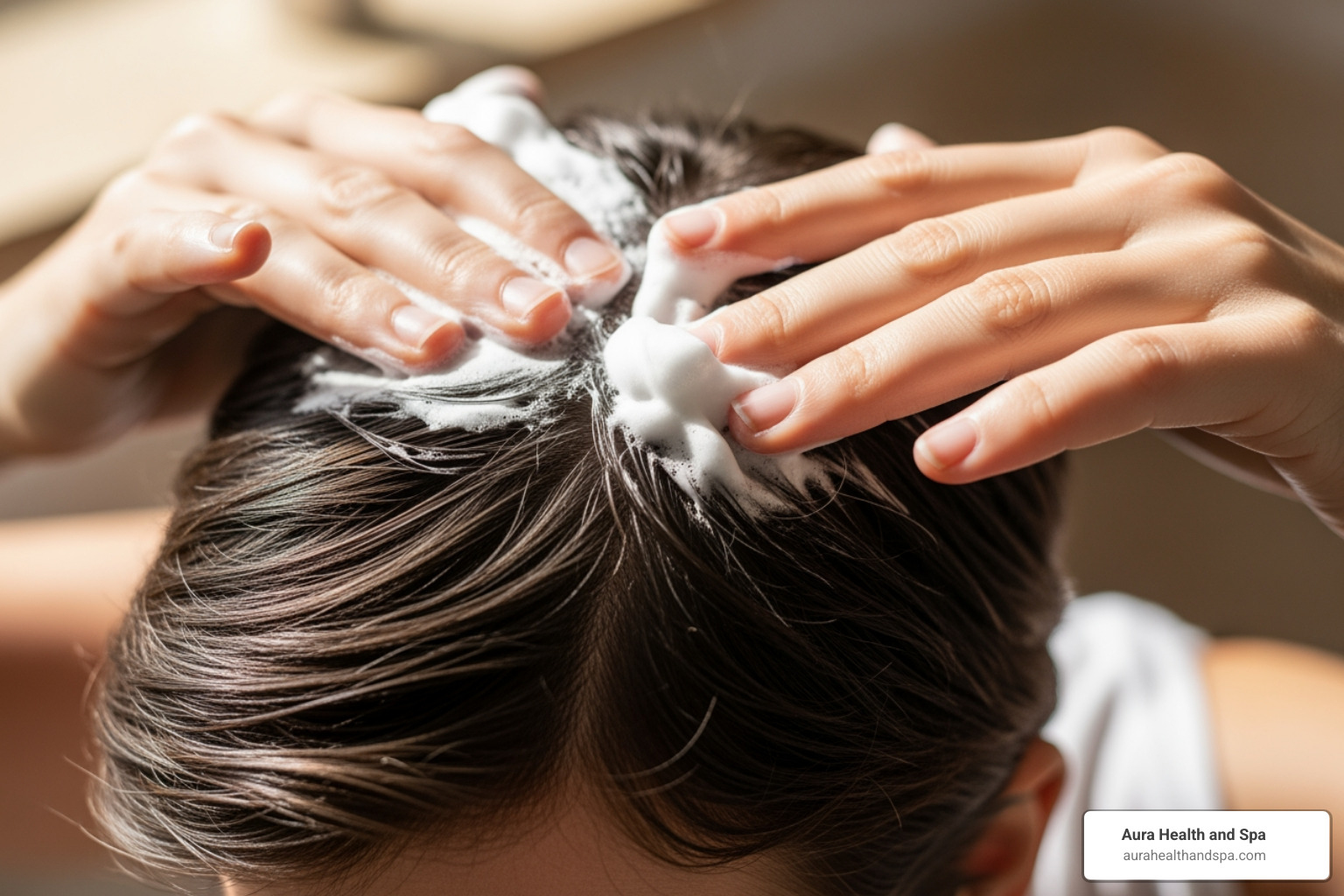
Scalp massage is a simple yet effective technique. Studies show that daily massage can increase hair thickness by improving blood circulation to the follicles. Use your fingertips to apply gentle pressure in small circles on thinning areas.

Frequently Asked Questions about Hair Follicle Restoration
When we talk with clients at our Plymouth, Sterling Heights, and Ann Arbor locations, we hear the same questions about how to restore hair follicles. Let’s walk through the answers.
Can dead hair follicles be reactivated?
This is where an important distinction offers hope. A dormant follicle is alive but resting, like a hibernating animal. It can be awakened with the right treatments. A dead follicle, however, has been replaced by scar tissue from inflammation or injury and cannot be revived. Fortunately, most hair loss involves dormant follicles, which can be reactivated. For areas with dead follicles, hair transplantation is an effective surgical option.
How long does it take to see results from hair restoration treatments?
Patience is key. Hair grows slowly, so results take time to become visible.
- Medications (Minoxidil/Finasteride): You may notice less shedding in 3-6 months, with more significant results appearing in 9-12 months.
- In-Office Procedures (PRP, LLLT): A similar timeline applies, with improvements often seen around the six-month mark after your initial series of treatments.
- Natural Methods: These approaches generally work more slowly, with results varying over 6-12 months.
Across all methods, consistency is the single most important factor for success.
When should I see a doctor for hair loss?
It’s always wise to seek professional guidance if you’re concerned, but you should definitely see a doctor in these situations:
- You experience sudden or patchy hair loss.
- Your hair loss is accompanied by pain, itching, redness, or scaling on the scalp.
- Over-the-counter treatments haven’t worked after several months of consistent use.
- You suspect your hair loss is linked to an underlying health issue like a thyroid disorder or autoimmune condition.
A doctor can perform tests to pinpoint the cause of your hair loss and recommend the most effective treatment plan. The American Academy of Dermatology offers additional tips for managing hair loss that you may find helpful.
Conclusion: Your Path to Healthier, Fuller Hair
If you’ve been watching your hair thin, know this: you have more options than you might think. We’ve explored the science behind why follicles stop producing hair and, more importantly, the proven ways to bring them back to life.
Medical treatments like minoxidil, finasteride, and PRP therapy are clinically validated approaches that have helped countless people. At the same time, how to restore hair follicles isn’t just about what happens in a doctor’s office. Natural approaches—nourishing your body, massaging your scalp, and managing stress—create the healthy environment your follicles need to thrive.
This is where our philosophy at Aura Health and Spa comes into play. We believe true wellness comes from addressing the whole person. By combining medical expertise with holistic practices like energy work and meditation, we help create more profound and lasting results.
Your hair restoration journey is unique. A personalized plan that identifies and addresses your specific cause of hair loss is essential. Most inactive follicles aren’t dead; they’re sleeping. With the right combination of treatments and support, many can be awakened. The key is starting now.
Here in Plymouth, Sterling Heights, and Ann Arbor, Michigan, we’re ready to walk this path with you. We’ll help you understand your options and support you with both clinical expertise and compassionate care.
If you’re ready to take the next step toward healthier, fuller hair, we’d love to help. Find more info about our holistic wellness services and see how we can support your journey to feeling like yourself again—inside and out.